AI Insight
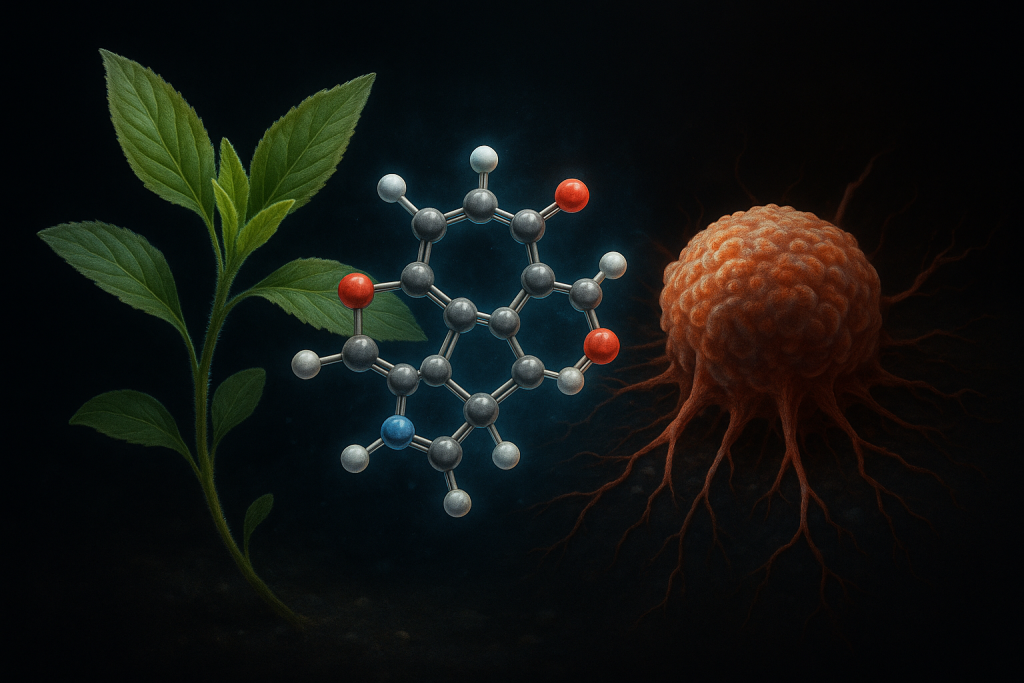
Researchers at the University of British Columbia Okanagan have identified two enzymes responsible for the biosynthesis of mitraphylline, a rare alkaloid compound found in tropical plants such as kratom and cat's claw. These enzymes work in concert to construct the molecule's distinctive stereochemically complex structure, which had previously resisted biochemical explanation. The discovery resolves a longstanding question in natural product chemistry regarding how this structurally unusual compound is assembled within living plant tissue.
Why it matters
Understanding the enzymatic pathway behind mitraphylline production opens the door to biosynthetic or semi-synthetic manufacturing, which could make this compound available in quantities large enough for rigorous preclinical and clinical testing of its reported anti-cancer properties.
Understand the Science
Scientists at UBC Okanagan have uncovered how plants produce mitraphylline, a rare natural compound with promising anti cancer potential. The team identified two enzymes that work together to build the molecule’s unusual twisted structure, solving a mystery that had puzzled researchers for years. Because mitraphylline appears only in tiny amounts in tropical plants like kratom and cat’s claw, the discovery could make it far easier to produce sustainably in the future.
Source: A rare cancer-fighting plant compound has been decoded