AI Insight
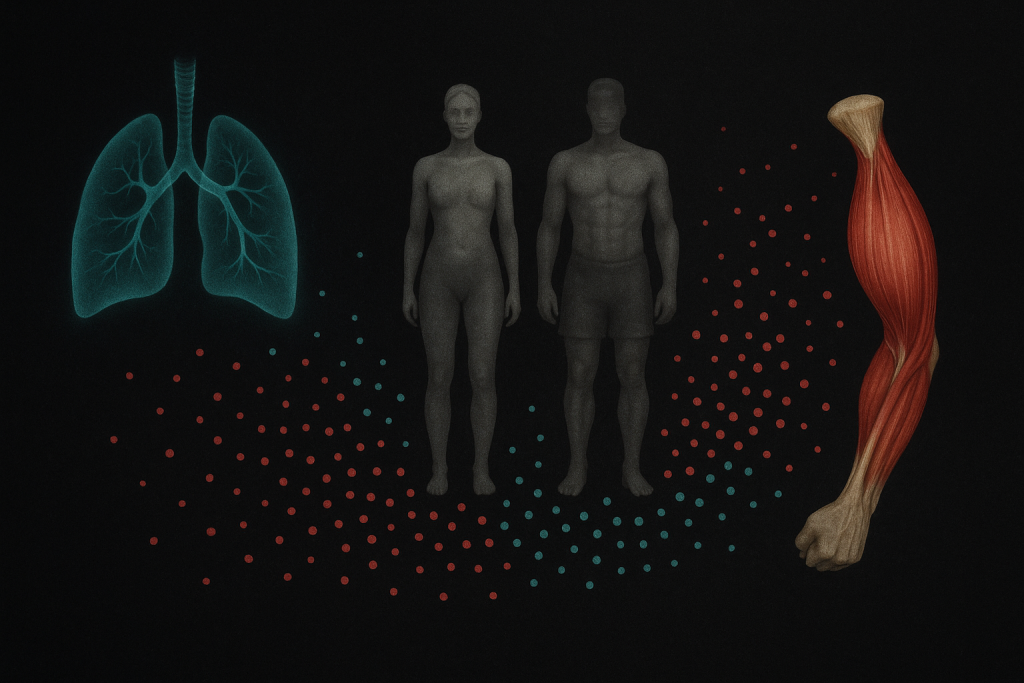
A cross-sectional study of 179 Norwegian adults aged 20 to 59 with a diagnosed substance use disorder found that this population exhibits significantly lower physical fitness than healthy age-matched controls. Specifically, participants showed approximately 15% lower maximal oxygen uptake, 10% lower maximal oxygen pulse, and 30% lower maximal leg strength compared to established Norwegian and American reference values. These deficits were consistent across all age groups and both sexes, suggesting a broad and systematic pattern of physical deconditioning in people with substance use disorders.
Why it matters
Reduced aerobic capacity and muscular strength are well-established predictors of lifestyle-related disease and premature mortality, so these findings help explain the shorter life expectancy observed in people with substance use disorders. The results also highlight a clear need for targeted physical fitness interventions as part of treatment programs for this patient group.
Understand the Science
by Henrik Loe, Grete Flemmen, Ulrik Wisløff, Helle W. Andersson, Mats P. Mosti
Research has shown a robust inverse association between maximal aerobic capacity and muscular strength, and lifestyle related diseases and mortality. People with a substance use disorder have a higher prevalence of lifestyle-related diseases and a shorter life expectancy than the general population. There is a paucity in the literature of normative aerobic capacity and muscular strength variables in people with a substance use disorder. The main purpose of this study was to contribute to establish reference values on these key variables for this patient group, and to compare these data to normative values consisting of healthy age matched controls. A total of 179 men and women with diagnosed substance use disorder according to International Classification of Diseases-10 performed a maximal cardiopulmonary exercise test on a treadmill recording maximal oxygen uptake and maximal oxygen pulse, along with a muscular strength test in a hack squat machine assessing maximal leg strength. Patients with substance use disorder generally demonstrated lower- maximal oxygen uptake (⁓ 15%), maximal oxygen pulse (⁓ 10%) and muscular strength (⁓ 30%) across all age groups compared to comprehensive Norwegian and American reference materials of healthy age-matched populations. This could contribute to explain the higher prevalence of lifestyle related diseases and reduced longevity in this patient group.