AI Insight
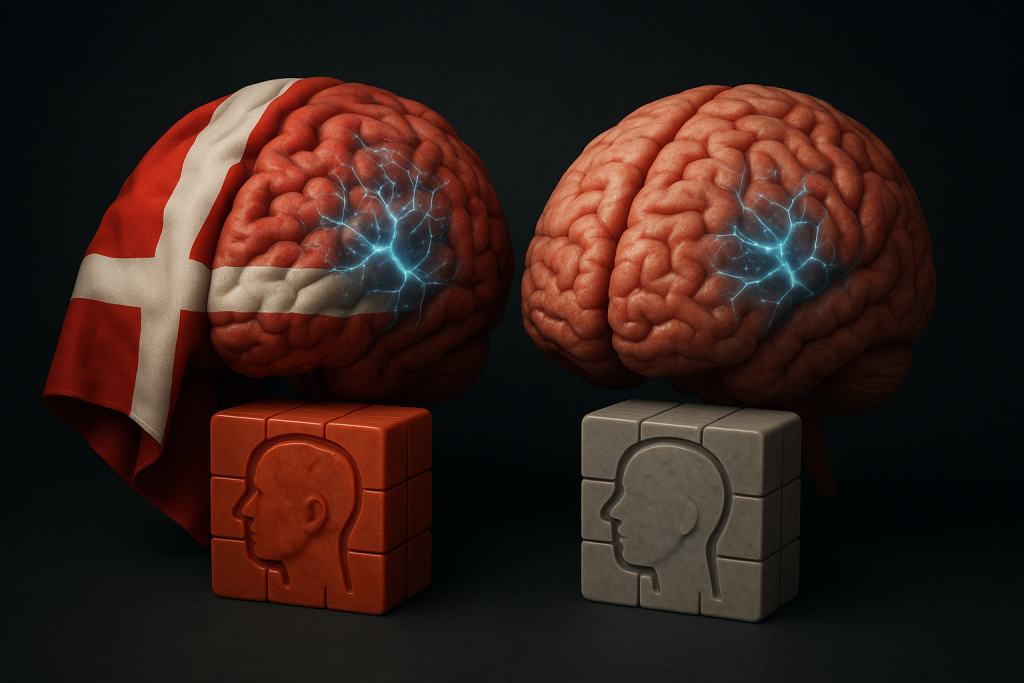
A study from the University of Copenhagen published in the Journal of the International Neuropsychological Society found that the Wechsler Adult Intelligence Scale (WAIS), commonly used in Denmark for intelligence testing, may systematically underestimate the cognitive abilities of bilingual individuals. This bias appears even when bilingual test-takers are fluent in Danish and have completed their entire education in Denmark. The research suggests the test may not adequately account for the cognitive differences associated with bilingualism.
Why it matters
The findings have significant implications for clinical diagnostics, educational assessments, and forensic psychiatry in Denmark and potentially other countries using WAIS. Bilingual individuals may be misdiagnosed or incorrectly placed in educational or social service programs due to test results that fail to accurately reflect their true cognitive abilities.
When psychologists in Denmark test intelligence, the Wechsler Adult Intelligence Scale (WAIS) is often the tool of choice. The test is used in everything from clinical and educational settings to forensic psychiatry and social services. But according to a new study published in the Journal of the International Neuropsychological Society from the University of Copenhagen, the test can paint a skewed picture of the abilities of bilingual individuals—even when they speak fluent Danish and have completed their entire education in this country.
Source: Danish intelligence test may underestimate the abilities of bilingual young people