AI Insight
Carbon Brief hosted a panel discussion analyzing COP31 in Antalya, Turkey, which became the longest UN climate conference in history, ending nearly 50 hours past its scheduled close. The summit saw mixed outcomes, with the "Antalya pact" proposed by the Turkish-Australian presidency being rejected by the EU, UK, and climate-vulnerable nations, though some progress was made on the adaptation fund and various action agenda items. Carbon Brief journalists who covered the summit addressed questions about climate finance, China's role, just transition mechanisms, and potential COP reforms.
Why it matters
This analysis provides comprehensive insight into the outcomes and challenges of a critical international climate negotiation, highlighting ongoing difficulties in achieving global consensus on climate action and finance. The extended nature of the talks and rejection of key proposals signal continued tensions in international climate diplomacy.
Following the close of COP31 in Antalya, Turkey, Carbon Brief’s journalists answered a range of questions in a CB Live panel discussion.
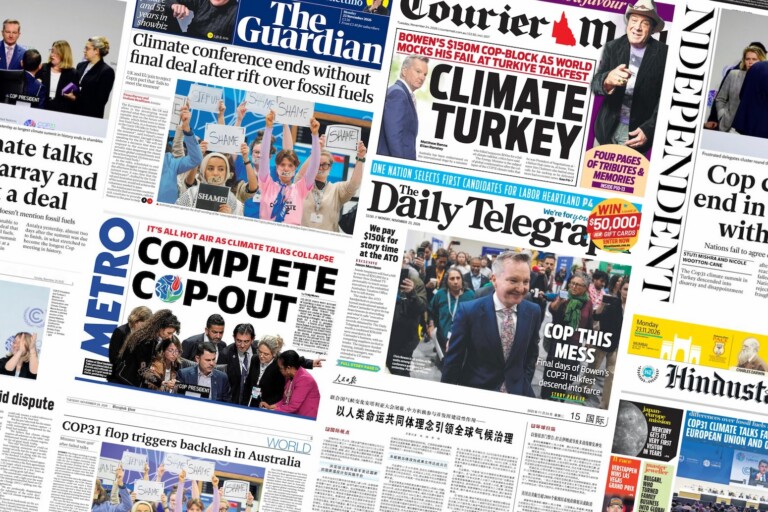
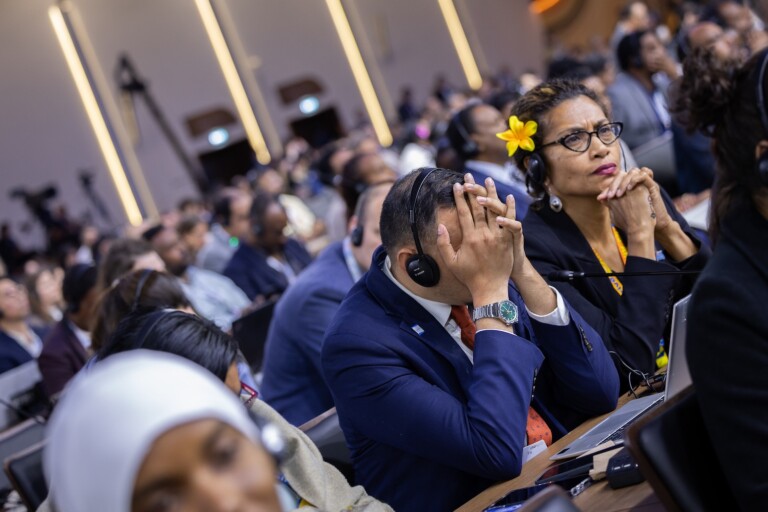
COP31 came to a dramatic conclusion nearly 50 hours after its scheduled close – making it the longest COP in history.
Less than 24 hours later, Carbon Brief published its 21,000-word summary, capturing everything that happened in the negotiations, the cover decision and more.
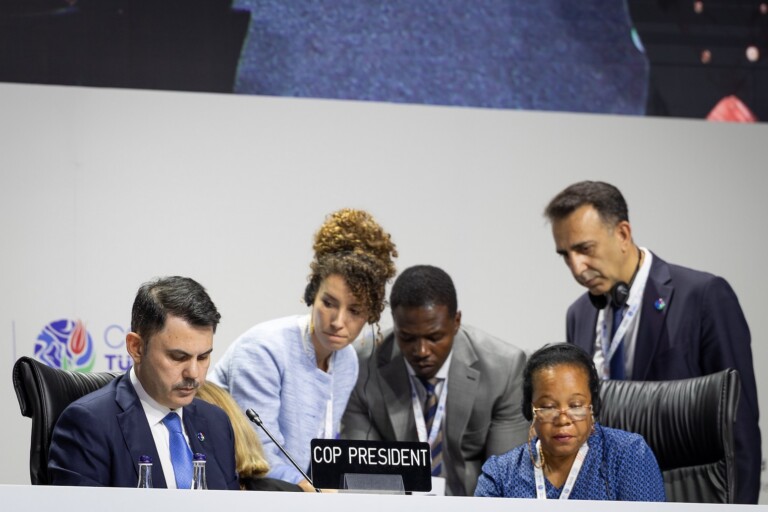
This includes the “Antalya pact”, proposed by the joint Turkish-Australian presidency, being rejected in the final hours of the summit by the EU, the UK and several climate-vulnerable nations.
There was some progress at COP31, including an agreement on the adaptation fund, as well as a raft of announcements within the “action agenda”.
Carbon Brief journalists – who followed every detail of the summit on the ground in Antalya and remotely answered a range of questions, including those sent ahead of time by CB+ members on CB Connect.
These covered climate finance, China, the “just transition mechanism”, the potential for COP reform and much more.
The discussion was moderated by Carbon Brief’s senior policy editor Dr Simon Evans and featured the following journalists:
- Daisy Dunne, associate editor
- Josh Gabbatiss, associate editor
- Aruna Chandrasekhar, policy journalist
- Molly Lempriere, policy section editor
- Anika Patel, China section editor
- Dr Giuliana Viglione, associate editor
A recording of the CB Live (below) is now available to watch on YouTube.
The post CB Live: Carbon Brief journalists discuss key COP31 outcomes appeared first on Carbon Brief.
Source: CB Live: Carbon Brief journalists discuss key COP31 outcomes