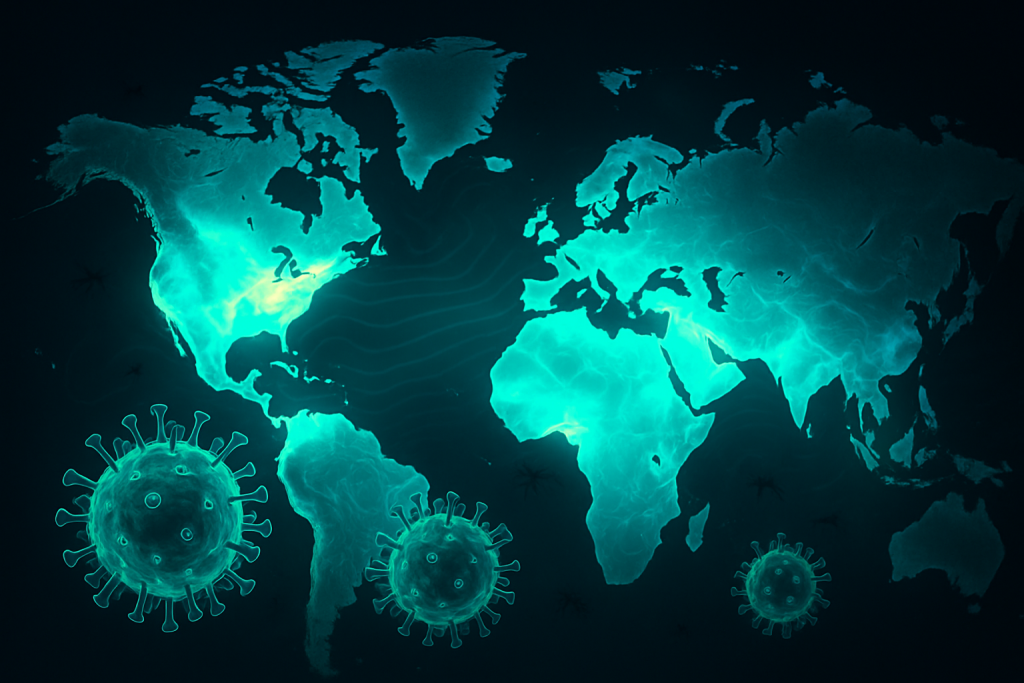
Image generated by AI
AI Insight
Chikungunya virus, a neglected tropical disease transmitted by Aedes mosquitoes, may expand its geographic range to North America and Europe due to climate change. The virus causes debilitating symptoms including high fever, severe joint pain, headache, muscle aches, and rash. Climate shifts are expected to create suitable conditions for the disease-carrying mosquito vectors in previously unaffected temperate regions.
Why it matters
This projection suggests that regions previously protected by cooler climates may need to develop surveillance systems and public health infrastructure to detect and respond to chikungunya outbreaks. The expansion of tropical disease vectors into temperate zones represents a significant public health challenge requiring preventive planning and mosquito control strategies.
Understand the Science
Chikungunya (“to become contorted” in the Kimakonde language, named after the characteristic joint ache) is classified as one of the neglected tropical diseases by the World Health Organization. It’s caused by a virus spread by Aedes mosquitoes. Symptoms include high fever, muscle and back pain, headache, fatigue, nausea, and skin rash.
Source: North America and Europe could become hotspots for chikungunya virus due to climate change