AI Insight
The DJI Lito 1 is an entry-level camera drone weighing 249g that features a 48MP 1/2-inch CMOS sensor capable of recording 4K video at 100 FPS. Its standout feature is 5-lux omnidirectional obstacle sensing using two sensors, providing 360-degree collision avoidance previously only available on more expensive models. The drone includes intelligent flight modes like ActiveTrack and QuickShots, offers up to 36 minutes of flight time, and comes with the basic DJI RC-N3 controller that uses a smartphone for display.
Why it matters
This drone makes advanced safety features accessible to beginner pilots at an entry-level price point, potentially reducing crashes and making aerial photography more approachable for novices. The sub-250g weight classification also means less regulatory burden in many jurisdictions, expanding access to drone technology.
Understand the Science
Camera: 48MP 1/2-inch CMOS
Video resolution: Up to 4K
Frame rates: 4K 100 FPS / 2.7K vertical up to 60 FPS / FHD up to 100 FPS
Battery: 2590 mAh up to 36 minutes flight
Charger type: USB-C cable/battery charging hub
Modes: Cine, Normal, Sport
Video transmission range: 9.3 miles (IC) / 4.97 miles (CE/SRRC/MIC)
Dimensions: : Folded 5.67 x 3.70 x 2.44 in / 144 x 94 x 62 mm / Unfolded 7.20 x 9.88 x 3.11 in / 183 x 251 x 79 mm
Weight: 8.78 oz / 249 g
The drone market is hotter than ever, with newbie and slightly more experienced drone pilots now able to enjoy some seriously impressive features on low-cost drones. The new DJI Lito series replaces the older Mini series, with the exception of the DJI Mini 5 Pro, which is DJI’s flagship sub-250 g drone. There are two models available and in this review, we are going to take a look at the DJI Lito 1.
The Lito 1 may be the entry-level Lito model, but it still comes with a feature we’ve been waiting to see on a beginner drone for ages – 5-lux omnidirectional obstacle sensing, otherwise known as collision avoidance. This is a feature that, up until now, has only been available on more advanced and expensive drones, despite being a feature that beginners can truly benefit from.
There are also intelligent flight modes, including ActiveTrack, QuickShots, MasterShots, Hyperlapse, and Panorama, that help you to capture professional-looking photos and videos at the touch of a button. The subject tracking modes are particularly impressive, especially for an entry-level drone, thanks to the omnidirectional obstacle sensing.
The Lito 1 features a 48MP 1/2-inch CMOS sensor with video capture available up to 4K at 100 FPS and photos in JPEG and Raw format. Video can only be captured in the normal profile, which is perfect for beginners because it can be used straight out of camera with no need for color grading.
DJI Lito 1: Design
- Sub-250 g drone
- Compact folding design
- Respectable battery life
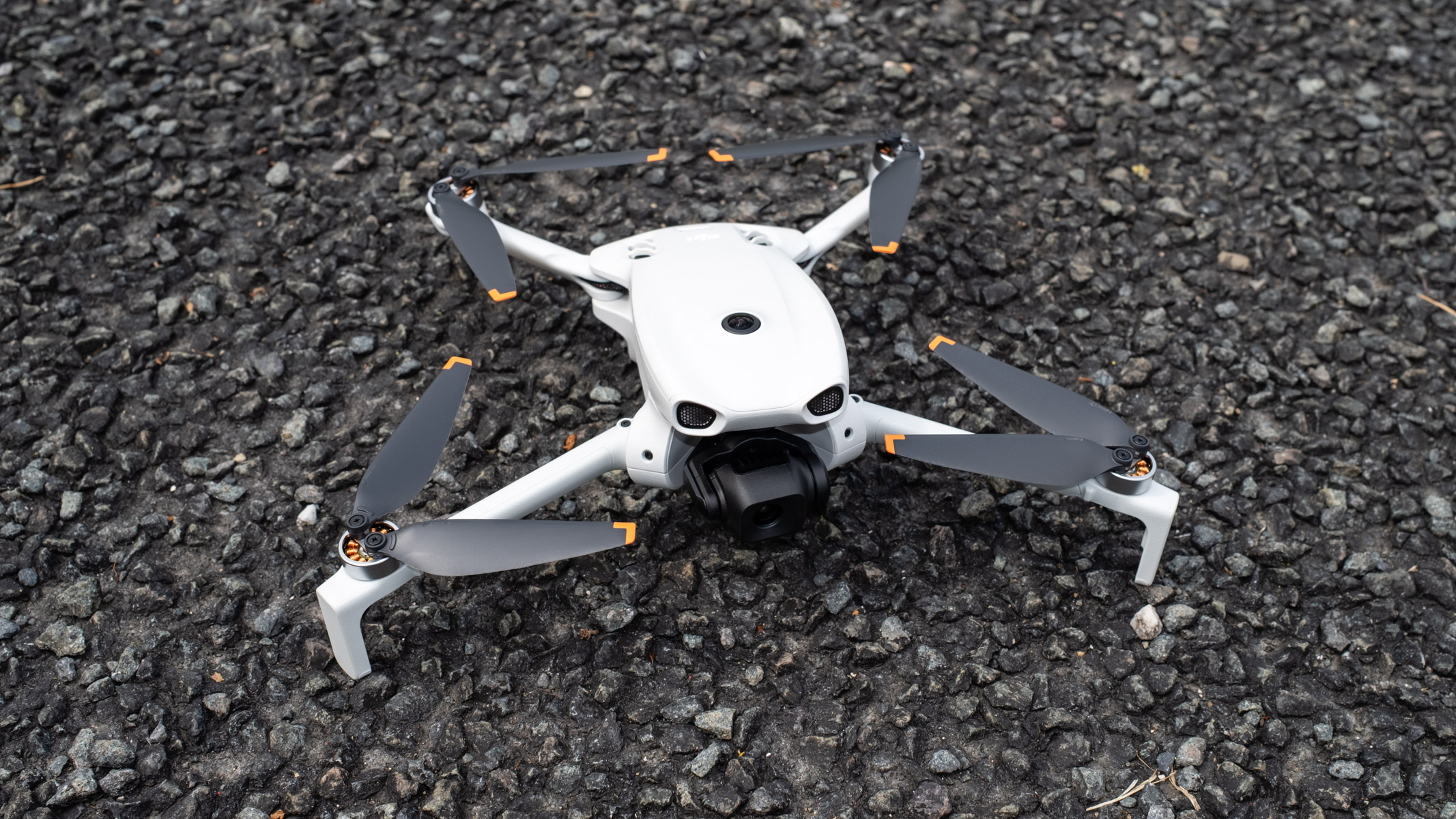
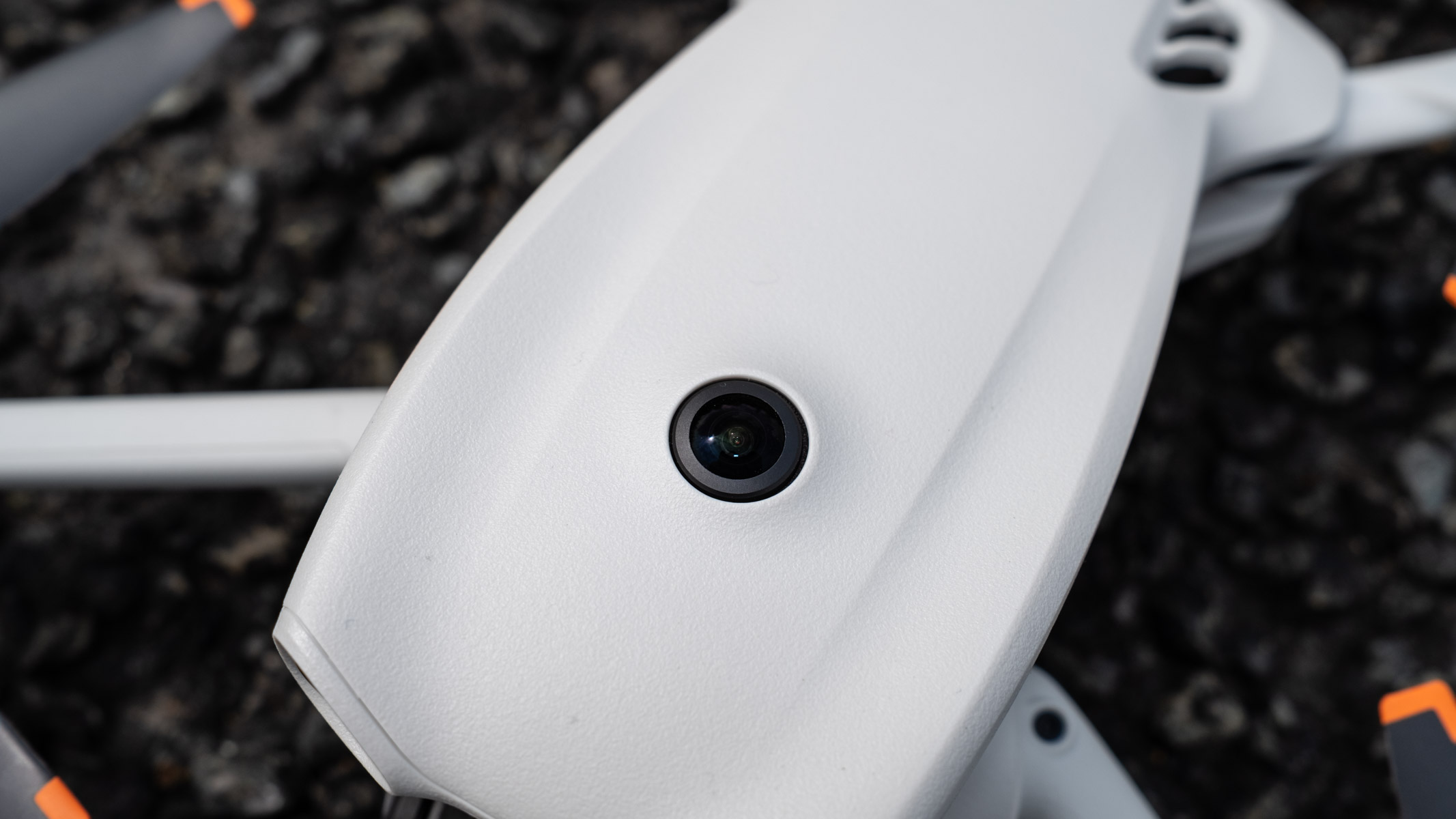
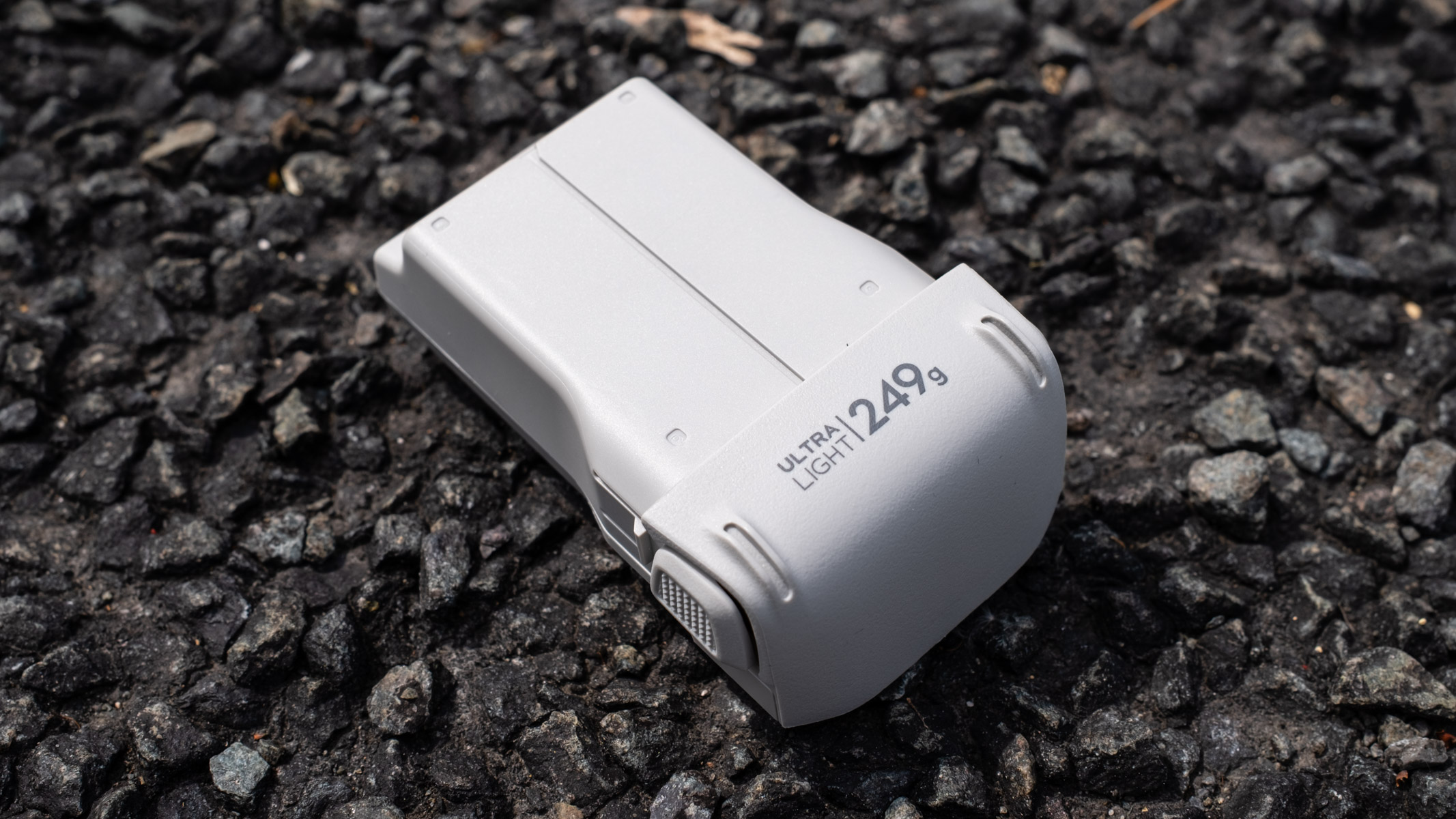
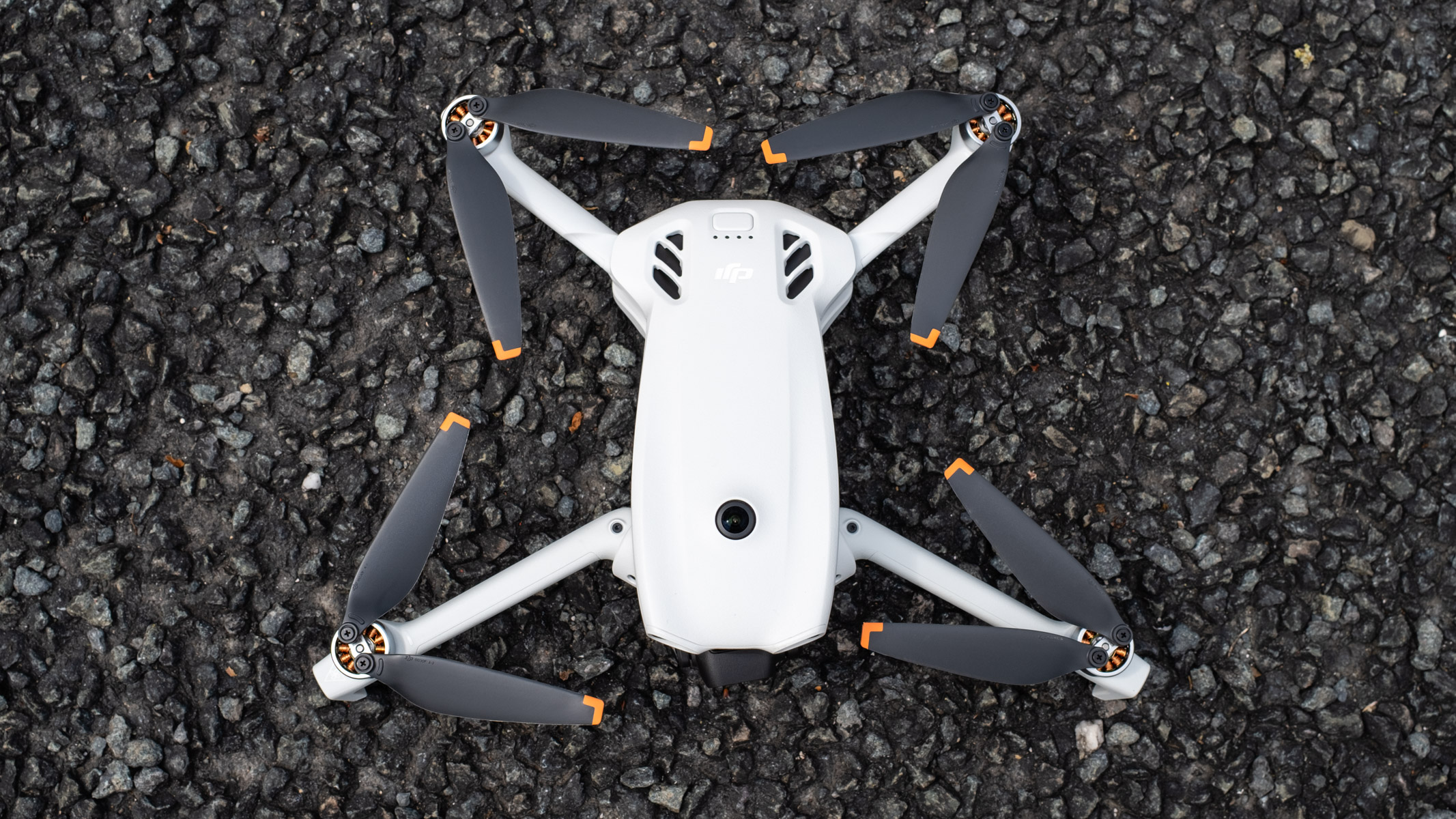
The Lito 1 is a small, lightweight camera drone that looks much like other DJI ‘mini’ drones, with a folding design that makes it even more compact for travel and storage. At 8.78 oz / 249 g, this regulator-friendly drone is just 5.67 x 3.70 x 2.44 in / 144 x 94 x 62 mm when folded, and 7.20 x 9.88 x 3.11 in / 183 x 251 x 79 mm unfolded.
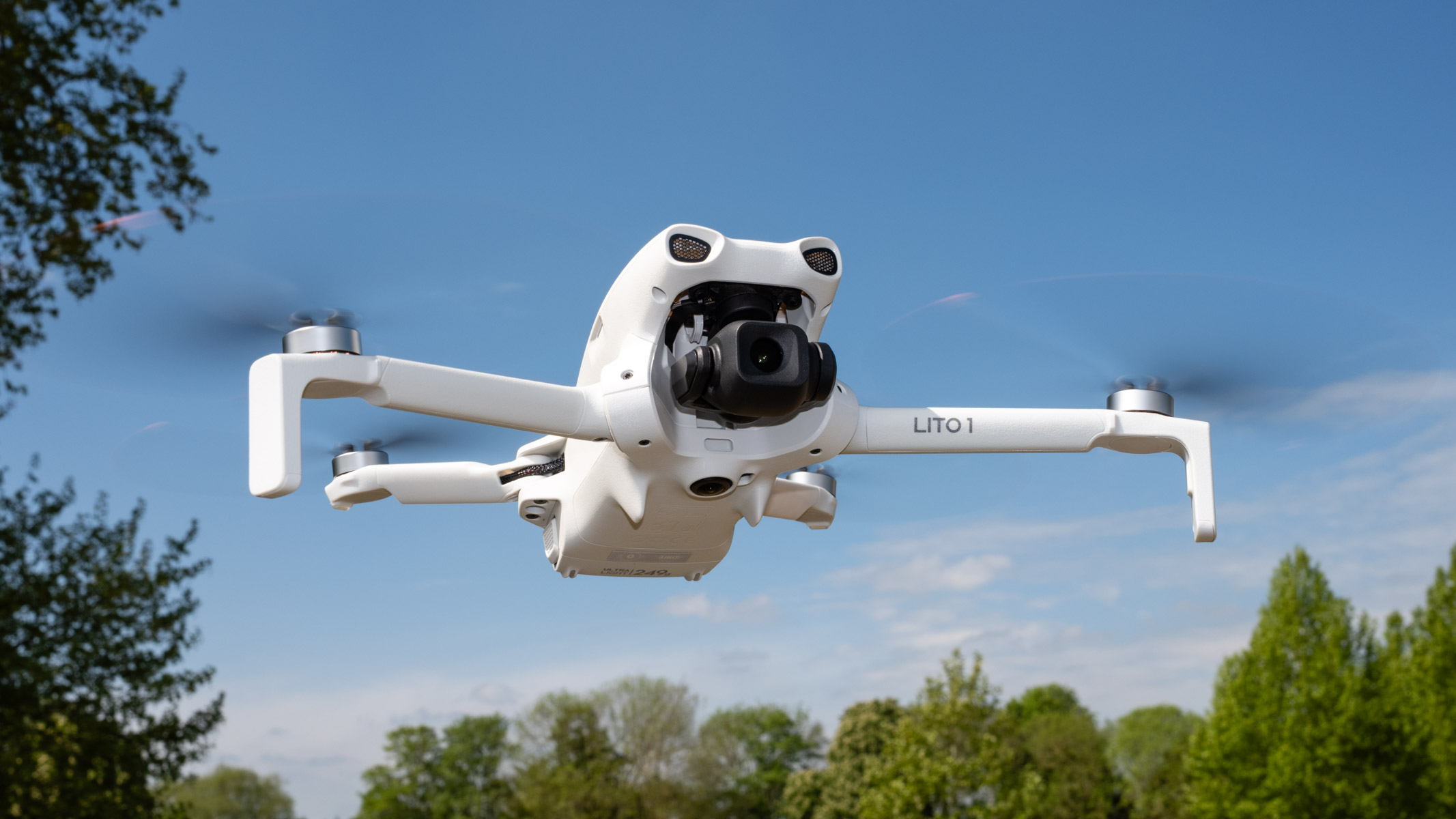
In terms of overall design, it won’t win any innovation awards with its typically DJI light gray build, but it’s undoubtedly a functional drone with great build quality. One of the main visual differences between the Lito 1 and the DJI Mini 4K, for example, is that the Lito 1 has one 5-Lux omnidirectional obstacle sensor on the top of the drone, and another on the bottom.
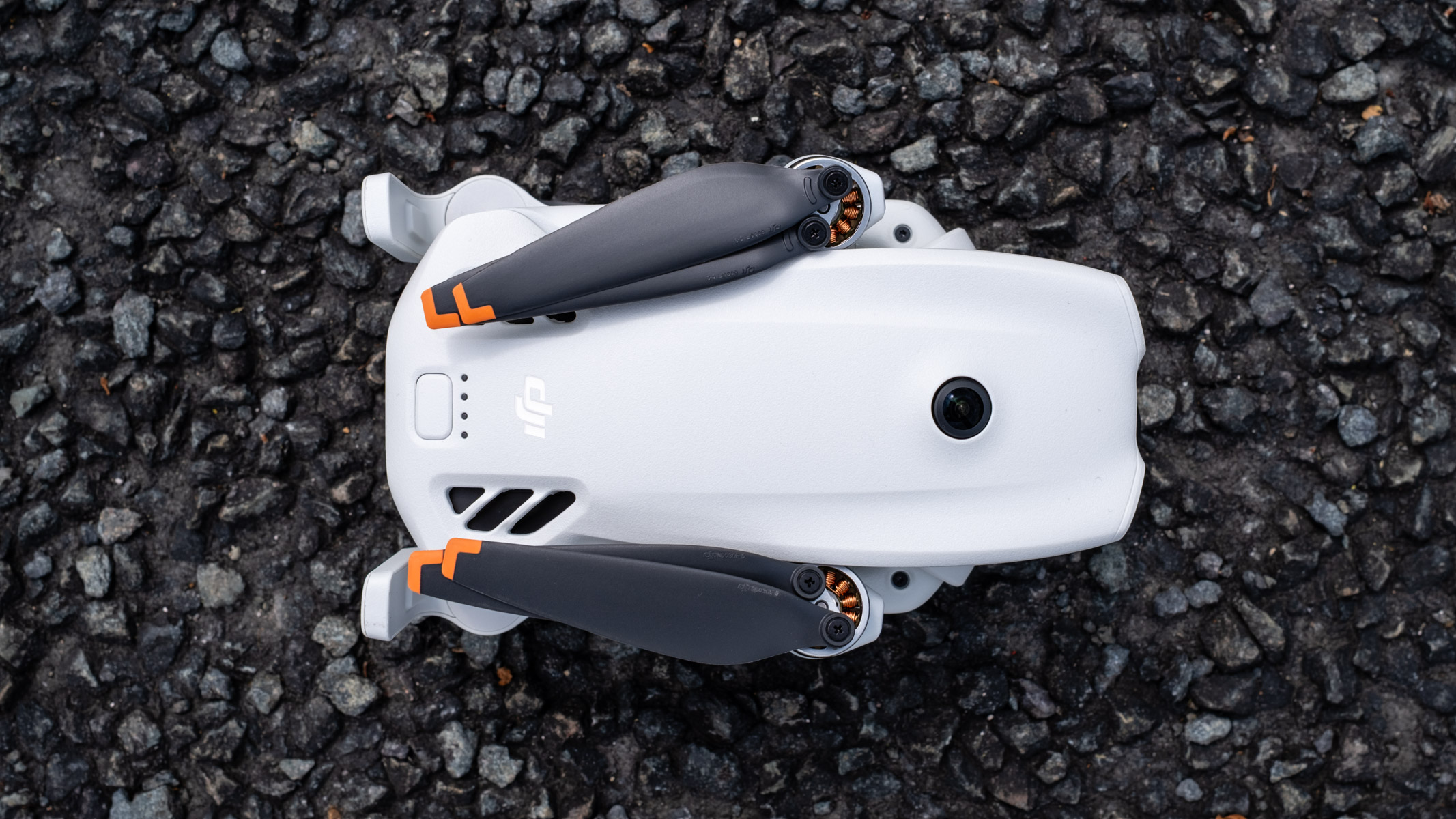
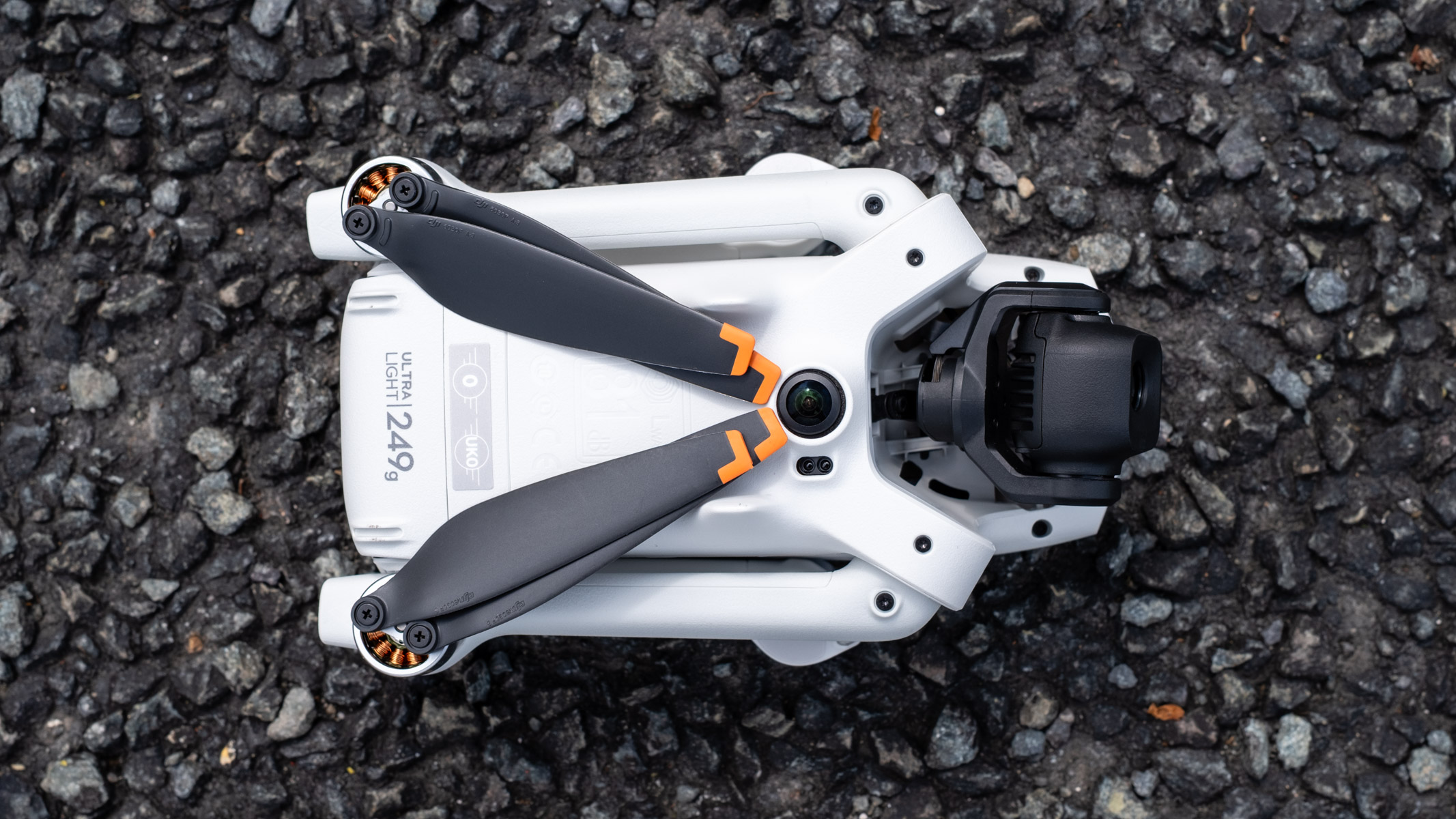
These two sensors provide highly effective 360-degree obstacle avoidance that will give beginner drone pilots confidence, but you can never fully rely on them to avoid obstacles. Omnidirectional obstacle sensing is fantastic, but it’s no substitute for flying with care and attention. You can also change the way it behaves to suit different situations.
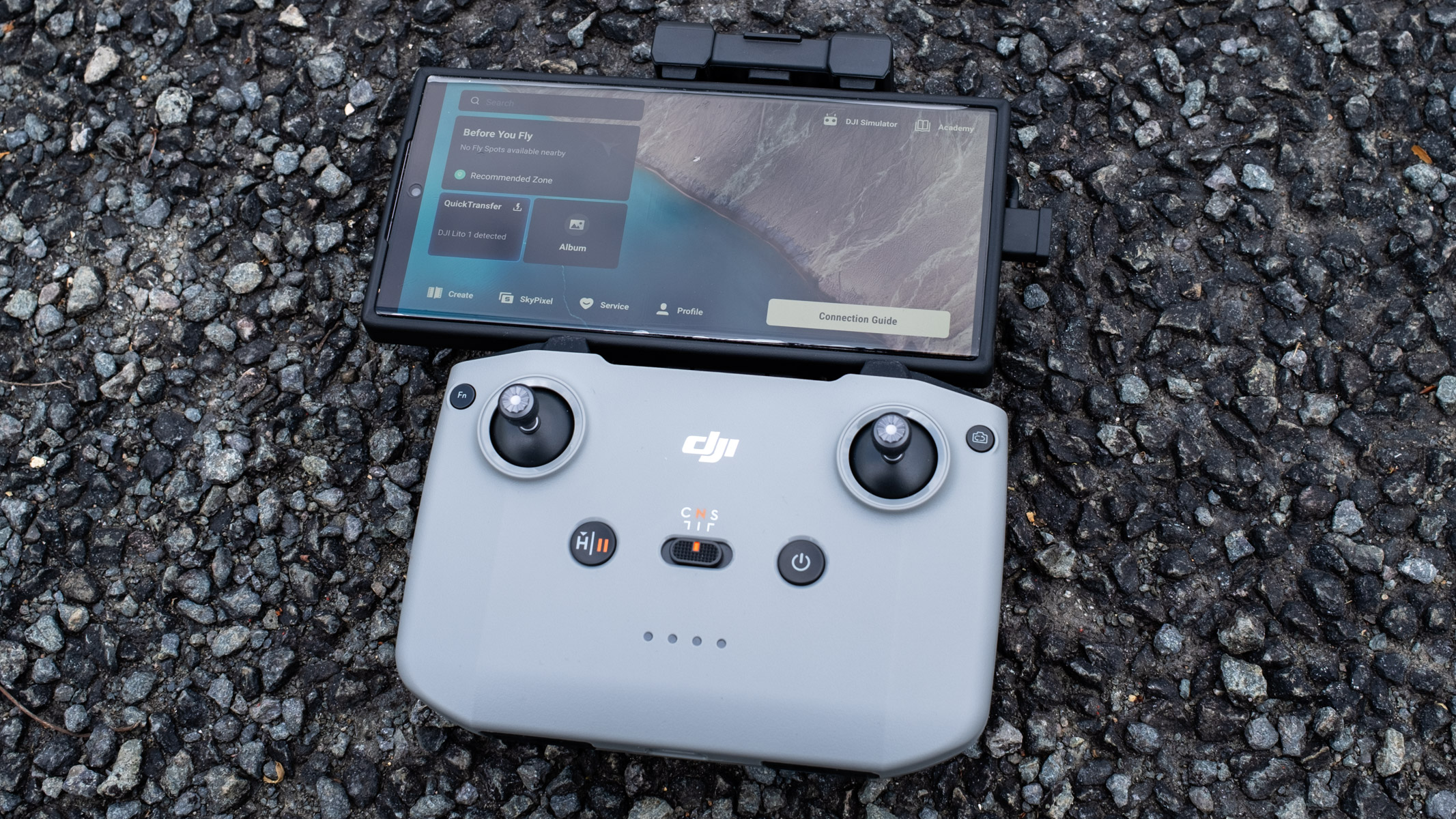
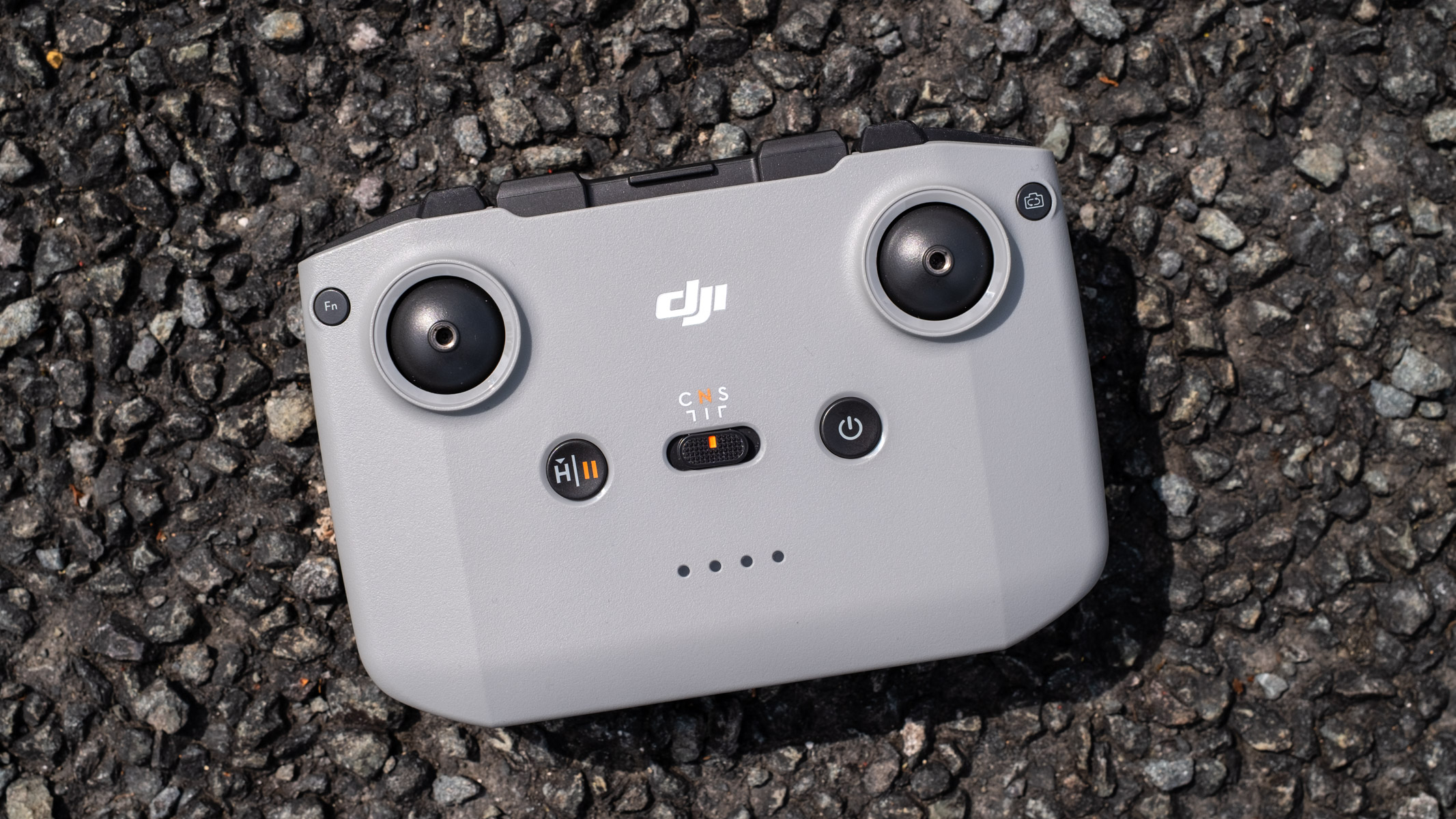
The Lito 1 comes with the DJI RC-N3 controller in the Fly More Combo. This is the most basic DJI controller, where you attach your phone to a telescopic phone holder at the top to give you a camera view and access to settings.
It’s not as convenient as a smart controller but it does its job well and helps to keep costs down. The DJI RC-N3 has a decent battery life and is comfortable to hold, with detachable control sticks that stow away at the bottom of the controller when not in use.
Battery life of the drone itself is great but the claimed 36 minutes of flight time doesn’t quite translate to reality. Flight times came in at around 24 minutes before the battery reached around 16% and ‘Return to Home’ was initiated. This is still great for small 2590 mAh batteries and plenty of time if you have three batteries from the ‘Fly More Bundle’ to offer over an hour of flight time.
DJI Lito 1: Functionality
- Quick takeoff
- No internal storage
- Non-GPS RTH
The Lito 1 is a nimble drone capable of some respectable flight speeds, with a maximum speed of 40.27 mph in sport mode and 26.84 mph in normal mode and when tracking subjects. Cine mode is also available with reduced speed and less sensitive controls to assist pilots when capturing cinematic footage. Wind resistance is also great at 23.94 mph, so it will only be on the most windy days when you can’t fly.
Controls are responsive, and you undoubtedly enjoy a robust DJI flight experience with the drone. Plus, video transmission is faultless, and there were no issues whatsoever during testing. Then there are the intelligent flight modes, which include ActiveTrack, QuickShots, MasterShots, Hyperlapse, and Panorama; these all help beginners and experienced pilots alike to capture professional-looking photos and videos at the touch of a button.
The jewel in the crown feature has to be the Omnidirectional Obstacle Sensing because this is the first time it’s been available on a beginner drone model, not to mention one that is so competitively priced. There are several modes available, including Brake and Bypass, so you can select the option that suits the flying situation, and despite having only two sensors – one on the top and one on the bottom of the drone – it does a fantastic job. The subject-tracking modes are impressive, thanks to omnidirectional obstacle sensing and selecting a subject to track is incredibly easy.
Other useful features include Quick Takeoff and Return to Home (RTH). The former allows you to take off before satellite signals have been fixed for GPS, which is useful in more built-up locations.
RTH is the feature pilots know and appreciate, but where it differs slightly from the Lito 1 is that during the latter stages of the RTH process, the drone tracks its take-off route, so a strong GPS connection isn’t essential. This wasn’t tested because there were always strong signals, but on paper, it sounds great.
One missing feature is internal storage, so you’ll have to rely on using a microSD card to save your photos and videos. It’s certainly not a dealbreaker and is typical of beginner models. It does, however, offer Wi‑Fi 6 QuickTransfer at up to 50 MB/s, so you can transfer imagery to your smartphone using the DJI Fly app quickly.
DJI Lito 1: Performance
- 1/2-inch 48MP CMOS sensor
- Up to 4K 100 FPS video
- Raw & JPEG photos
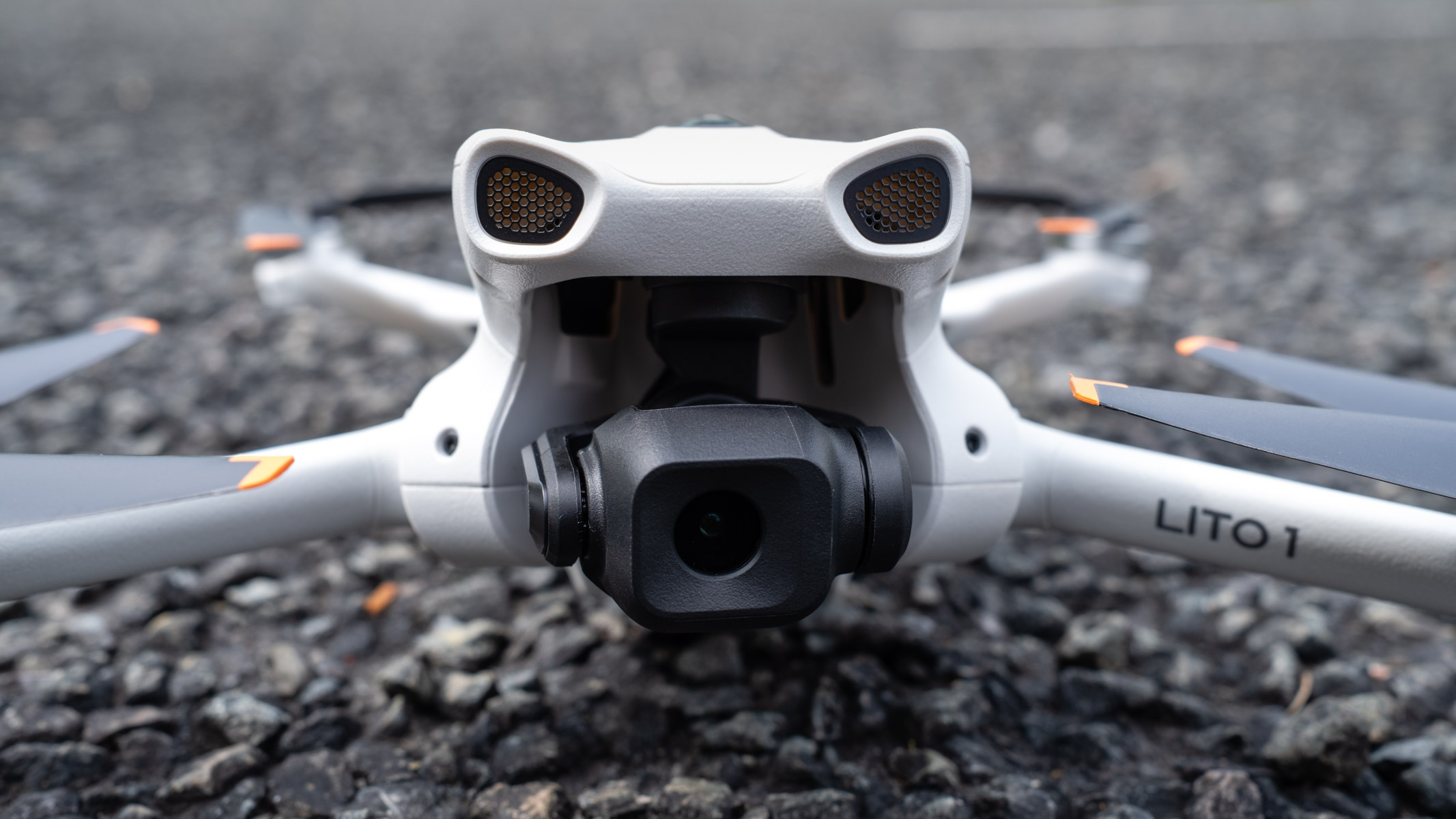
The Lito 1 is the absolute beginner model in the new Lito line-up, and as such it has the smaller sensor of the two available models. The camera features a 1/2-inch 48MP CMOS sensor and the lens offers an equivalent focal length of 26.2mm. The aperture is fixed at f/1.8 while focus is available from 4m to infinity.
Image quality is impressive overall, despite the small sensor, and much better than many drones at a similar price point with a small sensor. So, despite this being a beginner model, there’s no doubt that the Lito 1 will keep most beginner pilots happy for years to come before the desire to upgrade to a more advanced model takes hold.





Photos are typically sharpest in the central area of the frame with some fall-off towards the edges of the frame. Video quality is better, as is usually the case, but this is due to using fewer sensor pixels and the centre of the lens. Not to mention, video is much more forgiving than photos because the image is moving.
Photos can be captured in Raw and/or JPEG using shooting modes including Single Shot, Burst Shooting, Automatic Exposure Bracketing (AEB) and Timed shots with delays between two and 60 seconds. This is exactly what you need for shooting photos with a drone.
Please note the footage below was shot in 4K, but our video player only plays in HD.
Video can be captured at up to 4K 100 FPS, 2.7K vertical up to 60 FPS and FHD up to 100 FPS. Video can only be captured in the Normal color profile for straight out of camera footage, so there’s no need for color grading.
The main downside for more advanced users is that the Lito 1 doesn’t capture video in the 10-bit D-Log M color profile, but if you need this, the slightly higher-spec Lito X1 is the model for you.
DJI Lito 1: Price
The DJI Lito 1 is competitively priced at just £429 for the Fly More Combo, or £299 for the drone and a battery if you already own a DJI RC-N3 controller. The Fly More Combo includes three batteries, a charging hub, a carry case, and accessories, along with the drone and the controller. At the time of writing, the drone is unfortunately unavailable in the United States.
This is a great price for an entry-level drone in a Fly More Combo with all those useful accessories. It’s slightly more expensive than some other entry-level drones, but the main advantage of the Lito 1 is that it has Obstacle Sensing.
Should you buy the DJI Lito 1?
If you’re an absolute beginner looking for a solid drone that will meet your needs for some time to come, the DJI Lito 1 is one of the most attractive drones available. If you’d like the same drone but with some additional features, the DJI Lito X1 is a more advanced version.
Flight performance is excellent, and the omnidirectional obstacle sensing is incredibly useful for beginners because it can seriously reduce the risk of crashing. Image quality is also impressive considering the size of the camera sensor, although it’s not a drone that you’d choose to use professionally.
Alongside the omnidirectional obstacle sensing, another impressive and indeed useful feature is subject tracking, which performs incredibly well. This is a feature you don’t often see in entry-level drones, and when you do, it doesn’t work well, but with the Lito 1, the performance can’t be faulted.
If this drone isn’t for you
The DJI Lito X1 is the higher spec model of the two new Lito models and features a larger sensor alongside forward-facing LiDAR for improved obstacle sensing. It can also capture video in the flat D-Log M color profile.
If you’d like the most advanced sub-250 g drone available, the DJI Mini 5 Pro offers the best image quality, features and functionality of any compact and lightweight drone.
If you’d like a sub-250 g drone at a competitive price but don’t need obstacle avoidance, the Potensic Atom 2 is a fantastic sub-250 g drone capable of capturing 4K video and photos in Raw and JPEG.
Source: DJI Lito 1 drone review