AI Insight
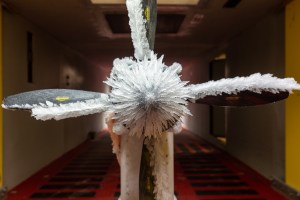
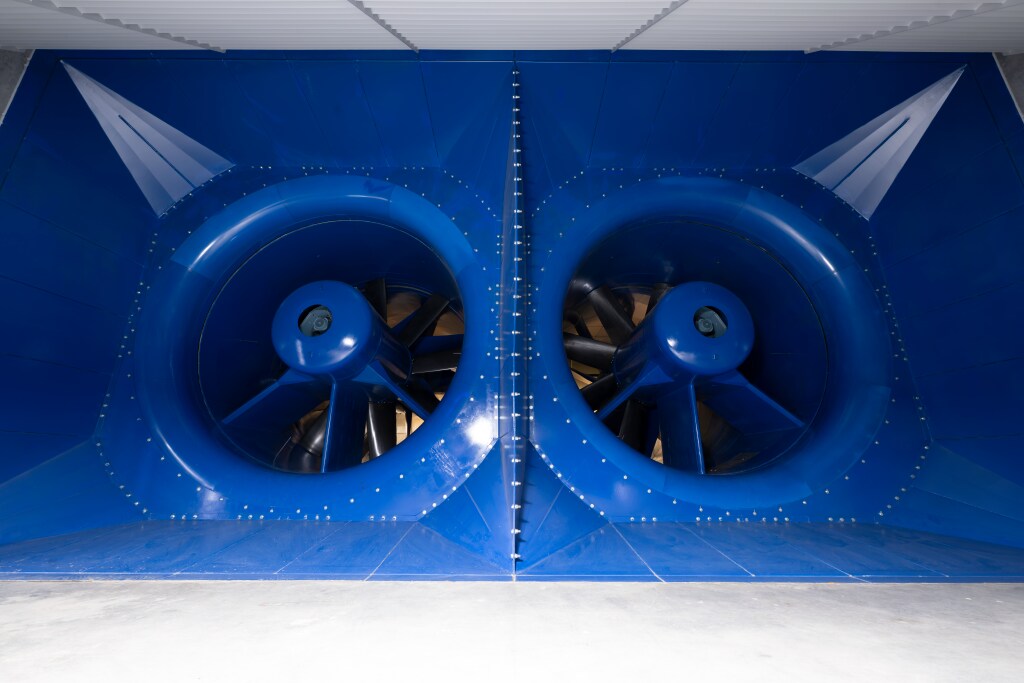
The Flight Dynamics Research Facility (FDRF) is a large subsonic wind tunnel operated by NASA featuring a vertical test section 20 feet in diameter and 24 feet high, designed for aircraft stability, controllability, and spin recovery testing. The facility can generate wind speeds up to 172 feet per second (117 mph) at atmospheric pressure with actively controlled temperature, achieving Reynolds numbers up to 1.10×10^6 per foot. The 131-foot tall structure enables realistic simulation of atmospheric flight dynamics for scale models and research vehicles.
Why it matters
This facility provides critical infrastructure for testing aircraft stability and spin characteristics before full-scale flight, improving aviation safety by identifying potential control problems in a controlled environment. The FDRF's unique vertical configuration allows researchers to study free-fall and spin behaviors that are difficult or dangerous to test with actual aircraft.
Understand the Science
1 min read
Preparations for Next Moonwalk Simulations Underway (and Underwater)
Home
Characteristics
The Flight Dynamics Research Facility (FDRF) is a large, subsonic wind tunnel with a vertical test section for conducting flight dynamics research for stability, controllability, free-fall and aircraft spin, and spin recovery testing of atmospheric vehicles.
Characteristics
- Test Section Dimensions: 20 ft. diam. by 24 ft. high
- Speed: 0 – 172 ft/s (0 – 117 mph)
- Dynamic Pressure: (0 – 35 psf)
- Reynolds Number: 0 – 1.10×10^6 per ft.
- Pressure: Atmospheric
- Temperature: Actively cooled (79° F)
- Test Gas: Air
- Facility Height: 131 ft.
Flight Dynamics Flight Research
Aerosciences Evaluation and Test Capabilities