AI Insight
Jupiter's gravitational influence may enhance the Perseid meteor shower in 2028 by drawing more debris from comet 109P/Swift-Tuttle into Earth's path. This occurs because Jupiter passes close to the comet's debris stream every twelve years, potentially shifting particle orbits closer to Earth. Meteor experts predict rates could reach 200-300 meteors per hour in 2028 if the 2027 shower shows enhanced activity of at least 100 per hour, though a third-quarter moon may obscure fainter meteors.
Why it matters
If predictions prove accurate, the 2028 Perseid shower could provide one of the most spectacular celestial displays in over a decade for both amateur stargazers and professional astronomers. This event demonstrates how planetary gravitational interactions can influence meteor shower intensity and offers opportunities to study comet debris distribution.
Understand the Science
The Perseid meteor shower dazzled stagazers with a spectacular natural light show around its peak on Aug. 12-13. But could we be in for even more impressive displays of shooting stars in the years to come?
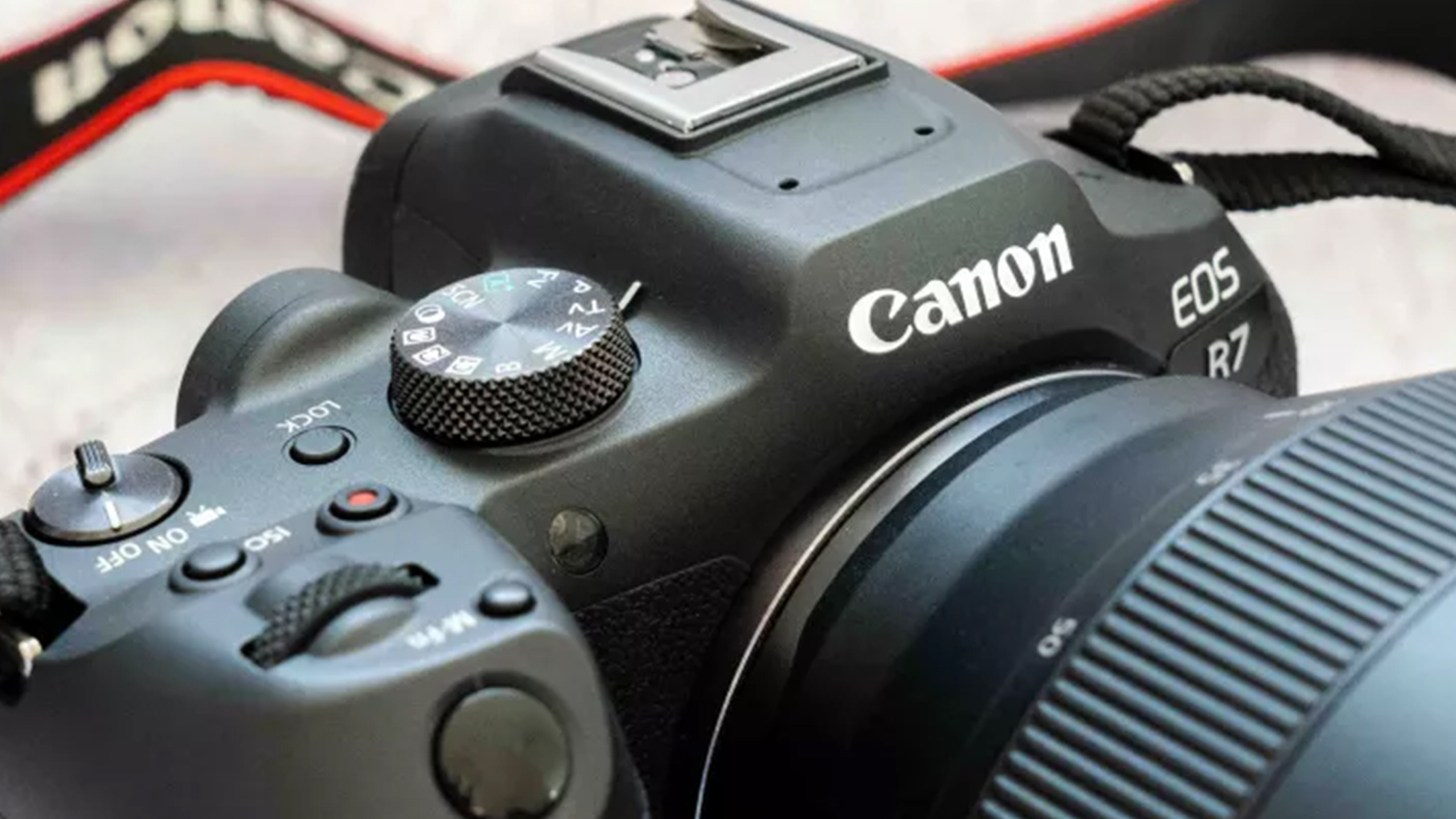
The Canon EOS R7 is the best camera for beginners. Despite its crop sensor, the EOS R7 can rival most full-frame cameras. Read our full Canon EOS R7 review to find out more!
Perseid shooting stars can be seen each year as Earth crashes through the trail of debris shed by the icy comet 109P/Swift-Tuttle. Many of these cometary shards are no larger than a single grain of sand. Yet they’re capable of burning bright enough to be seen with the naked eye as they collide with our planet’s atmosphere at 37 miles (59 kilometers) per second, often destroying themselves in the process.
The 2026 Perseid shower peaked overnight on Aug. 12-13, as Earth plunged into the densest region of Comet Swift-Tuttle’s debris stream. But as spectacular as this year’s display was, Jupiter‘s powerful gravity could make 2028 an even more impressive year for the Perseid meteor shower, as the gas giant passes close to Swift-Tuttle’s debris stream, drawing more of the meteoroids into a collision course with Earth’s atmosphere.
Are the Perseids going to get stronger in 2028?
According to scientists, there is a distinct possibility that our solar system’s largest planet could influence the Perseid meteor shower in the upcoming years. “Jupiter passes close to a portion of the stream of particles generated by comet 109P/Swift-Tuttle once every twelve years,” meteor expert Robert Lunsford of the American Meteor Society (AMS) told Space.com. “The timing and position of this intersection determines if the particles will pass closer or further from Earth. The 2028 passage indicates that some particles will shift into an orbit closer to Earth so that hourly rates could be higher than usual.”
Lunsford notes that while computer models are helpful for predicting when a surge in meteor activity may occur, they lack key data on the density of particles within the stream, which are usually separated by hundreds, or even thousands of miles from one another. As such, predictions on hourly rates for upcoming meteors are best treated as educated guesses, Lunsford said.
“The results of the 2027 display should provide a clue,” continued Lunsford. “If rates during 2027 are enhanced to at least 100 per hour, then we can expect 200-300 per hour for 2028.”
Will moonlight be a problem?
Even if 2027 does see an uptick in Perseid activity, we may not necessarily be able to appreciate it.
That year, the Perseids will peak in the glare of a waxing moon just four days from turning full, and the moonlight will hide many of the shower’s fainter shooting stars. Though there will be a few hours before dawn when the moon sets below the western horizon, granting peak meteor hunting conditions.
In 2028 — the year of the potential Jupiter-caused Perseid outburst — the shower will peak around Aug. 12-13 in the light of a third quarter moon, which will rise after midnight and be present until sunrise.
“This is much better than having a full moon, but the faintest meteors may still be obscured if your sky is not transparent,” said Lunsford. “You could also view prior to moonrise for the 2028 event, but the radiant will be low. The timing of greatest intensity seems to be between 23-00 Universal Time on Aug.13/14, 2027 and 5-6 UT on Aug. 12, 2028.”
Want to be ready to capture the next big meteor shower? Then be sure to read our guide to photographing shooting stars, along with our roundups of the best cameras and lenses for astrophotography in 2026.
Editor’s Note: If you would like to share your astrophotography with Space.com’s readers, then please send your photo(s), comments, and your name and location to spacephotos@space.com.