AI Insight
A survey of 289 AGU members revealed that 80% of geoscience researchers experienced at least one harmful interaction during fieldwork, with respondents reporting an average of five incidents each. While identity-based harassment occurred frequently, professional misconduct such as gatekeeping, sabotage, and devaluation of work were identified as most negatively impactful. Women, nonbinary researchers, and early-career scientists were disproportionately affected, and 75% of the most serious incidents went unreported.
Why it matters
The findings reveal systemic safety and inclusion problems in geoscience fieldwork that affect research quality and career development. The study identifies specific needs for improved training, enforceable codes of conduct, and independent reporting mechanisms to make fieldwork safer and more equitable for all participants.
Understand the Science
Source: AGU Advances
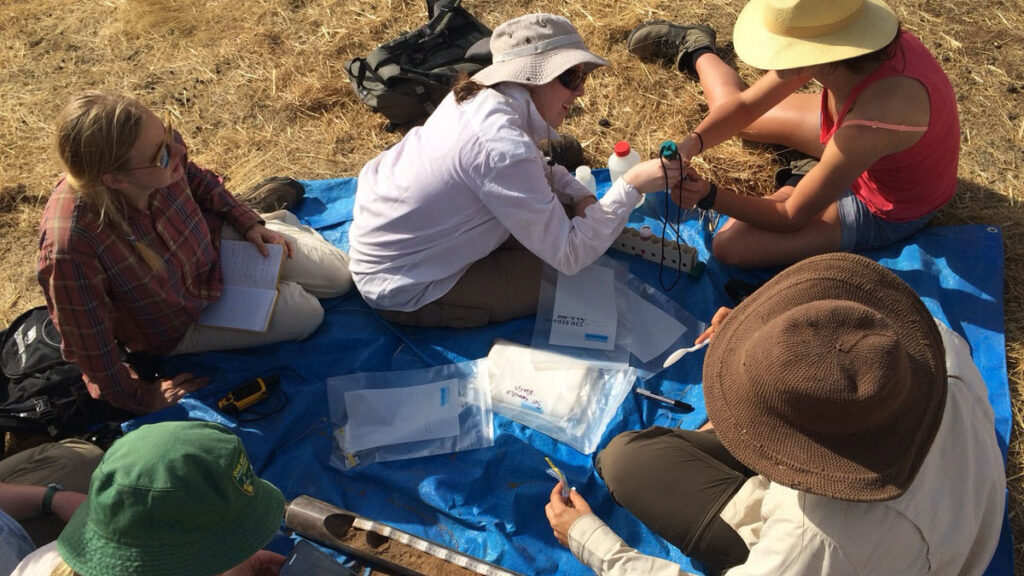
Fieldwork is a vital part of geoscience research, allowing scientists and students to directly observe, interact with, and collect data about Earth processes that cannot be replicated in the lab.
Because fieldwork involves traveling to remote locations and living in close quarters under demanding conditions, it can also lead to circumstances in which personal boundaries are crossed or safety is compromised. Shared housing, uneven power structures between students and professionals, remote locations, and long workdays can increase the likelihood of harmful field interactions.
Although the National Science Foundation, the largest agency funding field-based research, provides safety guidelines for fieldwork, many researchers in the geosciences report a range of problematic behaviors, from bullying to discrimination to sexual harassment.
Gold et al. conducted an anonymous survey of 289 AGU members to assess the frequency of harmful field interactions (excluding severe cases of violence or misconduct), which types have the most impact, and why incidents may go unreported. The researchers also asked participants what could be done to make geoscience field research safer and more inclusive.
In the survey, participants were asked whether they had experienced or witnessed harmful behaviors, including aggression and hostility, social harassment, undermining of work, inappropriate sexual behavior, assumptions and stereotyping, and violations of personal privacy.
Participants identified instances and provided additional details, such as whether they experienced or observed the harmful behavior, the relationship between perpetrator and victim, the career stage in which the event occurred, whether the field site was in a remote or accessible location, and whether the incident was reported or not.
Eighty percent of survey participants reported experiencing at least one harmful field interaction during fieldwork; the average respondent reported five harmful interactions. Though identity-based harmful behaviors, such as inappropriate sexual behaviors and assumptions or stereotyping, were commonly reported, respondents consistently identified behaviors related to professional conduct such as gatekeeping, sabotage, and devaluation of work as the most negatively impactful. Women and nonbinary researchers were disproportionately affected by devaluation of their work, bullying, unwanted sexual attention, and invasions of privacy. Career stage also affected study respondents: Early-career researchers were more likely to face incidents such as uncomfortable sleeping situations and pressure to drink alcohol. Some harmful behaviors, such as pressure to engage in unsafe activities and bullying, were more common at remote worksites.
Seventy-five percent of the most impactful instances went unreported, highlighting a need for improved safety and inclusion training, enforced codes of conduct, and independent reporting pathways to ensure that geoscience fieldwork can be safe, fair, and ethical for all participants. (AGU Advances, https://doi.org/10.1029/2026AV002402, 2026)
—Rebecca Owen (@beccapox.bsky.social), Science Writer