AI Insight
NASA and Eta Space are conducting the Liquid Oxygen Flight Demonstration (LOXSAT), a nine-month in-orbit mission designed to test 11 cryogenic fluid management technologies in microgravity conditions. The payload, integrated with a Rocket Lab Photon satellite bus, will launch aboard an Electron rocket from New Zealand no earlier than July 17 and target key technical challenges including propellant boiloff reduction, fluid transfer, tank pressure maintenance, and propellant gauging. Data collected will inform the development of in-space propellant depots capable of refueling spacecraft bound for the Moon, Mars, or other deep space destinations.
Why it matters
In-space refueling depots would fundamentally extend the range and payload capacity of future crewed and robotic missions, reducing the need to launch fully fueled vehicles from Earth and lowering the cost of deep space exploration.
Understand the Science
2 min read
Preparations for Next Moonwalk Simulations Underway (and Underwater)
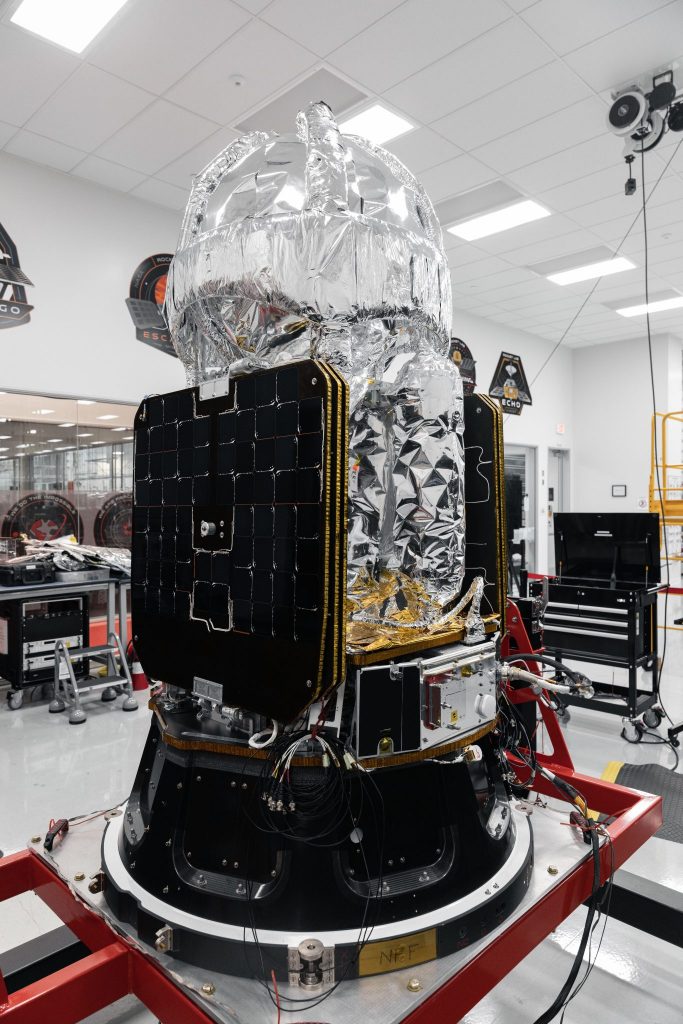
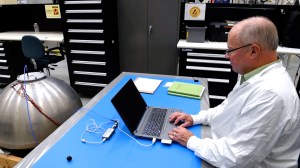
NASA is collaborating with Eta Space of Rockledge, Florida, on an in‑orbit technology demonstration to advance a key capability for future deep space missions. The Liquid Oxygen Flight Demonstration, or LOXSAT, will test cryogenic fluid management technologies necessary for creating in-space propellant depots, essentially gas stations in space, that could support long-term exploration.
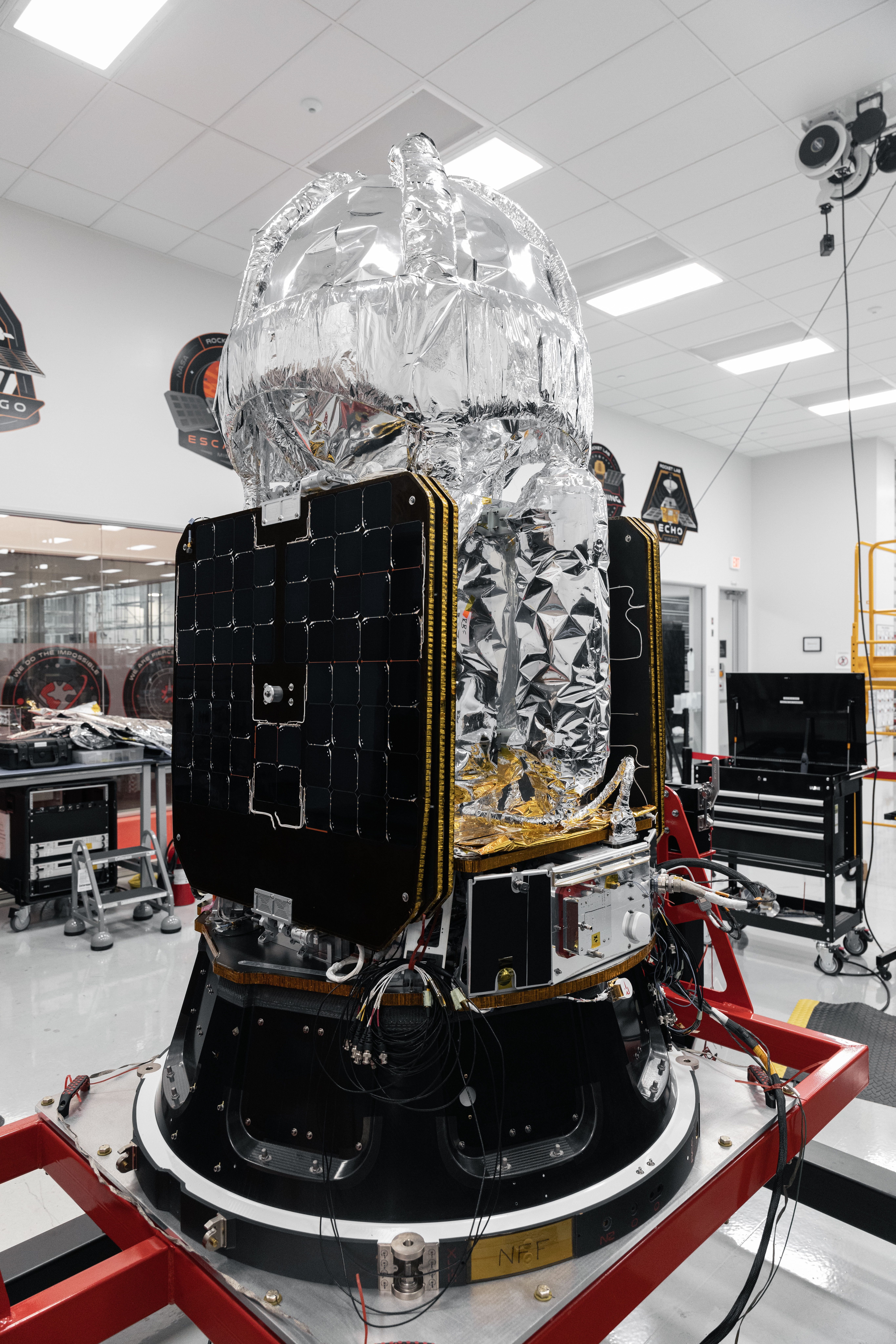
During a nine-month mission, LOXSAT will demonstrate 11 cryogenic fluid management technologies. Eta Space built LOXSAT as part of a NASA Tipping Point opportunity, and Rocket Lab is providing spacecraft and launch services to deliver it to low Earth orbit. The LOXSAT payload has been integrated with a Rocket Lab Photon satellite bus and will launch aboard the company’s Electron rocket from Launch Complex 1 on New Zealand’s Mahia Peninsula no earlier than July 17.
The technologies that LOXSAT will demonstrate were selected to address the core challenges of using cryogenic, or super-cold, propellants in microgravity, including reducing boiloff, transferring propellant, maintaining tank pressure, and gauging propellant levels. Data collected from these tests will support development of future in-space propellant depots that could refuel spacecraft as they journey to the Moon, Mars, or other deep space destinations.
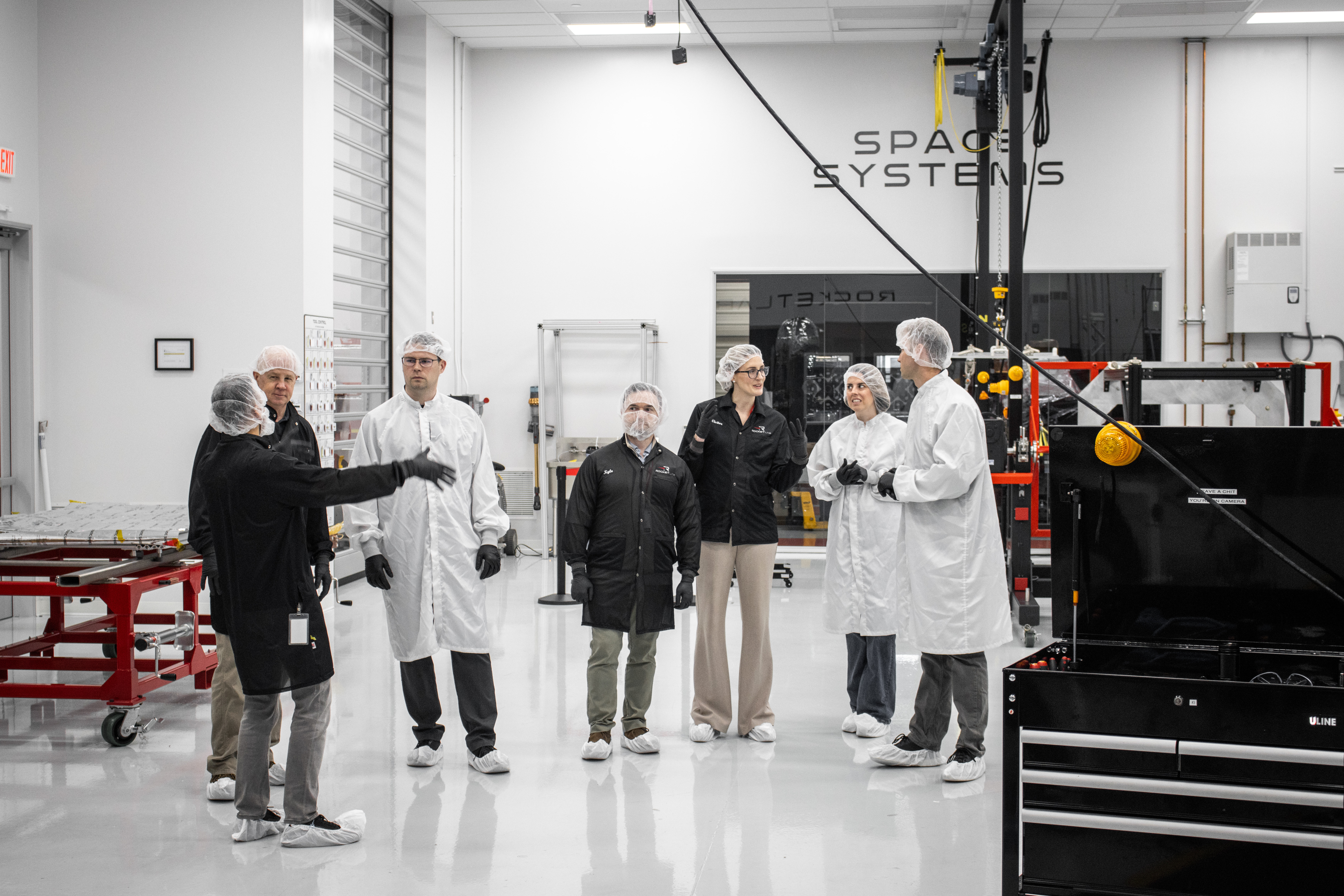
NASA’s LOXSAT team is composed of members of the Cryogenic Fluid Management Portfolio Project from NASA’s Marshall Space Flight Center in Huntsville, Alabama, Glenn Research Center in Cleveland, and Kennedy Space Center in Florida. The cryogenic portfolio’s work is part of NASA’s Space Technology Mission Directorate and includes more than 20 individual technology development activities.
To learn more, visit:
Share
Details
Related Terms
Explore More





Source: NASA, Industry Prepare Cryogenic Fuel Technology Demo