AI Insight
NASA's 737 aircraft received new paint in Oklahoma as part of its conversion into a reduced gravity test aircraft. The plane, transferred from the U.S. Air Force in June 2026, will perform lunar-gravity parabolic flights to test astronaut suits and crew systems for the Artemis moon missions. The aircraft will operate from NASA's Johnson Space Center in Houston under Armstrong Flight Research Center oversight, and will also support research on flight autonomy, sensors, and digital systems integration.
Why it matters
This aircraft provides a critical testing platform for validating equipment and systems that astronauts will use during Artemis lunar missions, allowing engineers to simulate lunar gravity conditions without leaving Earth. The capability to test suits and systems in reduced gravity before actual moon missions helps ensure astronaut safety and mission success while reducing development costs.
Understand the Science
1 min read
Preparations for Next Moonwalk Simulations Underway (and Underwater)
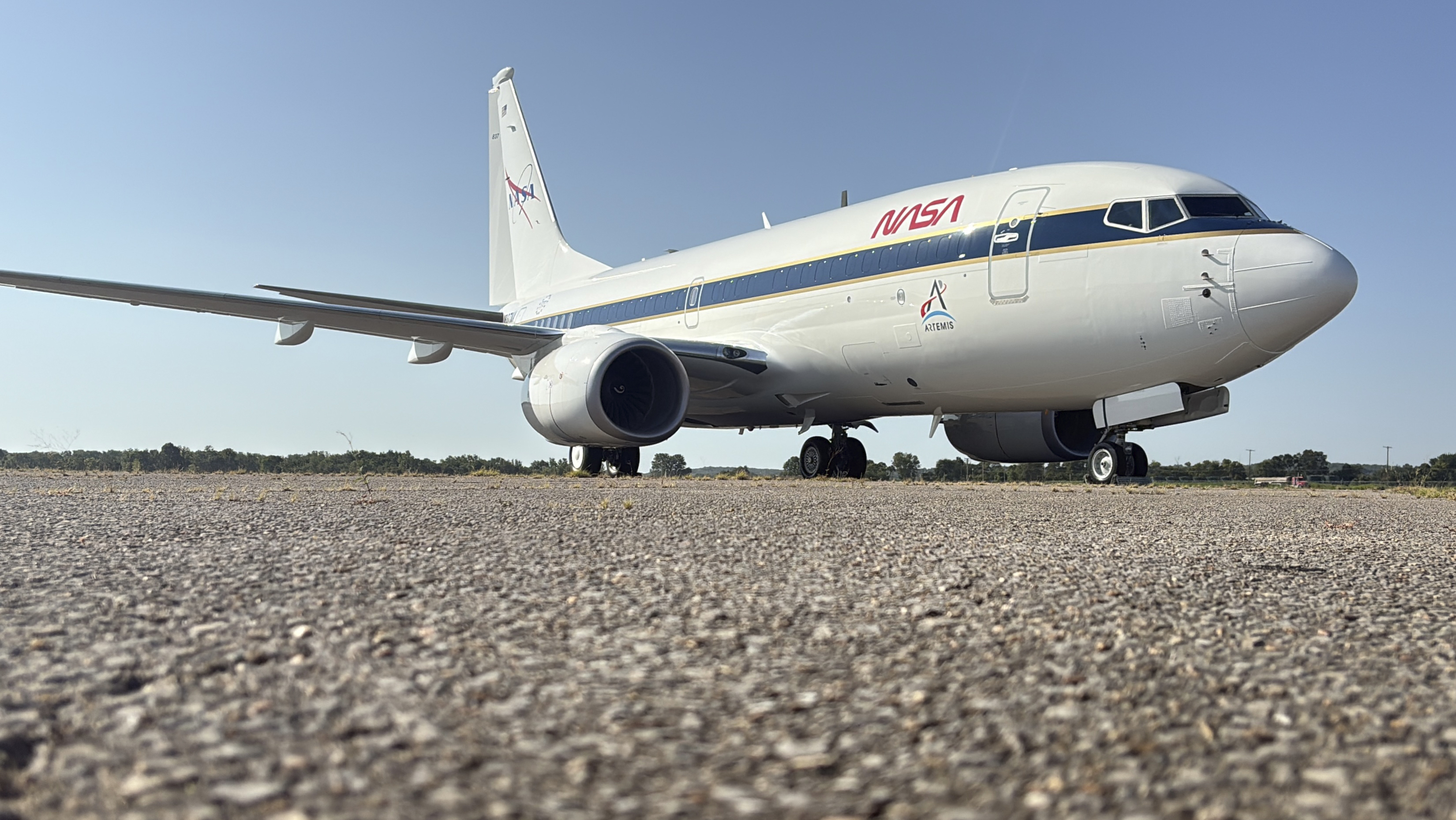
NASA’s 737 aircraft was painted this week in Oklahoma as it progresses with modifications for use as a reduced gravity test aircraft for the agency. NASA’s Armstrong Flight Research Center in Edwards, California, took ownership of the aircraft from the United States Air Force in June.
The aircraft will perform lunar-gravity parabolic flights to validate astronaut lunar suits and associated crew systems required to support Artemis mission objectives. These flights will happen at NASA’s Johnson Space Center in Houston for reduced-gravity operations, with NASA Armstrong oversight.
In addition, the aircraft will serve as a key asset for systems‑integration research for flight testing autonomy, sensors, and other digital systems.
Share
Related Terms
Explore More


Source: NASA’s 737 Reveals New Paint