AI Insight
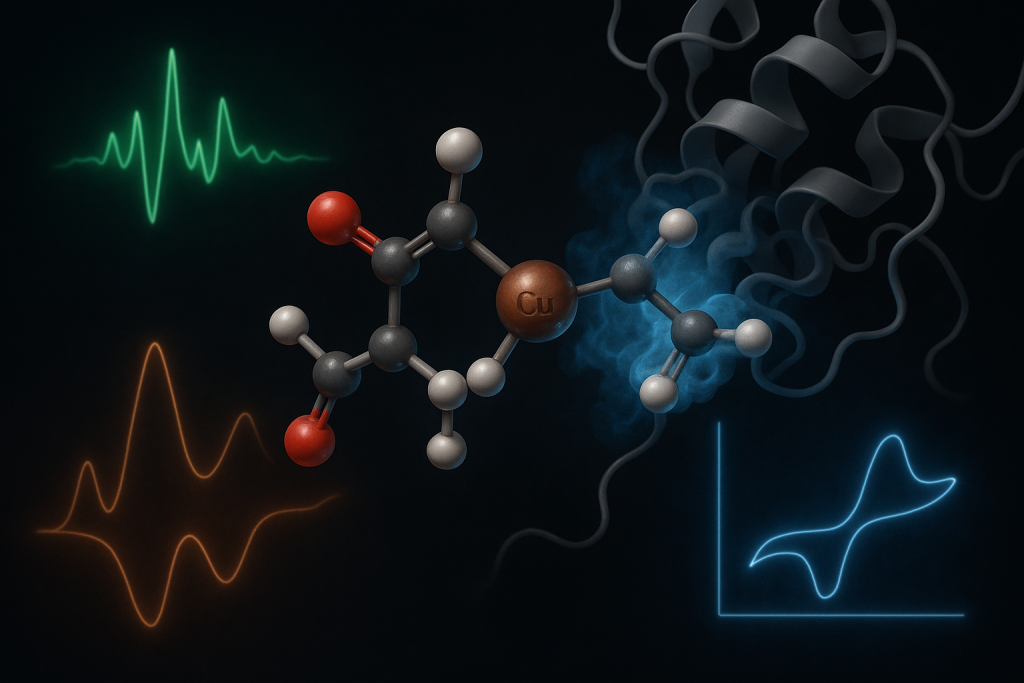
This study investigates the structural and binding properties of a copper(II)-glutamic acid coordination complex through a combination of spectroscopic techniques, electrochemical measurements, and computational modeling. The researchers characterized the molecular geometry and electronic properties of the complex, then used molecular docking simulations to evaluate its potential interactions with biological targets relevant to therapeutic applications. The integrated approach provides evidence for the complex's stability and its capacity to interact with biomolecular targets in a manner consistent with metallodrug behavior.
Why it matters
Copper-based coordination complexes represent a growing area of interest in medicinal inorganic chemistry as alternatives or complements to platinum-based anticancer drugs. Understanding how such complexes bind to biological targets at the molecular level is a necessary step toward rational drug design and potential clinical development.
Understand the Science