AI Insight
On August 28, 2026, a deep partial lunar eclipse occurred when 96.3% of the Moon's disk entered Earth's umbra at 12:13 a.m. EDT. The eclipse was visible across most of the Americas (excluding Alaska and northwestern Canada), western Europe, and western Africa. The photograph was taken from southern Louisiana, location of NASA's Michoud Assembly Facility where Space Launch System rockets are manufactured.
Why it matters
This eclipse provided a significant astronomical observation opportunity for a large portion of Earth's population across multiple continents. Such events allow scientists and the public to observe celestial mechanics and Earth-Moon-Sun alignments in real time.
Understand the Science
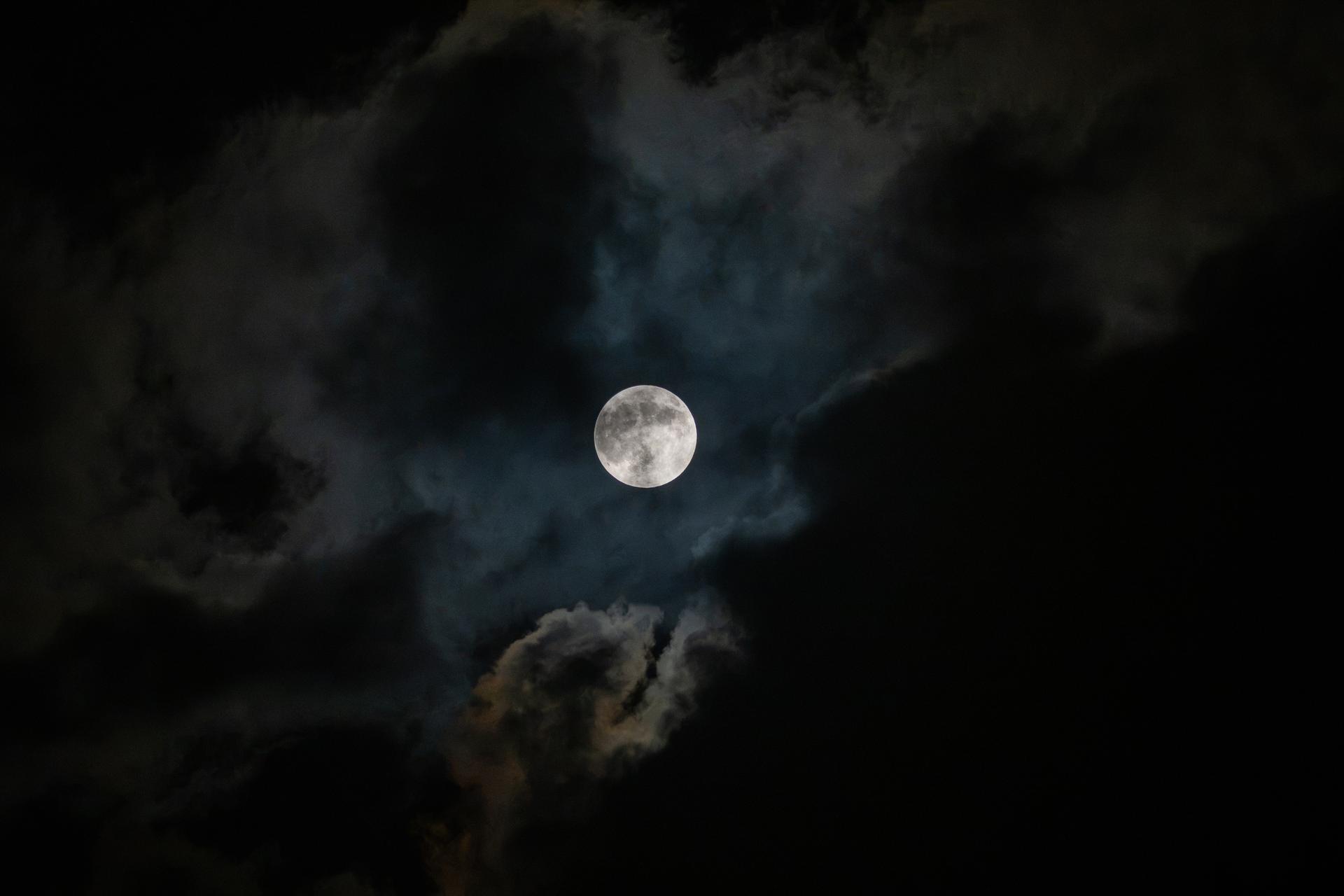
On Aug. 28, 2026 (the evening of Aug. 27 in some time zones), the Moon passed into Earth’s shadow, creating a deep partial lunar eclipse. At the moment of greatest eclipse, 12:13 a.m. EDT, 96.3% of the Moon’s disk was immersed in Earth’s umbra—the central, darkest part of the shadow where sunlight is completely blocked. This stage of the eclipse was visible across much of the Americas (except Alaska and northwestern Canada), as well as western Europe and western Africa.
This image of the eclipse was captured in southern Louisiana, home to NASA’s Michoud Assembly Facility—the nation’s premier site for manufacturing and assembling large-scale space structures and systems, including the core stages of the Space Launch System (SLS) rocket powering the Artemis program.
Source: Rising Over Louisiana