AI Insight
Rocket Lab successfully launched a Japanese Earth-observing satellite on August 6, 2026, using its Electron rocket from New Zealand, five weeks after an aborted first attempt on June 30. The spacecraft, QPS-SAR-13 (MIKURA-I), was deployed into orbit at 357 miles above Earth and will use synthetic aperture radar (SAR) to capture high-resolution imagery through clouds, day and night. This was the eighth of 15 planned Rocket Lab launches to construct iQPS's 36-satellite constellation for continuous Earth observation.
Why it matters
The expanding SAR satellite constellation will provide all-weather, round-the-clock Earth monitoring capabilities for applications including disaster response, agriculture monitoring, and resource management. Rocket Lab's growing launch cadence, including 13 missions in 2026 and a new $266 million contract for suborbital defense missions, demonstrates the commercialization of space launch services for both civilian and military applications.
Understand the Science
A Japanese Earth-observing satellite got to orbit early this morning (Aug. 6), five weeks later than originally planned.
The spacecraft — a radar satellite that will be operated by the Tokyo-based company iQPS — lifted off atop a Rocket Lab Electron vehicle from New Zealand today at 5:18 a.m. EDT (0918 GMT; 9:18 p.m. local time).
It was a deferred round two for the mission: Rocket Lab originally tried to launch it on June 30 but aborted that attempt at the last second. The company has not yet revealed what caused that abort.
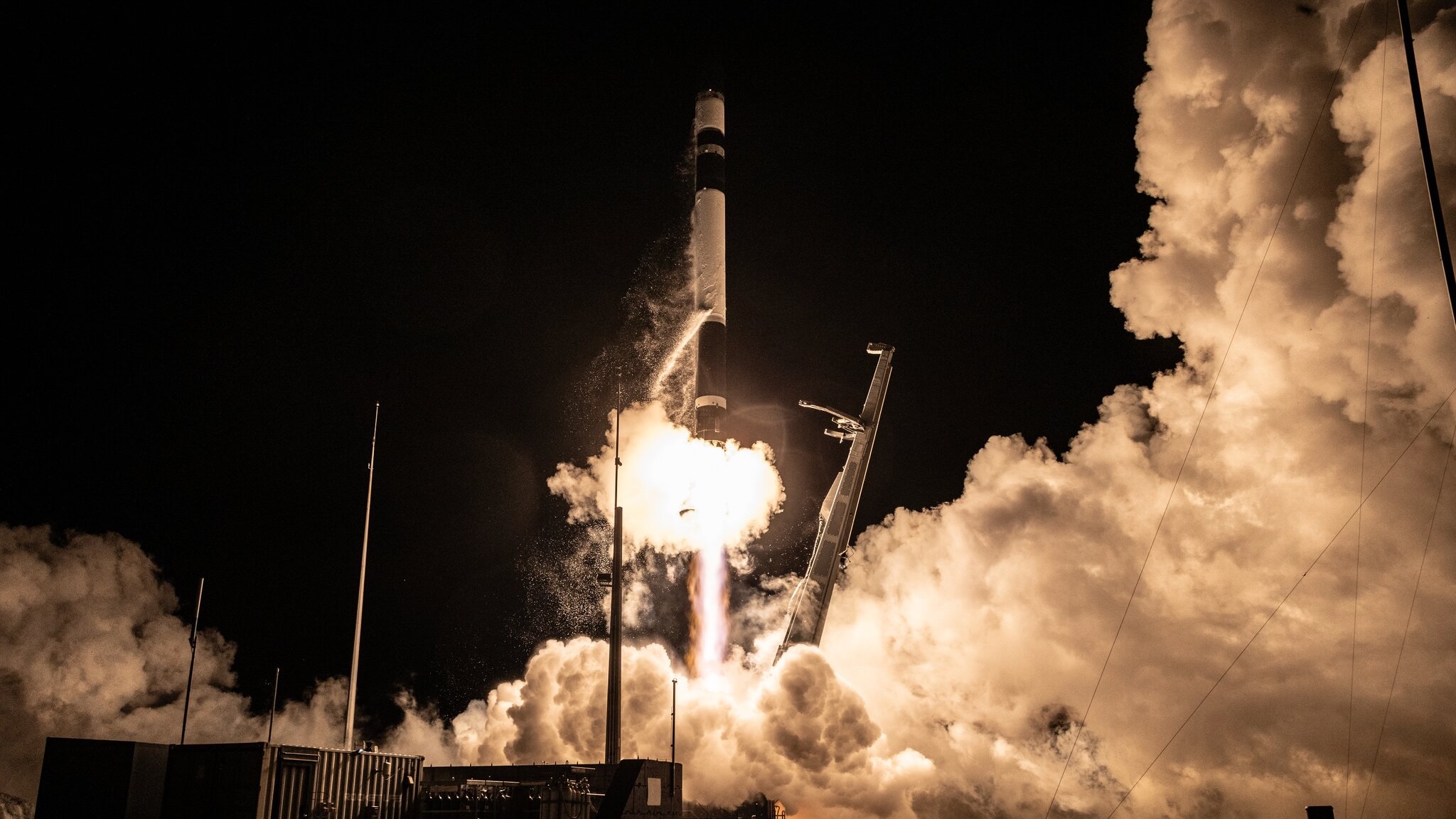
Everything went well on this morning’s flight, which Rocket Lab called “The Grain Goddess Provides.” The Electron deployed the iQPS satellite into its target orbit about 357 miles (575 kilometers) above Earth, Rocket Lab announced via X this morning.
The spacecraft — known as QPS-SAR-13 or MIKURA-I, after a Japanese goddess associated with abundance and prosperity — will study our planet using high-resolution synthetic aperture radar (SAR), which can peer through clouds and collect imagery both day and night.
iQPS is building a constellation of 36 such SAR satellites in low Earth orbit. Electron is the primary launcher for this network; “The Grain Goddess Provides” was the eighth of a total of 15 launches that Rocket Lab will conduct to help assemble the constellation.
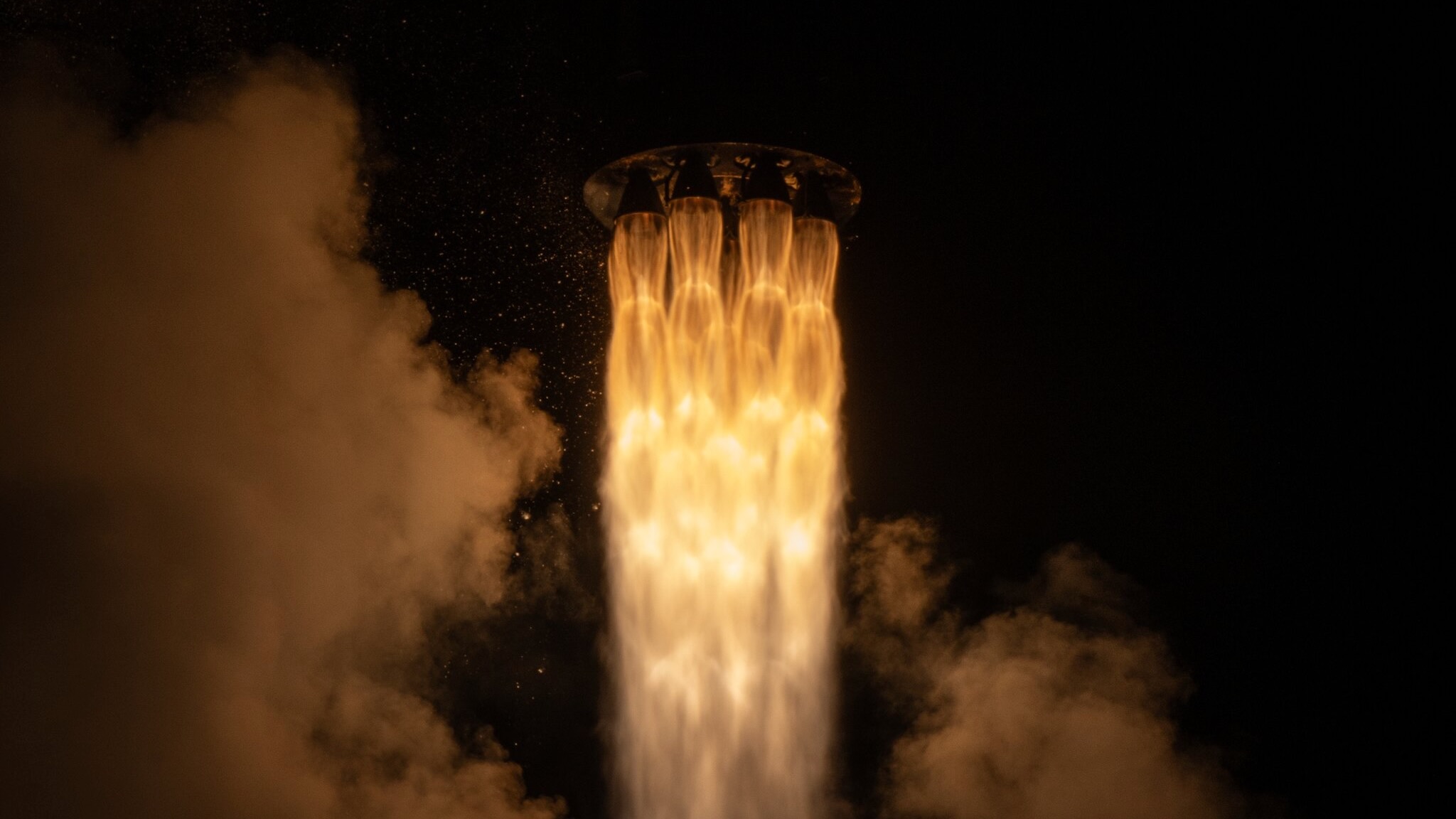
Today’s mission was the 92nd overall for Rocket Lab and the company’s 13th of 2026. Most of these flights have involved the 59-foot-tall (18 meters) Electron, the company’s workhorse small-satellite launcher. But a growing number these days are performed by HASTE, a suborbital variant of Electron that allows customers to test technologies in a hypersonic flight environment.
And we could soon see an increase in the cadence of HASTE liftoffs. Rocket Lab recently signed a $266 million contract with the U.S. Space Force to fly up to 18 suborbital missile-defense missions, most of them from Alaska, a new launch locale for the company.
Source: Rocket Lab launches Japanese Earth-observing satellite after 5-week delay (video, photos)