AI Insight
On October 20, 1970, the Soviet Union launched Zond 8, the final mission in its Zond lunar program, which sent an uncrewed spacecraft on a circumlunar trajectory that approached within 1,120 kilometers of the moon's surface. The spacecraft successfully captured images of Earth and the moon before splashing down in the Indian Ocean on October 27, 1970, despite a guidance system malfunction that altered its reentry path. Zond 8 was a test flight for the L1 spacecraft designed to carry cosmonauts around the moon, but crewed missions never materialized after the United States achieved lunar landings with Apollo 11 and Apollo 12 in 1969.
Why it matters
This mission marked the end of the Soviet Union's moon landing program during the Space Race era, after which the country shifted focus to developing space stations including Salyut and Mir. The technical challenges encountered across the Zond program contributed to the Soviet decision to abandon crewed lunar missions, fundamentally shaping the trajectory of human spaceflight for decades.
Understand the Science
On Oct. 20, 1970, the Soviet Union launched the Zond 8 spacecraft on a mission to the moon. This was the last mission in the Zond program.
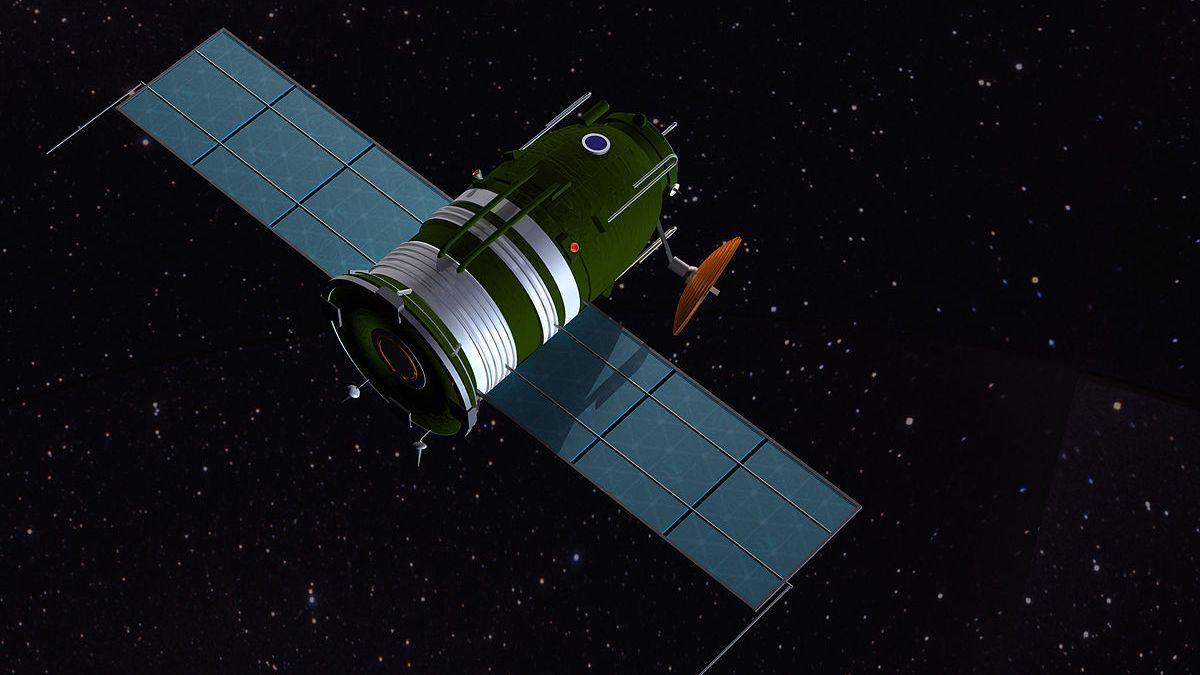
After the first three Zond missions explored Venus and Mars, the next ones were circumlunar missions that flew around the moon before returning to Earth. Although there was no crew on board, the Zond spacecraft was designed with cosmonauts in mind.
The Zond missions served as test flights for the Soviet Union’s plans to send cosmonauts to the moon. But those plans for crewed flights never came to fruition. This was partly because the U.S. had already put astronauts on the moon, but also because the Zond missions had a lot of technical problems.
Zond 8 was considered a success — even though its guidance system malfunctioned on the way back to Earth. The spacecraft still returned to Earth safely and splashed down in the Indian Ocean one week after it launched.
Why it mattered
While the Zond 1 and Zond 2 missions were launched toward Venus and Mars, respectively, the primary target of most Zond missions was the moon. At the time, the Soviet Union was embroiled in an ongoing space race with the United States to be the first on the moon with a human crew.
By the time Zond 8 launched on Oct. 20, 1970, that space race was lost to the Soviet Union. NASA and the U.S. had already landed astronauts on the moon twice with Apollo 11 and Apollo 12 (in July and November of 1969, respectively), and even peformed the first space rescue fo the Apollo 13 astronauts in April 1970.
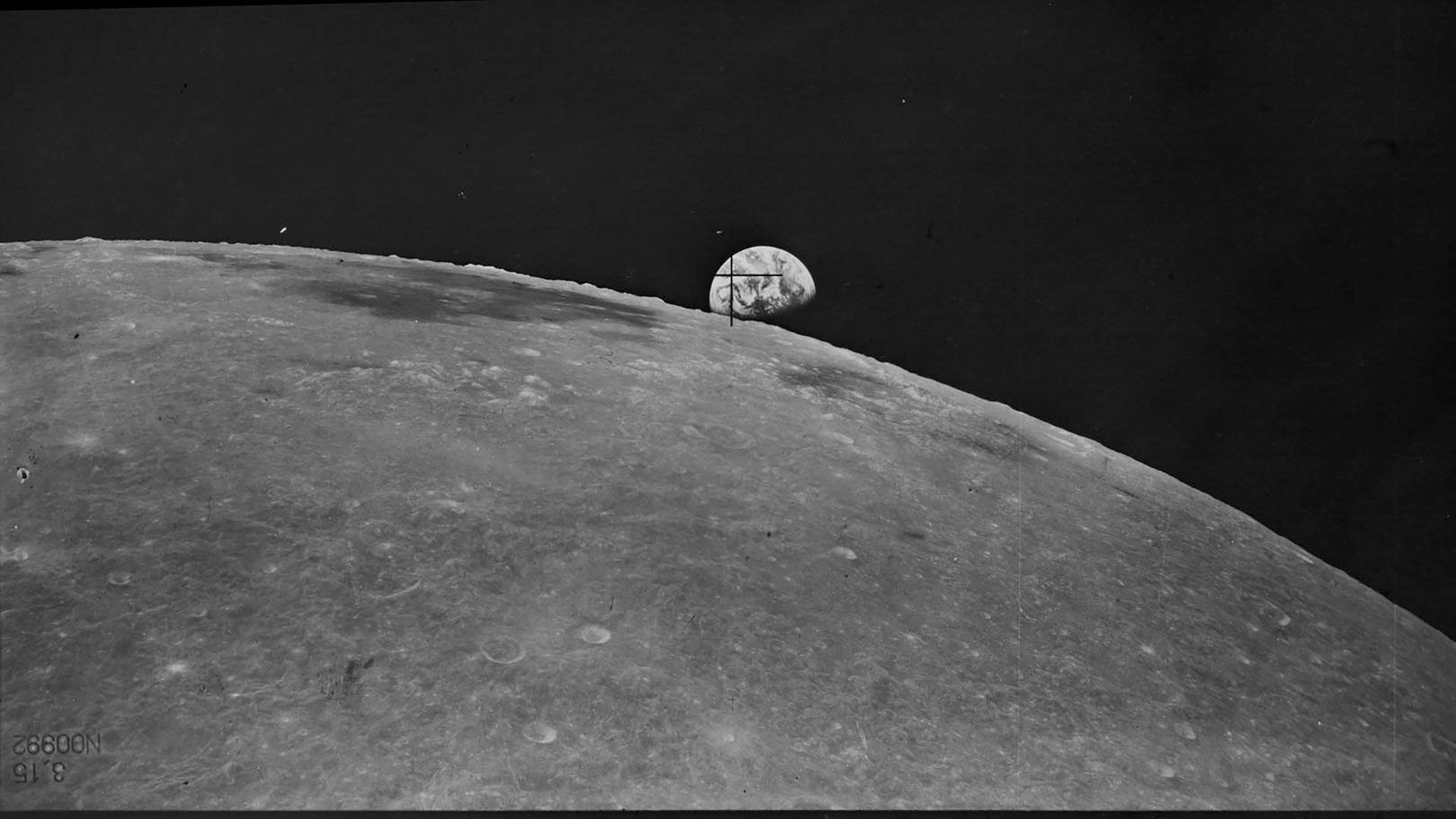
While Zond 8 was uncrewed, it was a test flight of the Soviet Union’s L1 spacecraft that was designed to fly a cosmonaut around the moon. It looped around the moon in a lunar flyby, approaching within 1,120 kilometers of the moon’s surface at its closest point, according to RussianSpaceWeb.com.
Cameras on Zond 8 captured stunning views of the Earth and moon, recreating the iconic Earthrise views seen by Apollo 8 astronauts two years earlier in 1968.
Zond 8 ultimately splashed down in the Indian Ocean on Oct. 27, 1970 after a solar attitude sensor failed, sending it on a shorter, steeper reentry path during landing, according to RussianSpaceWeb.com. It was retrieved by a recovery ship, marking the end of the Soviet moon landing program. Russian would go on to develop a series of Salyut space stations, culminating in the long-lived Mir space station.
After decades without a moon probe, Russia did launch a new uncrewed moon lander in 2023. That Luna 25 mission failed and crashed into the lunar surface after an onboard engine controller malfunctioned. The country has pledged a return to the moon in 2027.
Want more space history? Check out our full On This Day In Space Story archive and watch our On This Day In Space videos on YouTube.
Source: On this day in space! Oct. 20, 1970: The Soviet Union launches last-ever Zond moon mission