AI Insight
SpaceX successfully launched 27 Starlink internet satellites into low Earth orbit on September 6, 2026, using a Falcon 9 rocket from Vandenberg Space Force Base in California. The rocket's first stage booster, designated B1088, completed its 19th flight and landed successfully on a drone ship in the Pacific Ocean approximately 8.5 minutes after liftoff. This marked the 103rd Falcon 9 mission of 2026, with 80 of those flights dedicated to expanding the Starlink constellation, which now consists of over 11,000 active satellites.
Why it matters
This launch demonstrates the continued expansion of SpaceX's Starlink megaconstellation, which provides global internet coverage, particularly to underserved and remote areas. The successful reuse of the booster for its 19th flight showcases advances in rocket reusability, significantly reducing the cost of space access and satellite deployment.
Understand the Science
SpaceX launched 27 more of its Starlink internet satellites to orbit today (Sept. 6).
The spacecraft rode to low Earth orbit (LEO) atop a Falcon 9 rocket, which lifted off from California’s Vandenberg Space Force Base at 10:26 a.m. EDT (1426 GMT; 7:26 a.m. local California time). The Falcon 9 rose into blue morning skies — something of a rarity for California’s central coast, which is often cloaked in fog.
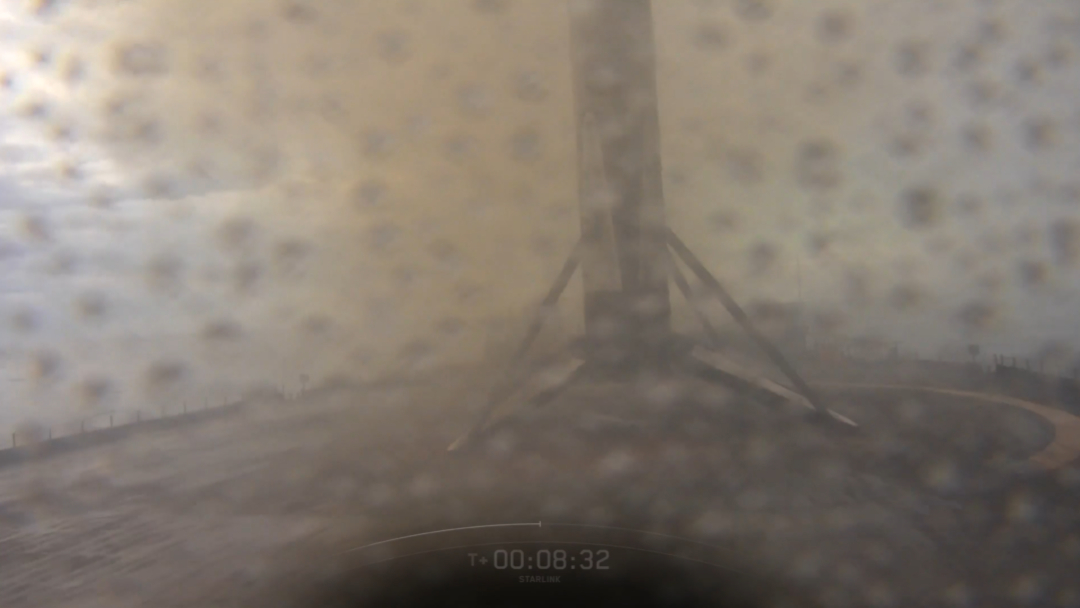
The Falcon 9’s first stage came back to Earth as planned 8.5 minutes later, landing in the Pacific Ocean on the SpaceX drone ship “Of Course I Still Love You.”
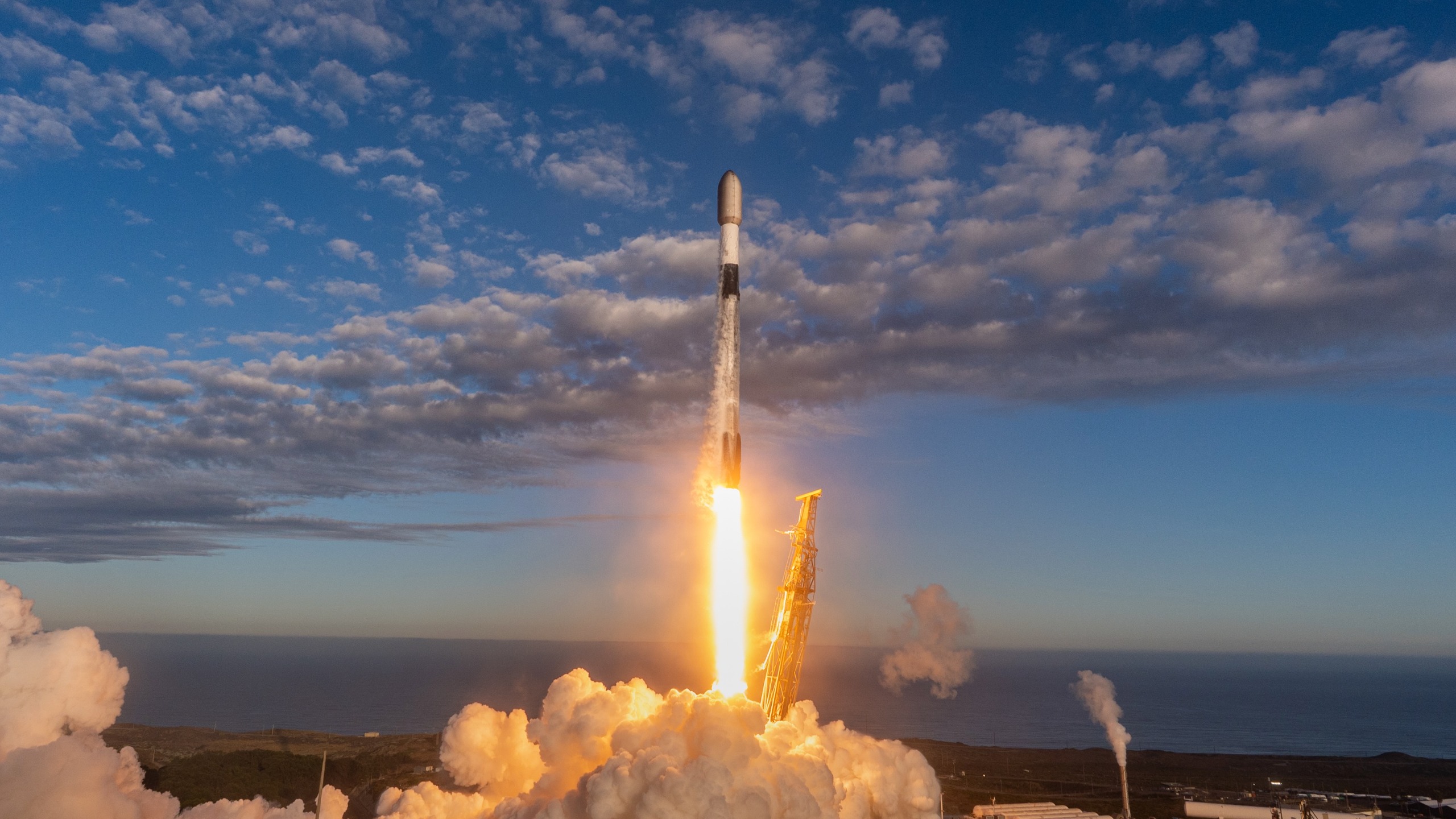
It was the 19th flight for this particular booster, which is designated B1088. This marks about the halfway point to the SpaceX record of 37 flights, which was set by B1067 during a Starlink launch on Aug. 25.
The Falcon 9’s upper stage, meanwhile, carried the 27 Starlink satellites to LEO, deploying them on schedule 62 minutes after launch.
NROL-126 | Transporter-12 | SPHEREx | NROL-57 | 13 Starlink missions
Today’s launch was the 103rd Falcon 9 mission of 2026. Eighty of those flights have been dedicated to building out the Starlink megaconstellation, by far the largest satellite network ever assembled. It currently consists of more than 11,000 active spacecraft, according to astronomer and satellite tracker Jonathan McDowell.
Starlink missions fly exclusively out of Vandenberg these days. SpaceX used to launch them from Florida as well, but the company recently put those missions on hold until it gets its Starship megarocket up and running on the Space Coast.
SpaceX will rely on Starship to launch its next-gen Starlink V3 satellites, which are bigger and more capable than the current V2. The company wants to assemble a network of about 100,000 Starlink V3s in LEO, Elon Musk has said.
Source: SpaceX Falcon 9 rocket launches 27 Starlink satellites, lands on ship at sea (video)