AI Insight
SpaceX successfully launched 24 Starlink satellites (Group 17-40) into low Earth orbit on June 28, 2026, using a Falcon 9 rocket from Vandenberg Space Force Base in California. The mission's first-stage booster (B1088) completed its 17th flight and landed successfully on the autonomous droneship "Of Course I Still Love You" in the Pacific Ocean. This launch brought the total number of active Starlink satellites to more than 10,700, expanding the global broadband internet network.
Why it matters
The expanding Starlink constellation provides internet access to underserved areas worldwide and supports emerging services like in-flight wifi and direct cell-to-satellite communications. This launch represents SpaceX's 75th Falcon 9 mission in 2026, demonstrating the continued scalability and reusability of commercial space launch systems.
Understand the Science
SpaceX launched 24 more of its Starlink satellites into low Earth orbit on Sunday (June 28), continuing to expand its broadband internet relay network.
A Falcon 9 rocket carrying the new batch (Group 17-40) launched from Space Launch Complex 4 East at Vandenberg Space Force Base in California. Liftoff took place at 12:09 p.m. EDT (1609 GMT or 9:09 a.m. PDT local time).
The Starlink satellites reached orbit about 9 minutes after leaving the ground and were on track to be deployed by the Falcon 9 upper stage about an hour later.
NROL-126 | Transporter-12 | SPHEREx | NROL-57 | 12 Starlink missions
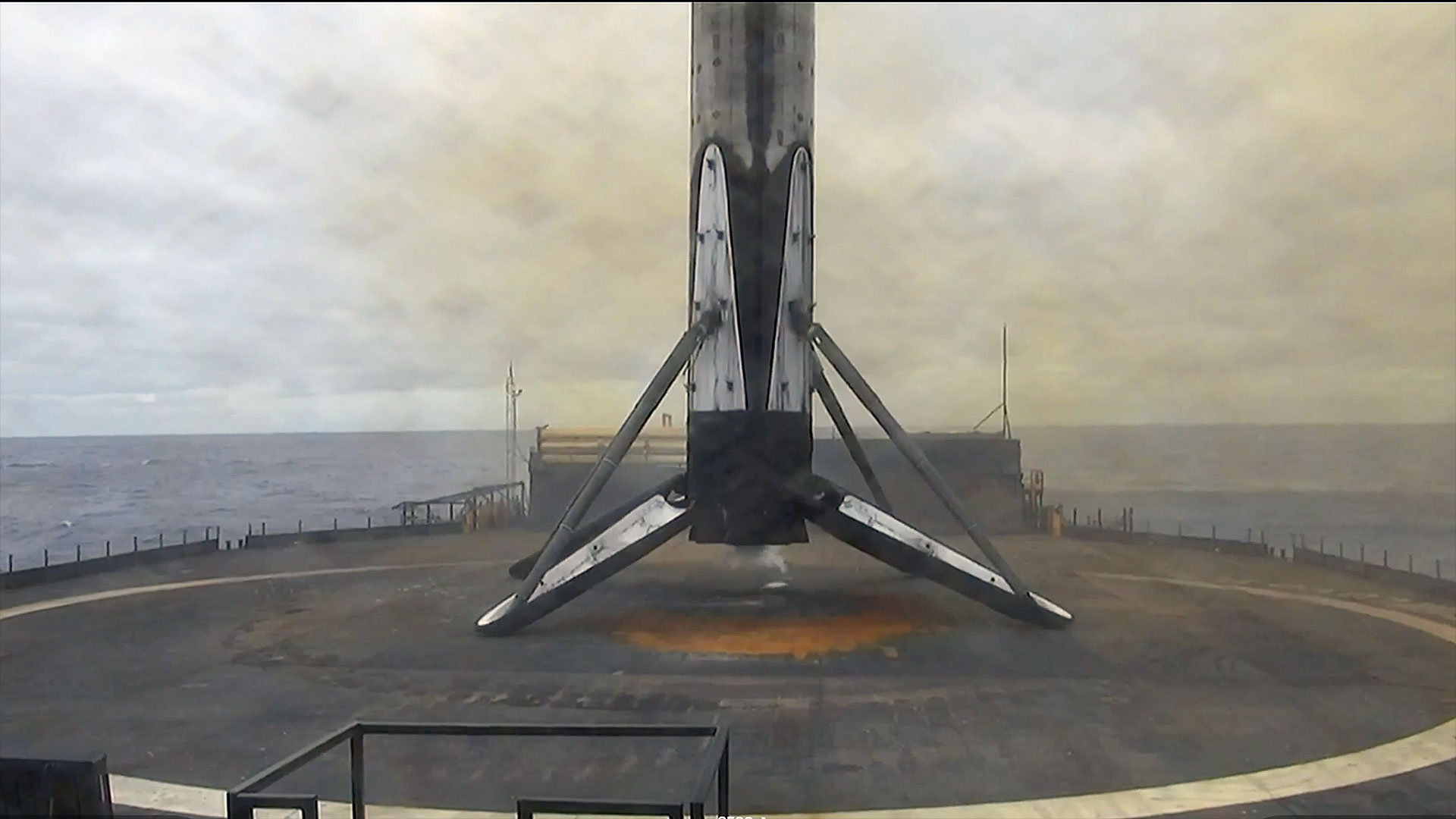
The rocket’s first stage (Booster 1088) completed its 17th flight, touching down on the autonomous droneship “Of Course I Still Love You” positioned in the Pacific Ocean.
The 24 satellites increased the total number of active relays in the Starlink network to more than 10,700, according to tracker Jonathan McDowell. The Starlink service provides access to the internet to people around the world, as well to in-flight wifi and cell-to-satellite service providers.
Sunday’s launch was SpaceX‘s 75th Falcon 9 mission in 2026.
Source: SpaceX sends 24 Starlink satellites into Earth orbit on Falcon 9 launch from California (video)