AI Insight
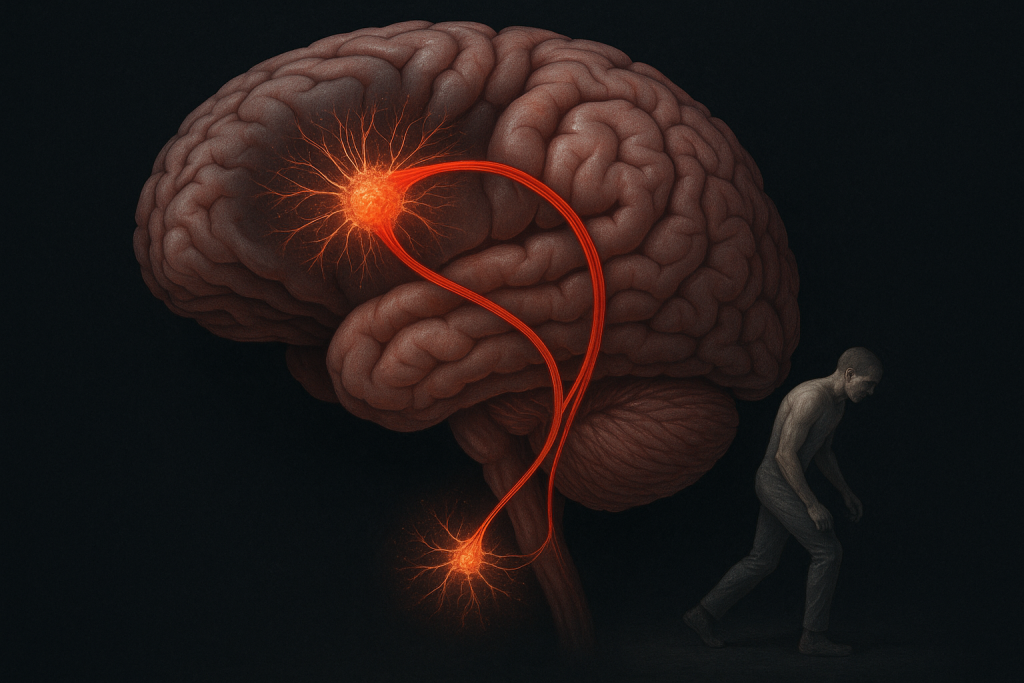
A study published in Nature Neuroscience identifies the striatal indirect pathway as the neural mechanism underlying hesitation, defined as the tendency to pause when facing uncertainty. Unlike other forms of response inhibition, which involve both direct and indirect pathway striatal neurons, hesitation specifically depends on indirect pathway activity. This distinction suggests that hesitation is a neurologically unique behavior rather than a general form of motor suppression.
Why it matters
Several psychiatric disorders, including anxiety disorders and obsessive-compulsive disorder, involve disrupted hesitation, and identifying its specific neural substrate could open new avenues for targeted therapeutic interventions. Understanding this circuit may also inform the development of more precise treatments that address pathological hesitation without broadly impairing motor control.
Understand the Science
Nature Neuroscience, Published online: 05 December 2025; doi:10.1038/s41593-025-02135-6
Hesitation—pausing in the face of uncertainty—is ubiquitous in daily life and disrupted in several psychiatric disorders. Unlike other forms of response inhibition, hesitation is mediated by indirect, but not direct, pathway striatal neurons.