AI Insight
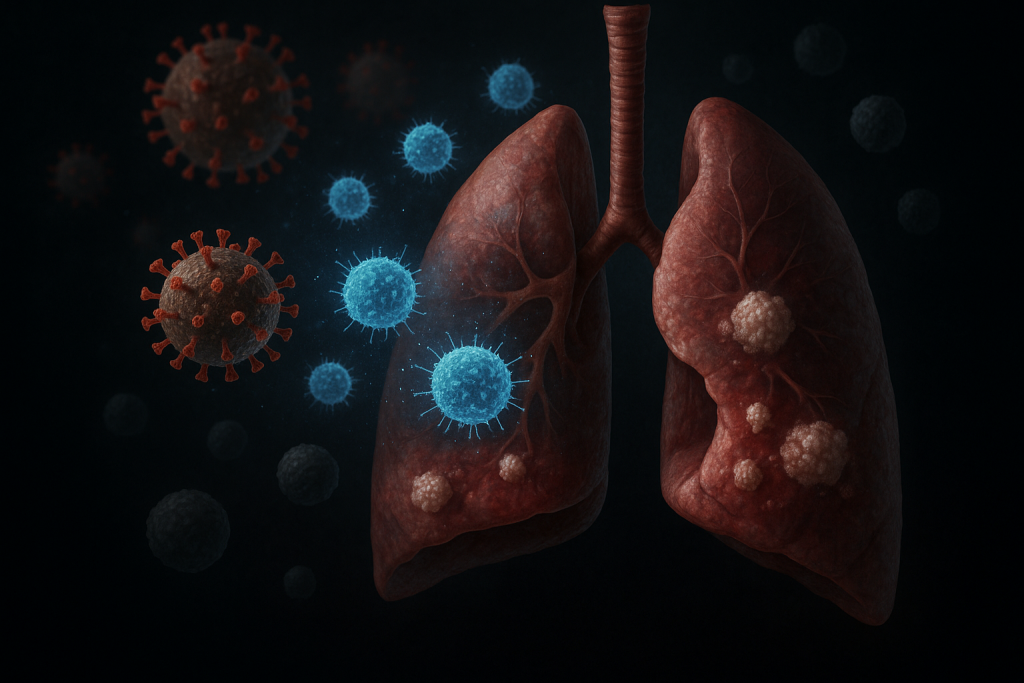
The article investigates the relationship between respiratory viral infections and lung metastasis, focusing on the role of Type I interferons (IFN-I), which are signaling proteins released by the immune system in response to viral infections. The findings suggest that IFN-I produced during respiratory viral infections can impair the ability of circulating cancer cells to establish new metastatic colonies in the lungs. This indicates that the antiviral immune response may have an incidental anti-tumor effect by creating a hostile microenvironment for metastatic initiation.
Why it matters
Understanding how naturally occurring antiviral immune responses interfere with metastatic seeding could open new therapeutic avenues, potentially informing the development of IFN-I-based strategies to prevent or reduce lung metastasis in cancer patients.
Understand the Science