AI Insight
Research published in AGU's Eos indicates that sediment transport in U.S. rivers is becoming increasingly concentrated into shorter, more intense episodes rather than occurring steadily over time. This "burstier" pattern means that larger volumes of sediment are being moved during brief periods, likely associated with more extreme precipitation and flood events. The shift represents a fundamental change in how rivers transport materials from land to sea.
Why it matters
This trend has significant implications for flood management, infrastructure design, water quality, and ecosystem health, as concentrated sediment pulses can cause more rapid channel erosion, damage to structures, and disruption to aquatic habitats. Understanding this shift is critical for adapting water resource management strategies to changing hydrological conditions.
Understand the Science
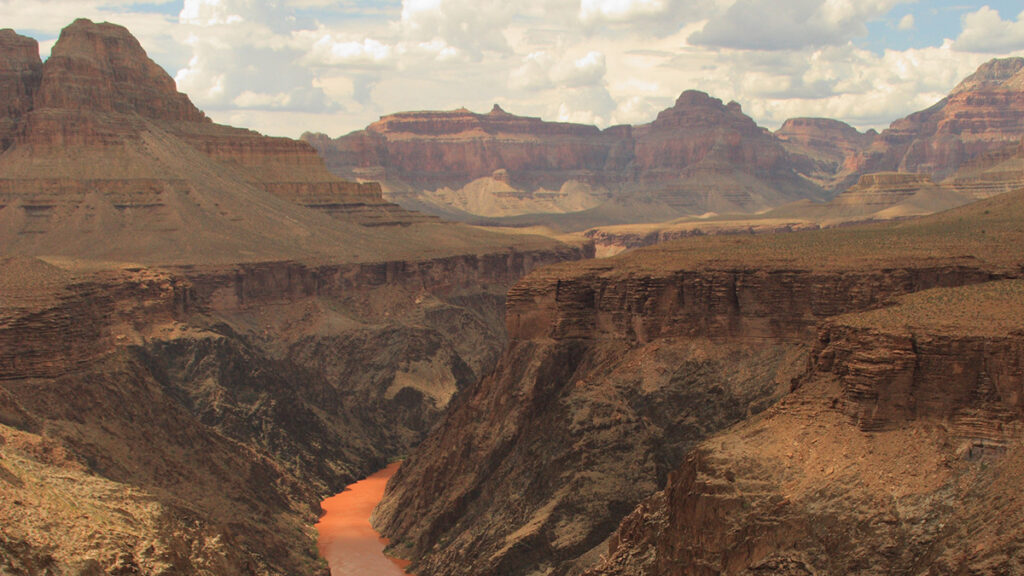
—Emily Gardner (@emfurd.bsky.social), Deputy Editor
Citation: Gardner, E. (2026), U.S. river sediment transport is becoming “burstier,” Eos, 107, https://doi.org/10.1029/2026EO260342. Published on 30 October 2026.
Text © 2026. The authors. CC BY-NC-ND 3.0
Except where otherwise noted, images are subject to copyright. Any reuse without express permission from the copyright owner is prohibited.
Source: U.S. River Sediment Transport Is Becoming “Burstier”