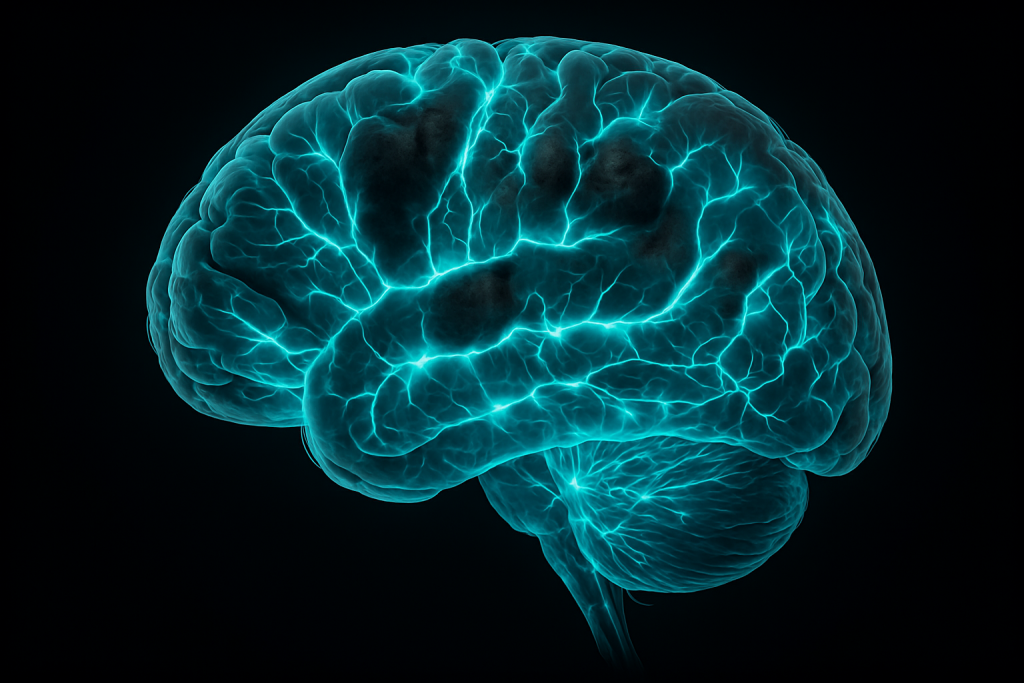
Image generated by AI
Every eleven seconds, someone in the world experiences a stroke. Yet stroke is just one of hundreds of neurological conditions that silently reshape human lives—from Alzheimer’s disease, which erases memories cell by cell, to Parkinson’s disease, which slowly steals the ability to move. The brain, that three-pound universe of roughly 86 billion neurons firing in intricate patterns, remains one of science’s most formidable frontiers. What makes neurological diseases so devastating, and what are scientists finally learning about how to combat them?
Neurological diseases now represent the leading cause of disability globally, according to the World Health Organization, affecting more than one billion people. As our population ages and lifespans extend, these conditions increasingly demand our attention—not merely as medical curiosities but as urgent public health challenges. Understanding the mechanisms behind these diseases, and the cutting-edge approaches to treating them, has never been more vital to our collective future.
What Is Neurological Diseases and Brain Health?
Neurological diseases encompass any disorder affecting the brain, spinal cord, or peripheral nerves—the vast communications network that allows us to think, feel, move, and survive. These conditions range from acute crises like stroke and traumatic brain injury to chronic degenerative diseases like Alzheimer’s, from epilepsy to multiple sclerosis, from Parkinson’s to amyotrophic lateral sclerosis (ALS). What unites them is that they all disrupt the delicate electrochemical symphony that keeps our nervous system functioning. The field of brain health extends beyond disease to encompass the broader conditions necessary for optimal cognitive function, emotional resilience, and neurological well-being across the lifespan.
The modern era of neurology began in earnest during the 19th century, when pioneers like Santiago Ramón y Cajal used the newly developed Golgi stain to reveal that the brain was composed of individual cells—neurons—rather than a continuous network. This foundational discovery fundamentally changed how scientists understood neurological disease. By the early 20th century, researchers had identified major conditions like Parkinson’s disease and Alzheimer’s disease, described by Alois Alzheimer in 1906 when he observed plaques and tangles in the brain of a deceased patient with dementia. Yet for most of the past century, neurological diseases remained largely untreatable mysteries, their underlying mechanisms hidden within the brain’s remarkable complexity.
What the Research Shows
Modern neuroscience has revealed that most neurological diseases operate through a surprisingly consistent set of cellular mechanisms, even when their symptoms differ dramatically. Protein misfolding—the process by which proteins adopt incorrect three-dimensional shapes—emerges as a central culprit across many conditions. In Alzheimer’s disease, the protein beta-amyloid accumulates into plaques between neurons, while tau protein forms tangles within them, disrupting communication and triggering neuronal death. In Parkinson’s disease, a protein called alpha-synuclein misfolds and aggregates, particularly in neurons that produce dopamine, the neurotransmitter essential for smooth movement. This protein-centric view has revolutionized how researchers approach neurological disease, suggesting that understanding protein behavior might unlock treatments for multiple conditions simultaneously.
Think of neurons as sophisticated communication towers, and proteins as the maintenance workers keeping everything operational. When these workers malfunction and begin stacking up incorrectly—like dominoes beginning to fall—the entire system starts to fail. In Alzheimer’s, this protein accumulation acts like scar tissue building up around the brain’s most critical processing centers, eventually choking off crucial signals. In ALS, the protein TDP-43 misfolds and accumulates specifically in motor neurons, the cells controlling movement, like an invasion slowly consuming a city from within. This mechanistic understanding has allowed researchers to develop drugs that target protein misfolding directly, rather than treating only symptoms.
What This Means for Patients and Science
The identification of common molecular mechanisms across diverse neurological diseases has opened therapeutic possibilities that seemed impossible just a decade ago. Monoclonal antibodies—laboratory-engineered proteins that target specific pathological molecules—now offer genuine hope for diseases previously considered untreatable. Aducanumab and lecanemab, approved for Alzheimer’s disease, work by binding to amyloid-beta and facilitating its removal from the brain, marking the first disease-modifying treatments that actually slow cognitive decline. Deep brain stimulation, a surgical technique involving implanted electrodes, has proven effective not only for Parkinson’s disease but increasingly for treatment-resistant depression and obsessive-compulsive disorder. Gene therapy approaches, once purely theoretical, are now entering clinical trials for genetic neurological conditions like spinal muscular atrophy and certain forms of inherited retinal disease.
Medical centers worldwide are implementing precision medicine approaches that tailor neurological treatment to individual genetic and biomarker profiles rather than relying on one-size-fits-all protocols. Neuroimaging technologies—including advanced MRI sequences and PET scans that visualize protein accumulation—now allow earlier diagnosis before significant brain damage occurs. Pharmaceutical companies have shifted from developing drugs treating only symptoms to developing disease-modifying agents that address underlying pathology. Rehabilitation robotics and brain-computer interfaces are expanding possibilities for patients with paralysis and movement disorders, while cognitive rehabilitation programs leverage neuroplasticity to help patients recover function after stroke or traumatic brain injury.
Recent Breakthroughs in Neurological Diseases and Brain Health
The past three years have witnessed remarkable acceleration in neurological disease understanding and treatment. In 2023, the FDA approved lecanemab for early Alzheimer’s disease based on compelling evidence that it slowed cognitive decline by 27 percent over 18 months—the most significant cognitive benefit demonstrated in Alzheimer’s trials to date. Simultaneously, researchers have identified blood biomarkers—measurable indicators in blood rather than requiring invasive spinal fluid collection—that can detect Alzheimer’s pathology years before symptoms emerge, potentially revolutionizing screening and early intervention. The discovery of new genetic risk factors through large genome-wide association studies has illuminated unexpected pathways in neurodegeneration, suggesting that immune system dysfunction and inflammatory processes play larger roles than previously recognized.
Researchers are actively pursuing immunotherapy approaches that harness the immune system to clear pathological proteins, with multiple candidates in clinical trials for Parkinson’s and Alzheimer’s diseases. The field is investigating whether targeting neuroinflammation—the brain’s immune response—might slow disease progression across multiple conditions. Advanced organoid models, miniature three-dimensional brain tissues grown from human stem cells, are allowing researchers to test drugs in human neural tissue before clinical trials. Artificial intelligence is accelerating drug discovery by analyzing vast datasets to identify novel therapeutic targets and predict which patients will respond to specific treatments.
Why Neurological Diseases and Brain Health Matters for the Future
The global burden of neurological disease continues expanding as populations age, with projections suggesting that dementia alone could affect 150 million people by 2050. Beyond the tragic human costs, neurological diseases impose staggering economic burdens—Alzheimer’s disease alone costs the United States healthcare system nearly $400 billion annually. The convergence of aging populations in developed nations and increasing prevalence in developing countries means that neurological disease represents perhaps the defining public health challenge of the 21st century. Solving these puzzles requires sustained investment, international collaboration, and fundamental breakthroughs in our understanding of how the brain ages and deteriorates.
However, significant challenges remain before neurological diseases can be widely controlled. Most approved treatments work only for early-stage disease and provide modest benefits; we still lack transformative cures. The blood-brain barrier, which protects the brain from toxins, also blocks most therapeutic molecules from entering, requiring creative delivery strategies. Long disease latency periods—the decades between when pathological changes begin and symptoms appear—complicate clinical trials and make prevention difficult to study. Additionally, the enormous heterogeneity in neurological disease means that what works for one patient may fail for another, requiring personalized approaches that are expensive and complex to develop.
Key Takeaways
- Neurological diseases affect over one billion people globally and represent the leading cause of disability, making them a critical focus of modern medicine.
- Protein misfolding and accumulation emerge as a central mechanism across diverse neurological conditions, from Alzheimer’s to Parkinson’s to ALS.
- Disease-modifying treatments like monoclonal antibodies and gene therapies now offer genuine hope where none existed previously, with lecanemab showing meaningful slowing of Alzheimer’s progression.
- Blood biomarkers and advanced neuroimaging enable detection of neurological disease years before symptoms appear, opening possibilities for preventive intervention.
- As populations age, neurological disease will likely become the defining healthcare challenge of coming decades, requiring sustained research investment and innovative therapeutic approaches.
Frequently Asked Questions
How do the 86 billion neurons in the brain communicate to produce thought and movement?
Neurons communicate through electrochemical signals that fire across synapses, creating intricate patterns of neural activity that enable cognition, sensation, and motor control. These firing patterns form the biological basis of all brain functions, from memory to voluntary movement.
What cellular mechanism causes Alzheimer's disease to erase memories?
Alzheimer's involves the accumulation of amyloid-beta plaques and tau tangles that damage and kill neurons, particularly in brain regions responsible for memory formation and storage. This progressive neuronal death disrupts the synaptic connections needed to encode and retrieve memories.
Why does Parkinson's disease progressively impair movement and motor control?
Parkinson's results from the degeneration of dopamine-producing neurons in the substantia nigra region of the brain, leading to dopamine deficiency. Dopamine is essential for coordinating smooth, voluntary movements, so its loss causes the tremors, rigidity, and movement difficulties characteristic of the disease.
How does a stroke cause neurological damage within seconds or minutes?
A stroke occurs when blood flow to the brain is blocked, depriving neurons of oxygen and glucose, which triggers rapid cell death within minutes. This sudden loss of neurons in the affected brain region results in immediate loss of function in the body parts controlled by that area.