AI Insight
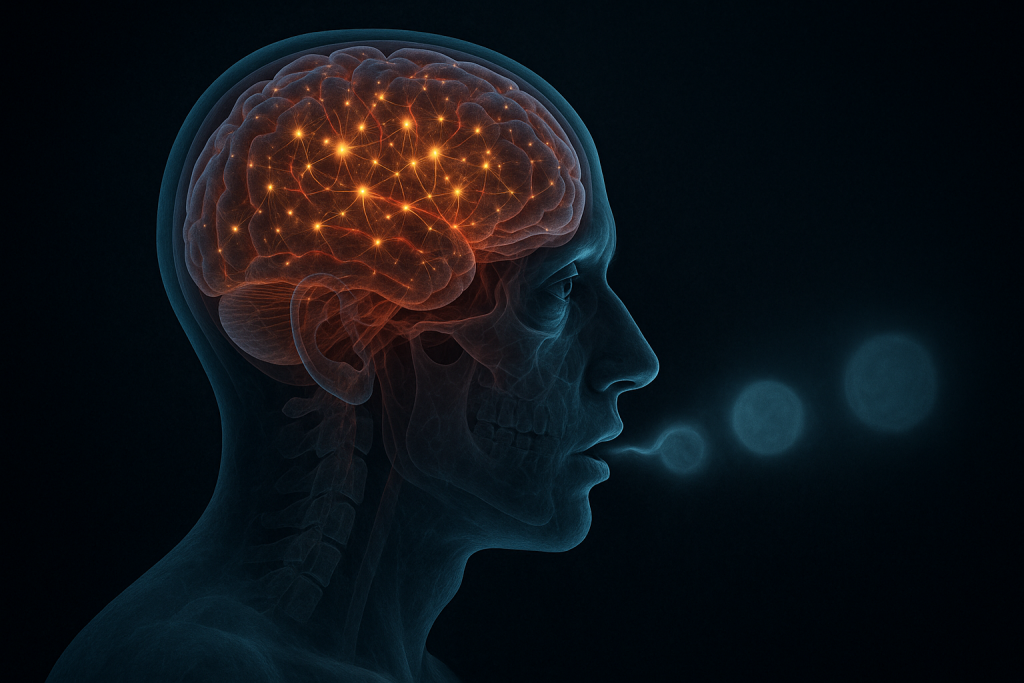
Researchers have found that natural speech patterns, including hesitations, filler words, and word-finding difficulties, are closely linked to executive function, the cognitive system responsible for memory, planning, attention, and mental flexibility. Using artificial intelligence to analyze everyday conversations, the team was able to predict individuals' cognitive performance with notable accuracy. These findings suggest that speech analysis may serve as a non-invasive indicator of cognitive decline.
Why it matters
If validated at scale, AI-driven speech analysis could enable early detection of dementia risk through routine conversations, potentially years before symptoms become apparent through conventional clinical testing. This could lead to earlier interventions and reduce the diagnostic burden on healthcare systems.
Understand the Science
The little pauses, “ums,” and moments when you struggle to find the right word may reveal far more about your brain than anyone realized. Researchers discovered that everyday speech patterns are closely tied to executive function — the mental system that powers memory, planning, focus, and flexible thinking. By using AI to analyze natural conversations, the team found they could predict cognitive performance with surprising accuracy, potentially opening the door to simple speech-based tools that could detect early signs of dementia long before traditional testing does.
Source: Your “um” and pauses could reveal early dementia risk