AI Insight
NASA's SkyFall mission is testing ground-penetrating radar antennas in preparation for a planned Mars aerial exploration program. The mission will deploy three aircraft, each equipped with four instruments, building on the success of the Ingenuity Mars Helicopter which completed 72 flights and demonstrated the viability of powered flight in Mars' thin atmosphere. Testing is currently underway at NASA's Jet Propulsion Laboratory, with the mission scheduled to launch aboard NASA's Space Reactor-1 Freedom in late 2028.
Why it matters
This mission represents a significant advancement in Martian exploration capabilities, expanding beyond single-helicopter demonstrations to multiple aircraft that can provide aerial reconnaissance and assist ground rovers in route planning and scientific site selection, potentially accelerating the pace of Mars surface exploration.
Understand the Science
Antenna Testing for NASA’s SkyFall Mission

NASA/JPL-Caltech
Description
SkyFall ground-penetrating radar engineer Maya Román connects a coaxial cable to a test antenna in the Environmental Test Lab’s electromagnetic interference testing chamber at NASA’s Jet Propulsion Laboratory in Southern California.
The antenna was pointed up during test to minimize reflections and interferences with the antenna pattern during the measurement.
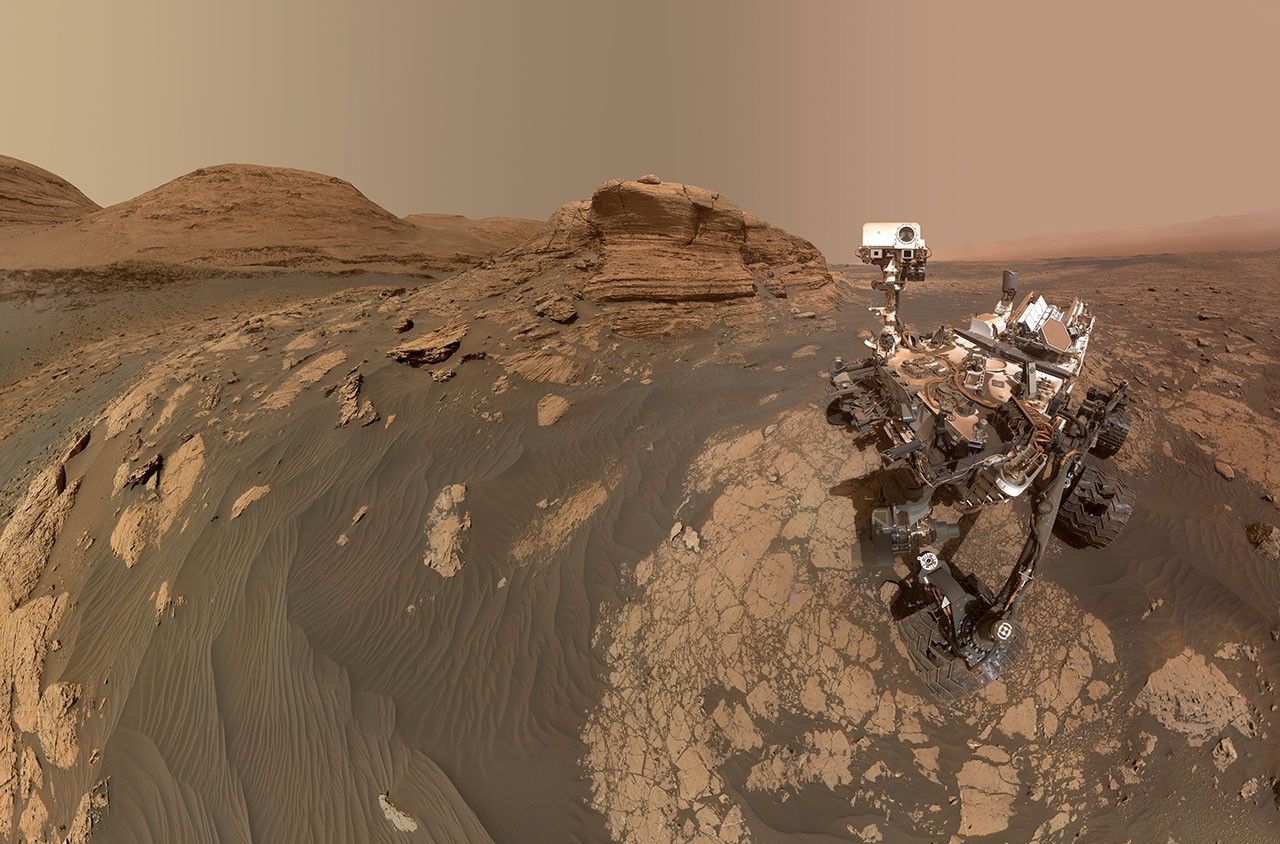
Equipped with four instruments each, the three SkyFall aircraft will follow in the footsteps of the agency’s Ingenuity Mars Helicopter, which flew 72 times over nearly three years, proving that powered, controlled flight is possible in the rarefied Martian atmosphere. It also demonstrated how an aerial perspective can generate valuable data by helping NASA’s Perseverance Mars rover team plan time-saving routes and choose locations for science-gathering.
SkyFall is expected to launch aboard NASA’s Space Reactor-1 Freedom in late 2028.