AI Insight
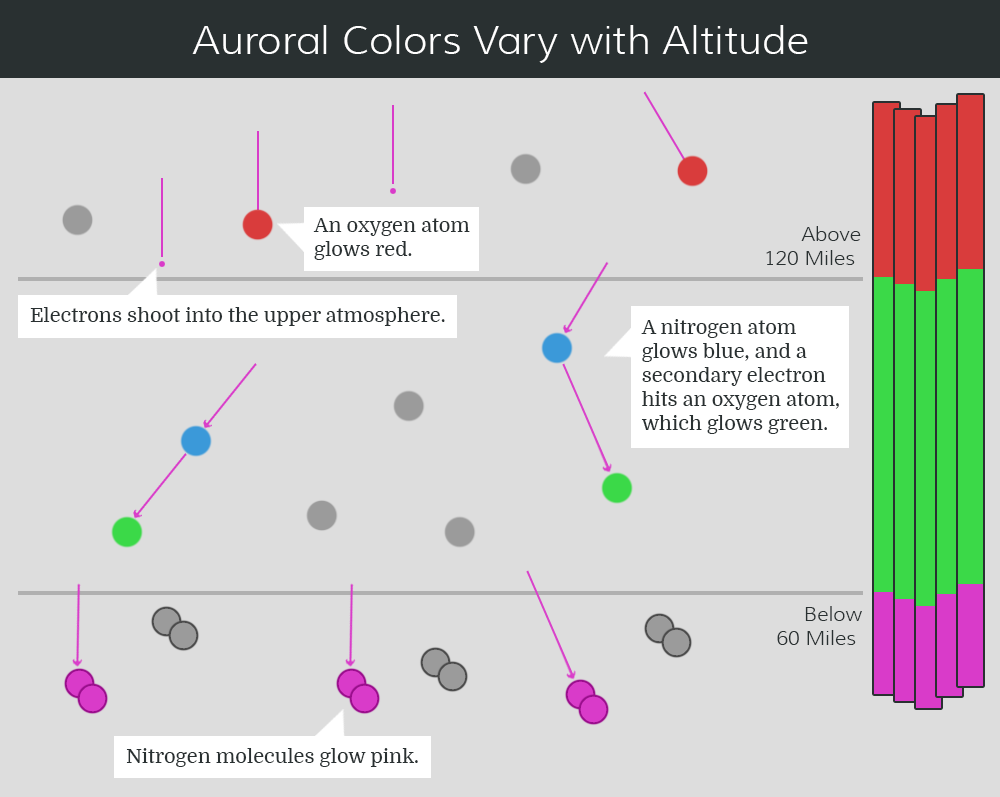
This astronomical photograph captures a colorful aurora borealis display over Iceland's Skógafoss waterfall in a single 5-second exposure taken in April 2025. The aurora phenomenon results from charged particles in the solar wind being captured by Earth's magnetosphere and directed toward the poles, where they collide with atmospheric gases. The different colors observed—red and green from oxygen, blue and pink from nitrogen—indicate interactions with different gases at varying altitudes in the atmosphere.
Why it matters
This image demonstrates the visual accessibility of auroral phenomena during periods of high solar activity and provides educational insight into the physics of Earth's magnetosphere and atmospheric composition. The documentation helps inform the public about optimal viewing conditions for auroras, including the requirement for high-latitude locations, dark skies, and elevated solar activity.
Understand the Science
APOD
Astronomy Picture of the Day
Discover the cosmos! Each day a different image or photograph of our fascinating universe is featured, along with a brief explanation written by a professional astronomer.

Colorful Aurora over Icelandic Waterfall
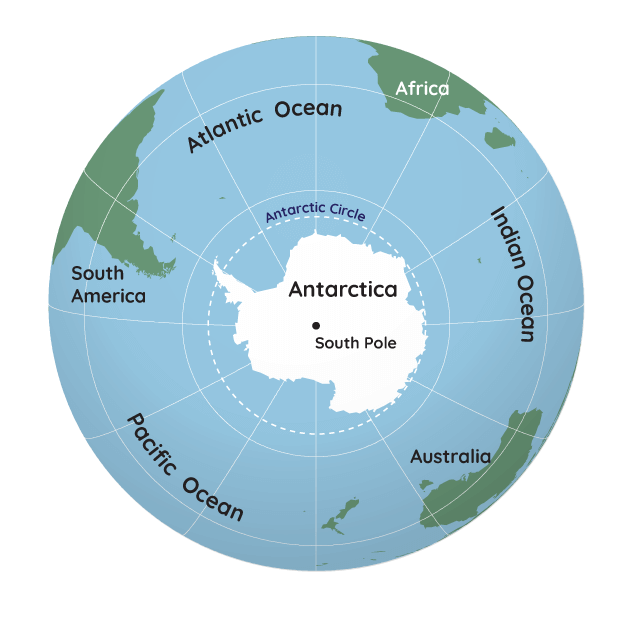
Explanation: What a sight to behold, when a night sky became filled with colors that appeared to rain over the Skógafoss waterfall in Iceland. This image was taken in a single 5 second exposure by the photographer in April 2025. Seeing an aurora is on many people’s bucket lists. But it is not easy. It requires high solar activity, dark and clear skies, and usually a viewing location at high latitude. That makes the northern lights more easily seen than the corresponding southern lights, simply because there is less landmass in the Southern Hemisphere, especially around the Antarctic Circle. Auroras are caused by charged particles from the solar wind that are captured by the Earth’s magnetosphere and guided by the magnetic field to a region close to one of the poles, where they collide with gas particles in the atmosphere. Different colors indicate interactions with different gases at different altitudes, like oxygen (red and green) and nitrogen (blue and pink).
APOD’s main NASA site is moving : From apod.nasa.gov to science.nasa.gov/apod
Tomorrow’s picture: What’s next?
| Date | August 27, 2026 |
|---|---|
| Credit & Copyright | Victor Lima |
| Authors & editors: | Cecilia Chirenti, Robert Nemiroff, Jerry Bonnell, Keighley Rockcliffe |
| A service of: |
ASD at NASA / GSFC, NASA Science Activation & Michigan Tech. U. |
Source: APOD: 2026 August 27 – Colorful Aurora over an Icelandic Waterfall