Breaking the yield–selectivity trade-off in polystyrene waste valorization via tandem depolymerization and hydrogenolysis

Abstract Converting plastic waste into valuable products mitigates plastic pollution and lowers the carbon footprint of naphtha-derived aromatics. However, the difficulties of precisely controlling complex multiphase systems and the catalyst inefficiencies hinder process viability. Here we report a vapour-phase hydrogenolysis strategy catalysed by Ru single atoms on Co3O4 (RuSA/Co3O4), decoupling depolymerization from hydrogenolysis to overcome … Read more
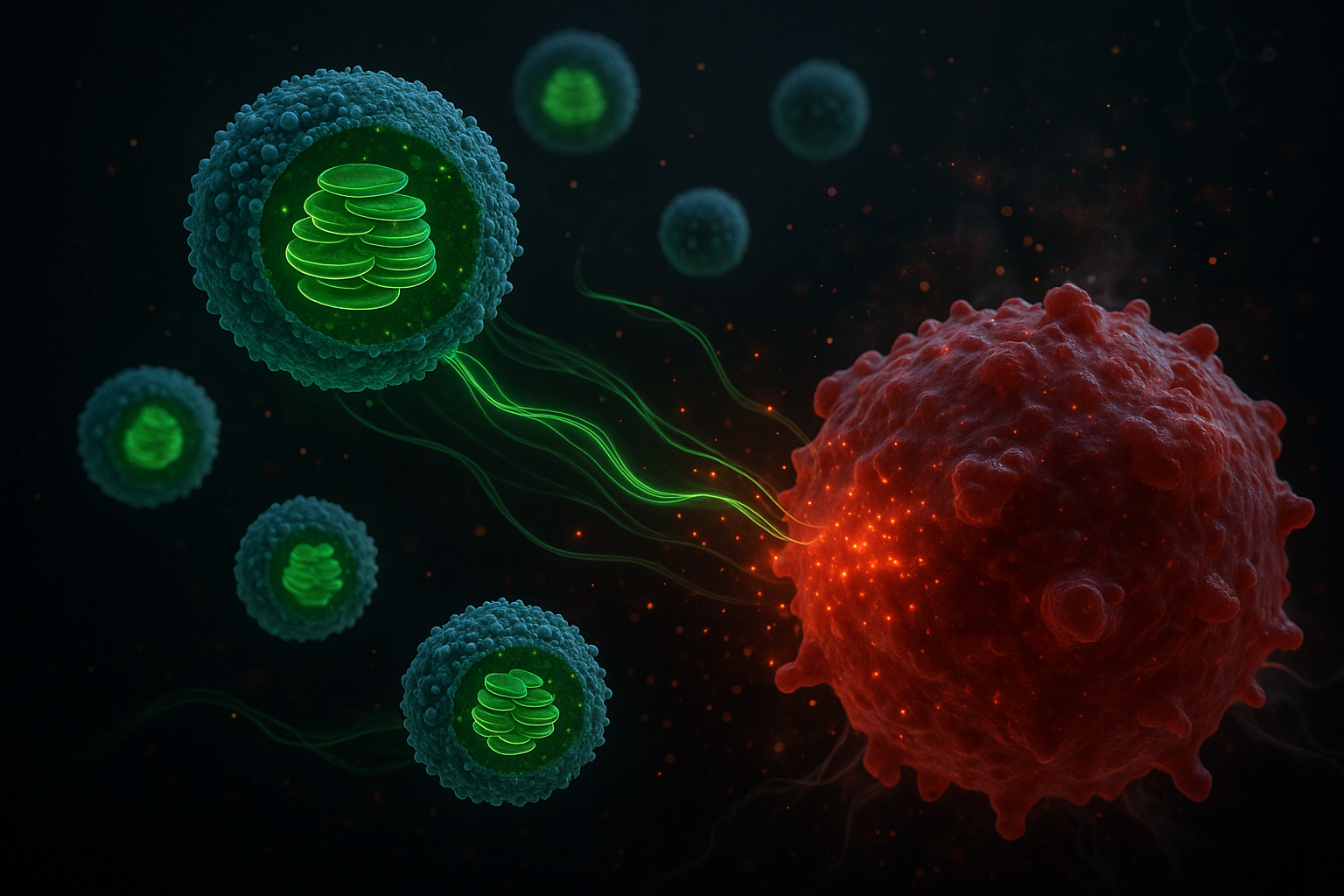
Bioengineered photosynthetic nanothylakoids reshape the inflammatory microenvironment for rheumatoid arthritis therapy

Abstract Reducing individual inflammatory factors does not always translate into clinical efficacy in rheumatoid arthritis (RA), an autoimmune disease characterized by joint inflammation. Proinflammatory M1 macrophages are a key driver of the hyperinflammatory joint microenvironment, which also promotes the progression of RA. Here we show that folate-receptor-targeted photosynthetic nanothylakoid (FA-PEG-NTK)-based phototherapy reprogrammes macrophages from M1 … Read more

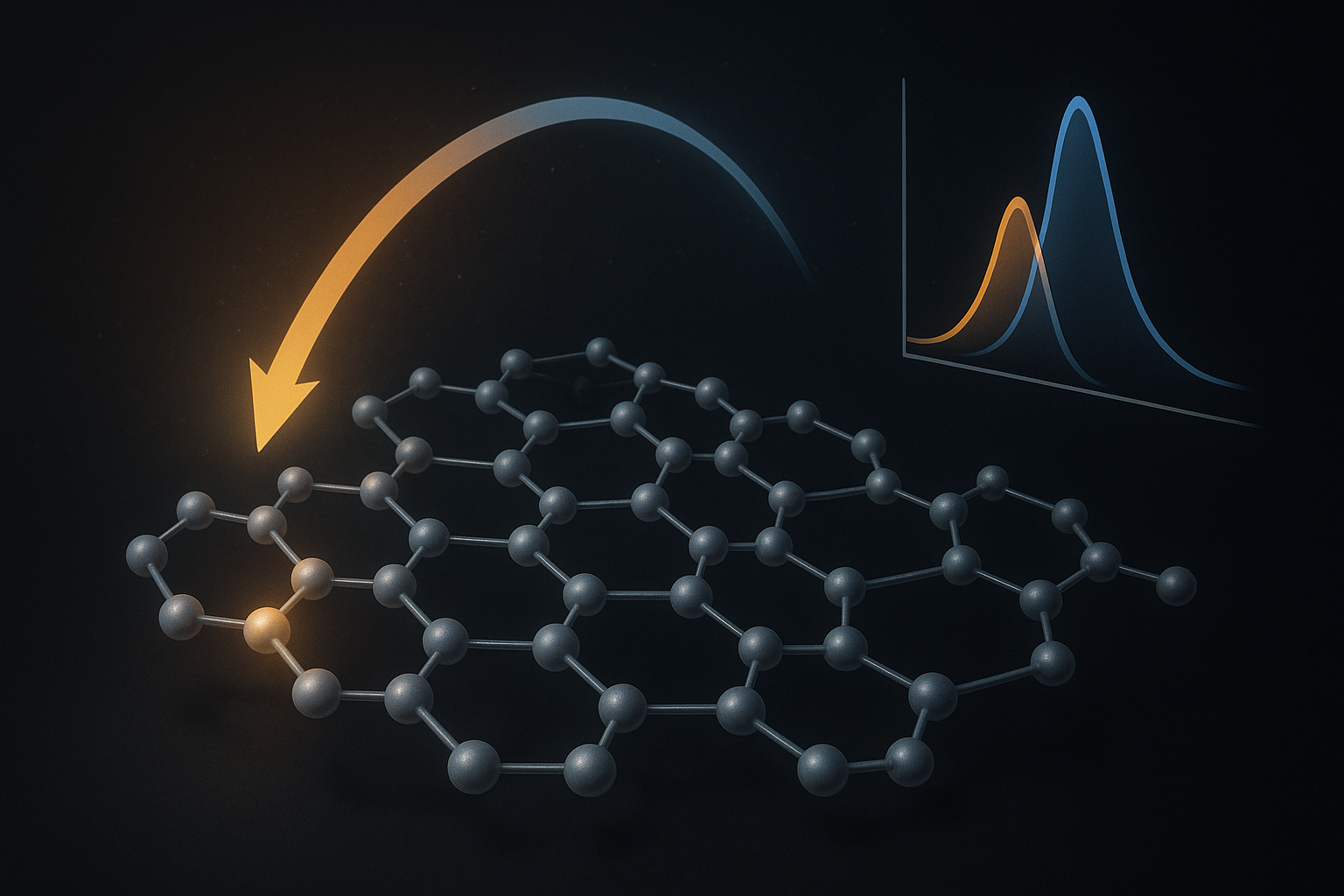
Interpretation of the binding energy shifts in the Mo 3d core-level XPS spectra of molybdenene

Access through your institution Buy or subscribe arising from T. K. Satu et al. Nature Nanotechnology https://doi.org/10.1038/s41565-023-01484-2 (2023) In their Article, Sahu et al. report the production of molybdenene (free-standing nanosheets made of Mo atoms) from MoS2 (ref. 1). While their methodology for preparing molybdenene is praiseworthy, the discussion pertaining to the core-level X-ray photoelectron spectroscopy … Read more