AI Insight
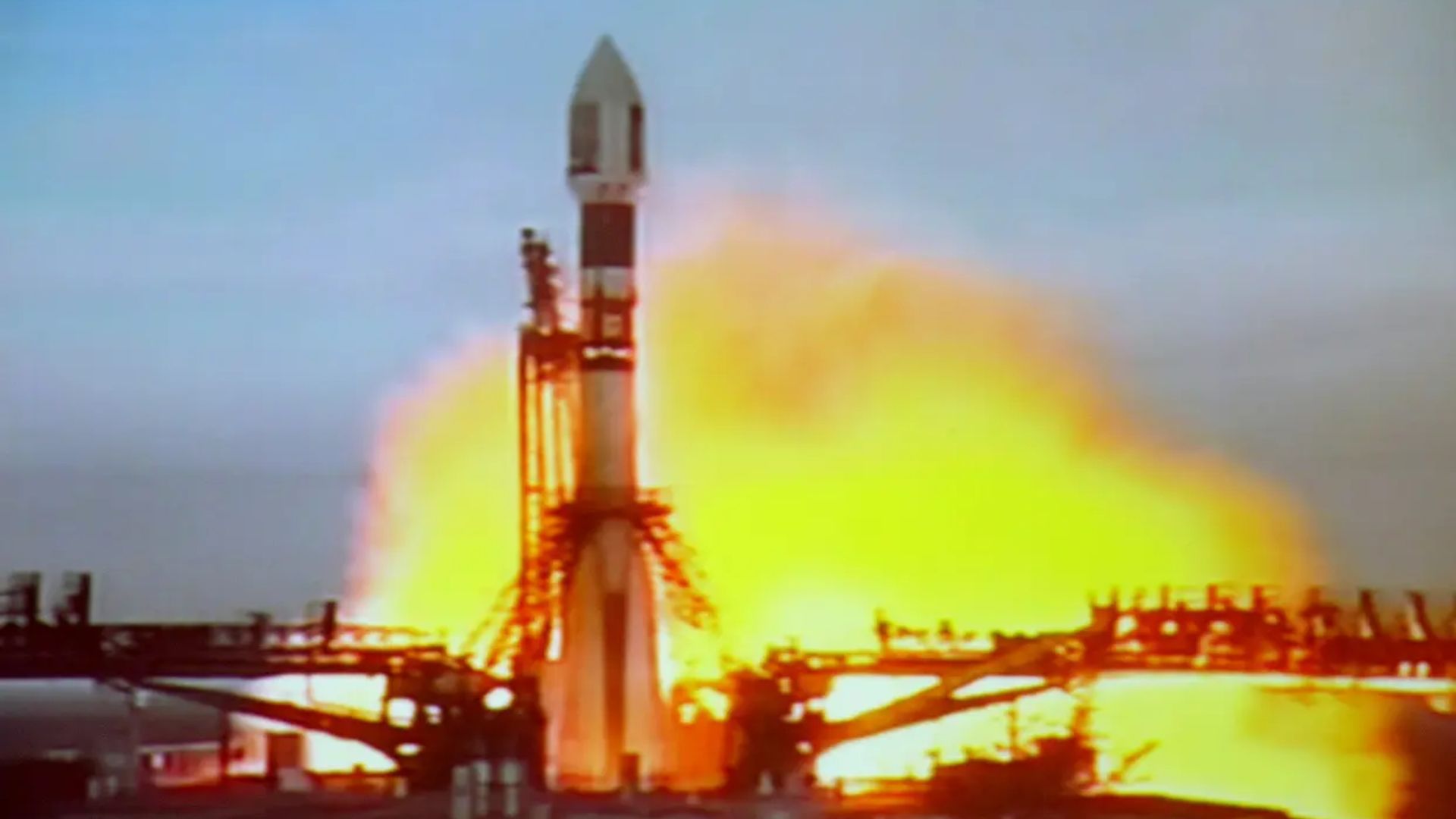
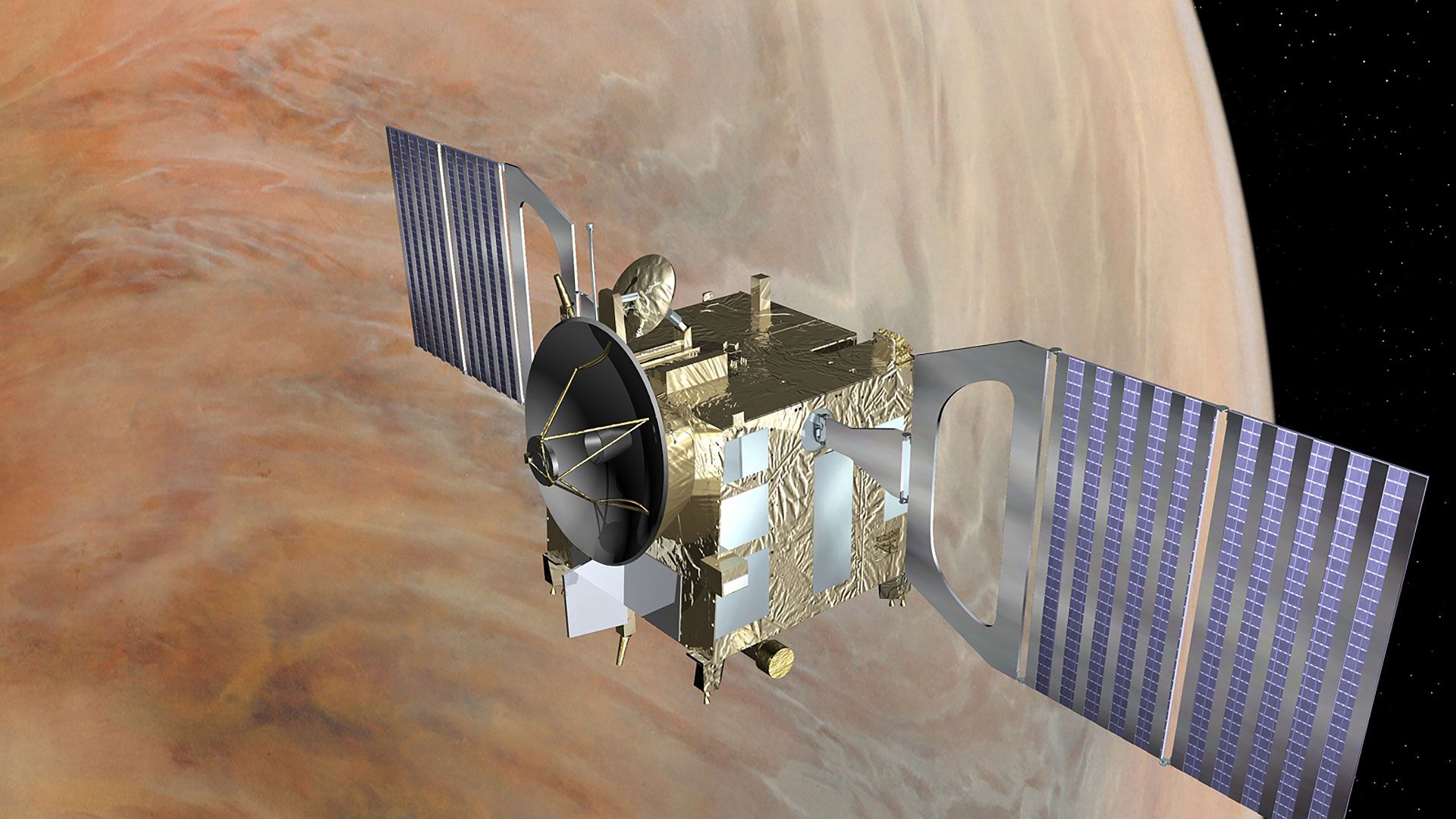
On November 8, 2005, the European Space Agency launched Venus Express, its first mission to Venus, which operated for over nine years until January 2015. The spacecraft made several significant discoveries including a vortex at Venus's south pole, possible evidence of active volcanoes, and self-generated auroras caused by solar particles interacting with the planet's atmosphere. Near the end of its mission, controllers directed the spacecraft to descend into Venus's clouds before it eventually burned up in the atmosphere.
Why it matters
Venus Express established ESA as the third organization to successfully study Venus from orbit, providing crucial data about how Earth-like planets can evolve into inhospitable environments. The mission helps scientists understand planetary climate change and whether Venus once had habitable oceans, offering insights that inform Earth climate models and our understanding of planetary evolution throughout the galaxy.
Understand the Science
On Nov. 8, 2005, Europe launched its first mission to Venus. The spacecraft was called Venus Express.
Venus is a hothouse planet, one where the atmospheric pressure can easily crush an unprotected spacecraft. Even from orbit, Venus Express had to survive harsh radiation. But the spacecraft lasted for more than nine years.
During that time, Venus Express saw a weird vortex swirling around Venus’s south pole. It also saw possible signs of active volcanoes. Venus Express also discovered that the planet generates its own auroras. These auroras happen when particles from the sun hit charged particles in the atmosphere.
Late in the Venus Express mission, controllers told the spacecraft to dip down into Venus’s clouds — even though the spacecraft wasn’t designed to do this. It performed well, but eventually it stopped listening to commands. The spacecraft burned up in the atmosphere in January 2015.
Why it mattered
Venus Express established ESA as the third world organization to successfully send a probe to study Venus, following the United States and Soviet Union. (Japan’s JAXA became the fourth five years later.)
“By studying Venus, scientists learn how Earth-like planets change over time,” reads a summary of the planet’s exploration prepared by The Planetary Society. “Orbital studies [like Venus Express] hint that Venus may have hosted habitable oceans before becoming inhospitable.”
“By studying Venus, we can learn how Earth-like planets evolve and what shapes planets throughout the galaxy into temperate, lush worlds instead of sweltering hothouses. Venus also helps scientists model Earth’s climate, and may serve as a cautionary tale on how dramatically a planet’s climate can change,” wrote the Society.
ESA returned to Venus in 2018 when BepiColombo, its joint mission with JAXA, used the planet’s gravity to redirect its path toward the planet Mercury.
Want more space history? Check out our full On This Day In Space Story archive and watch our On This Day In Space videos on YouTube.
Source: On this day in space! Nov. 8, 2005: Europe launches Venus Express, its first mission to Venus