AI Insight
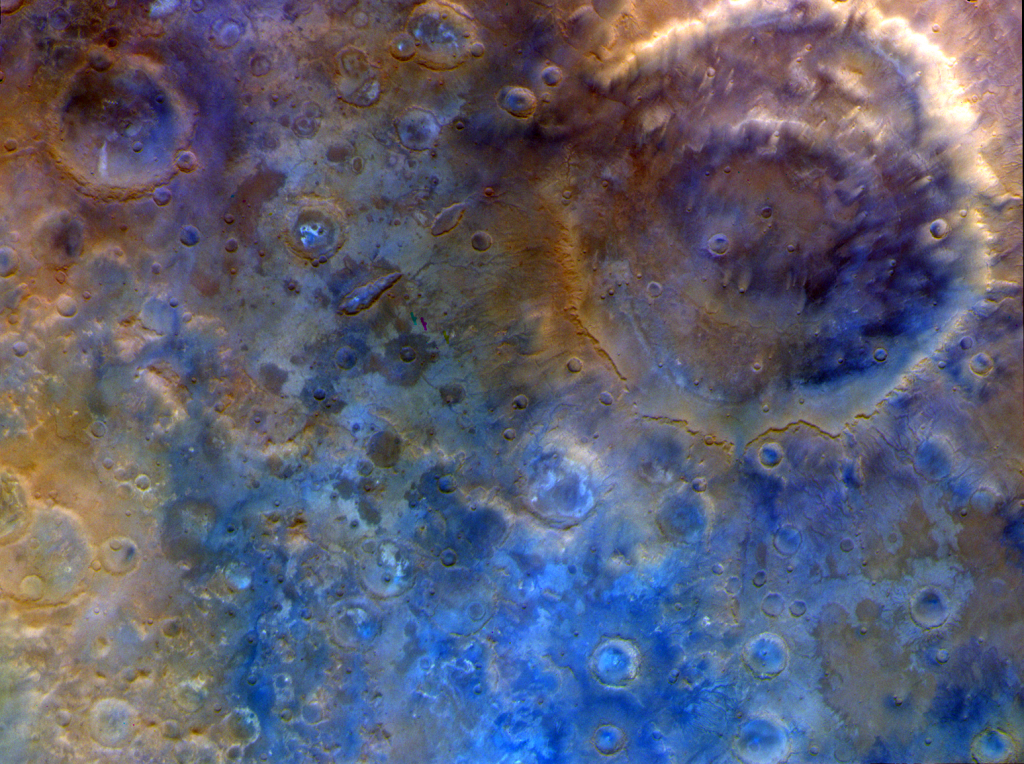
NASA's Psyche spacecraft successfully completed a Mars flyby on May 15, passing within 2,864 miles (4,609 kilometers) of the planet's surface. The maneuver utilized Mars's gravitational field to increase the spacecraft's velocity and adjust its orbital trajectory without expending onboard propellant, a technique known as a gravity assist. The spacecraft captured multispectral images of Mars during the approach, including imagery of the double-ring crater Huygens and the surrounding cratered southern highlands.
Why it matters
The Psyche mission is designed to study a metal-rich asteroid that may represent the exposed metallic core of an ancient planetesimal, which could provide direct observational data about the internal structure of rocky planets such as Earth, information that cannot be obtained through terrestrial drilling or seismic methods alone.
Understand the Science
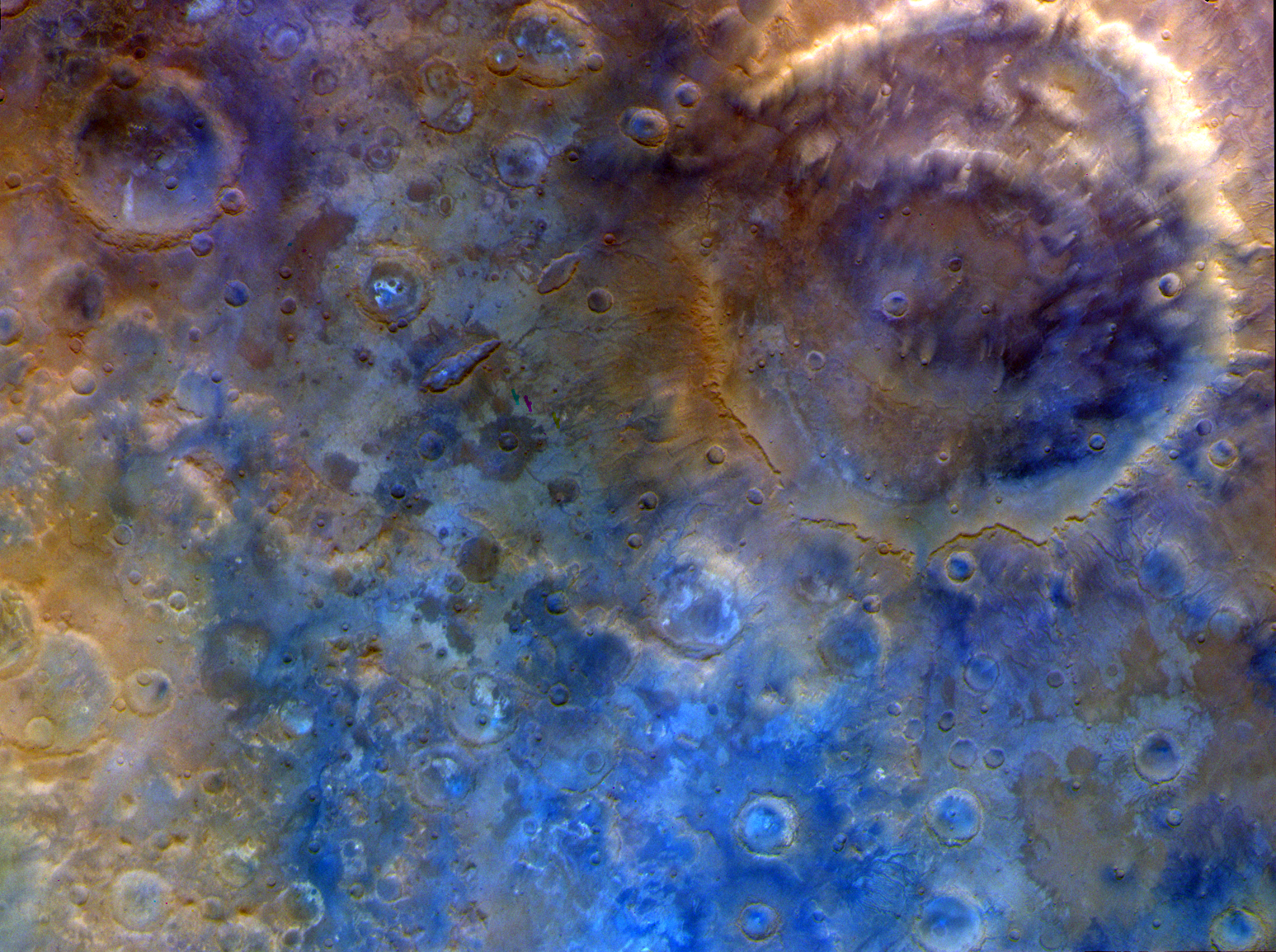
NASA’s Psyche spacecraft completed its close approach of Mars on May 15, coming within 2,864 miles (4,609 kilometers) of the planet’s surface. During the flyby, it took this image and others. This representative color image, captured by Psyche’s multispectral imager instrument, features the double-ring crater Huygens and the surrounding heavily cratered southern highlands.
This flyby used a gravity assist from Mars to provide a critical boost in speed and to adjust the spacecraft’s orbital plane without using any onboard propellant, sending it on its way toward the metal-rich asteroid Psyche. When it arrives in August 2029, it will insert itself into orbit, then map the asteroid and gather science data. If the asteroid proves to be the metallic core of an ancient planetesimal, it could offer a one-of-a-kind window into the interior of rocky planets like Earth.
Learn more about the flyby and see more photos from the event.
Image credit: NASA/JPL-Caltech/ASU