AI Insight
On August 13, 2026, a tailings storage facility (TSF) at the Samancor Dikwena Chrome Mine near Brits, South Africa experienced a catastrophic failure, releasing mining waste materials. Analysis of historical satellite imagery from 2015-2025 reveals the facility underwent significant modifications, including subdivision, raising above adjacent TSFs, and reactivation of previously vegetated sections shortly before failure. The failed section (designated 1b) was notably elevated compared to adjacent storage areas and showed evidence of recent active deposition.
Why it matters
This incident highlights ongoing safety concerns in tailings storage facility management, particularly regarding the structural integrity of raised and modified TSFs. The failure underscores the need for rigorous oversight of mining waste storage infrastructure, especially when facilities are expanded or reactivated after periods of dormancy.
Understand the Science
The Landslide Blog is written by Dave Petley, who is widely recognized as a world leader in the study and management of landslides.
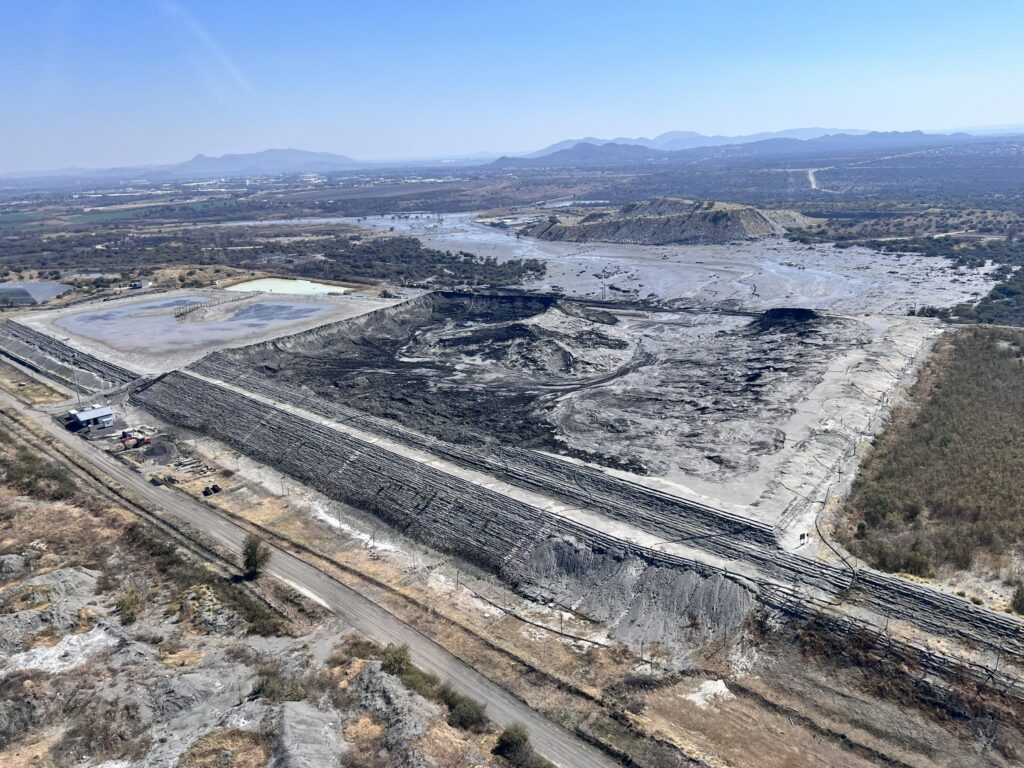
On social media, the Department of Mineral and Petroleum Resources, Republic of South Africa has released two aerial images of the aftermath of the 13 August 2026 tailings storage facility failure at the Semancor Dikwena Chrome Mine in South Africa.
The first shows the tailings storage facility (TSF) itself, including the loss of slimes:-
It is interesting to note the small-scale slope failures on the tailings wall in the foreground (I’d be interested to know if this was expected as part of the design), but also the fact that this TSF has been raised above those on either side.
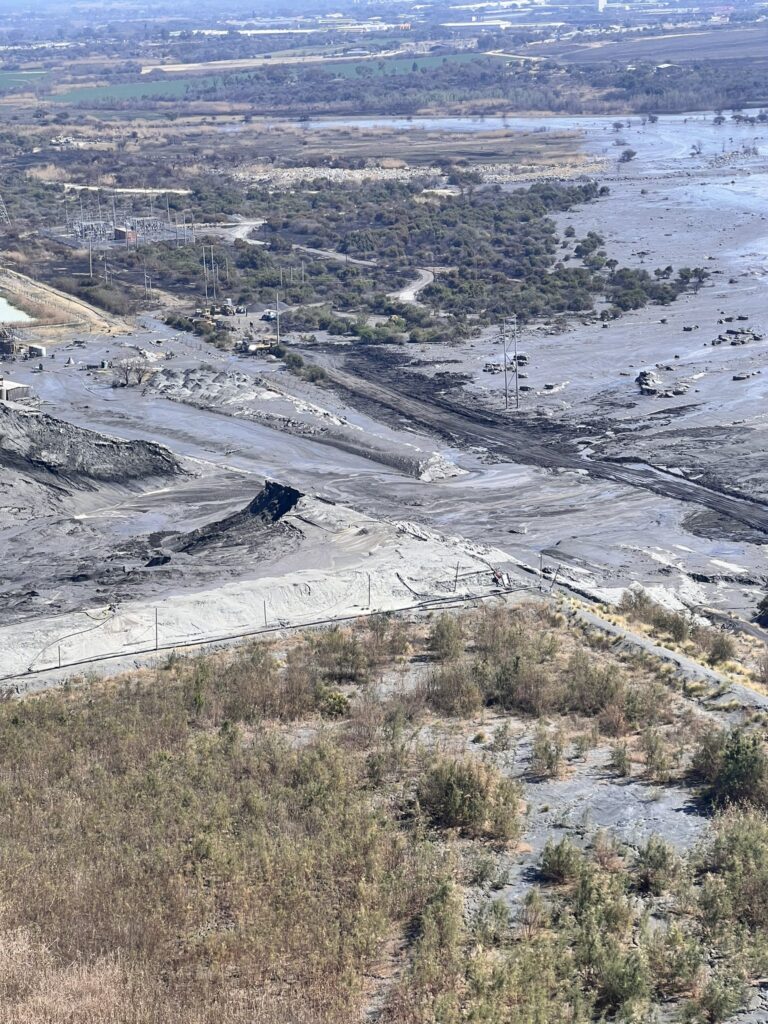
The second shows the breach itself:-
I’m no expert on TSF construction, but this one has a complex history. There is a very detailed archive of images on Google Earth. So for example, this was the facility in August 2015:-
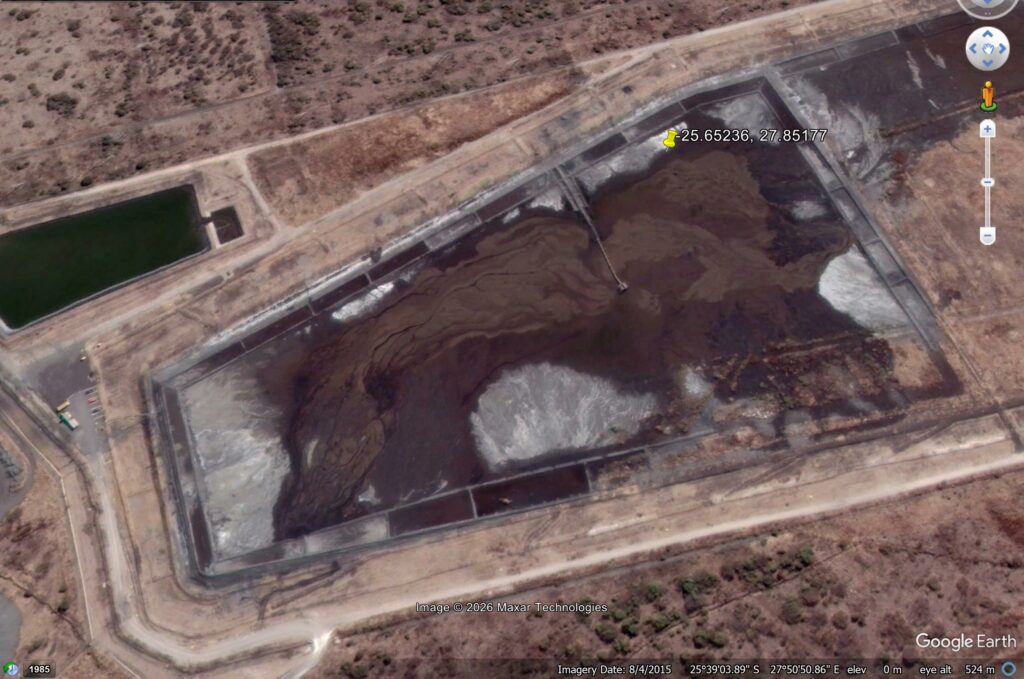
Note that this was a single facility at that stage.
This is the same site in June 2022:-
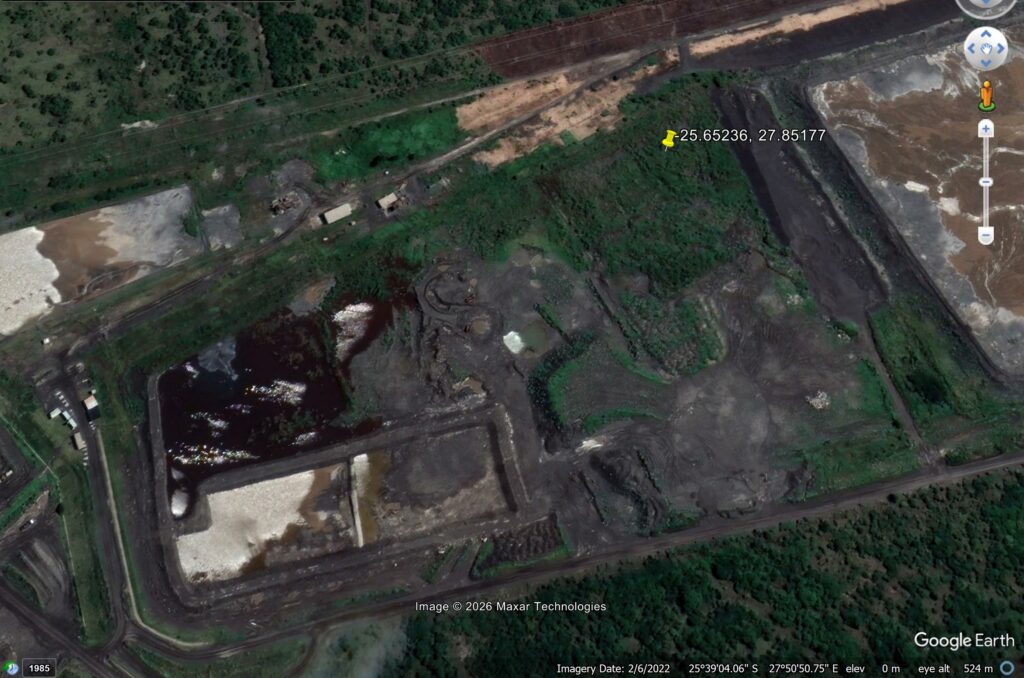
The eastern end of the facility (which failed) had become vegetated with little sign of human activity. There was some work going on at the western end.
If we jump to July 2025, we see the facility had been raised and subdivided, and that active deposition was occurring in both sections. The one that failed (known as 1b) was notably higher than the one to the west.
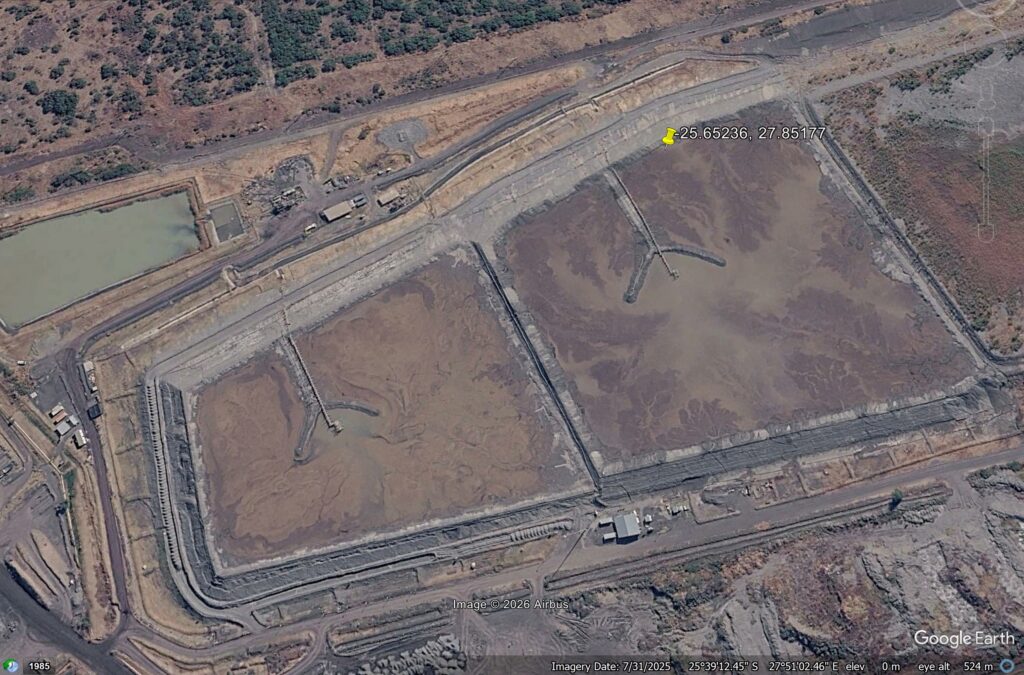
It is good to see that Semancor has taken full responsibility for “the repair of any infrastructure and the rehabilitation of the affected area“, noting of course that the global mining industry does not have a good track record of actually delivering against such commitments.