AI Insight
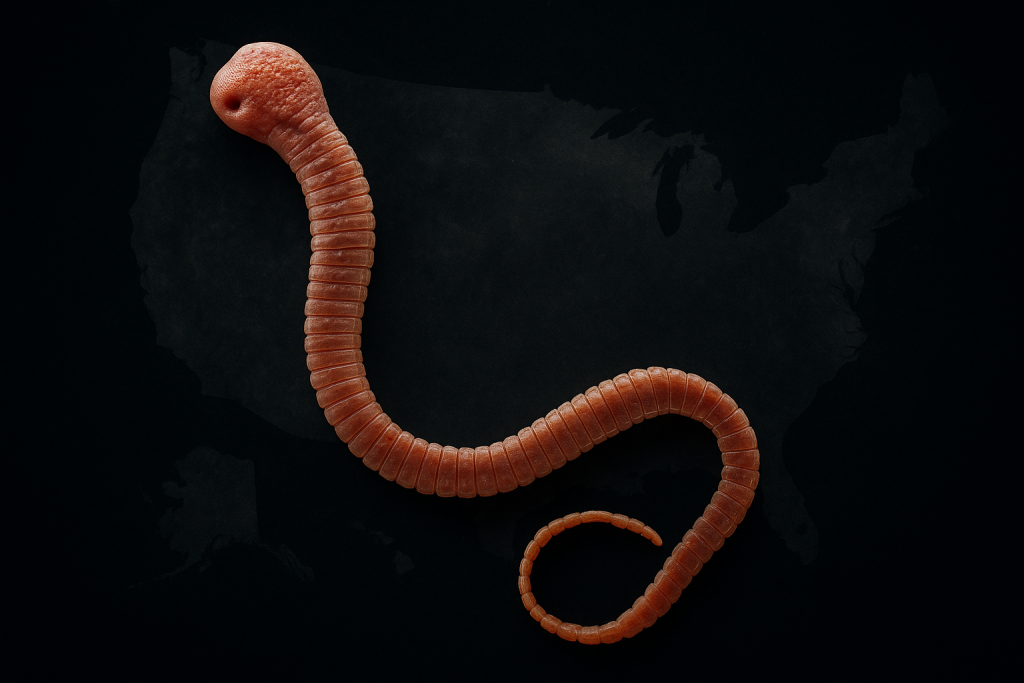
Researchers have detected Echinococcus multilocularis, a tapeworm parasite that causes severe disease in humans, in the Pacific Northwest for the first time in wild animals along the U.S. West Coast. The parasite was found in 37% of tested coyotes around Puget Sound, representing an unexpectedly high prevalence rate in a region where it had not been previously documented.
Why it matters
This discovery indicates the geographic expansion of a parasite that can cause alveolar echinococcosis in humans, a serious condition that resembles cancer and can be fatal if untreated. The high infection rate in coyotes suggests potential increased risk of transmission to domestic animals and humans in the region.
A potentially dangerous tapeworm linked to severe, cancer-like disease has now been found in the Pacific Northwest, marking its first detection in wild animals along the U.S. West Coast. Researchers discovered the parasite, Echinococcus multilocularis, in 37% of coyotes tested around Puget Sound—a surprisingly high rate for a region where it had never been reported until recently.
Source: The deadly tapeworm spreading across America has reached the Pacific Northwest