AI Insight
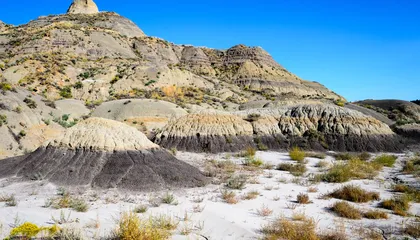
The Hell Creek Formation, spanning parts of Montana, North Dakota, South Dakota, and Wyoming, is one of the most significant Late Cretaceous fossil deposits in North America, preserving organisms from approximately 66 to 68 million years ago. The formation has yielded critical specimens including Tyrannosaurus rex skeletons, early flowering plants, and diverse fauna that provide insight into the ecosystem immediately before the end-Cretaceous mass extinction event. These discoveries have substantially advanced scientific understanding of Cretaceous biodiversity, food webs, and the environmental conditions that preceded one of Earth's most consequential extinction events.
Why it matters
The Hell Creek Formation serves as a primary reference point for understanding the ecological dynamics of the Late Cretaceous period, informing ongoing research into mass extinction mechanisms and evolutionary transitions. Its continued excavation contributes to public scientific literacy and supports paleontological methodology development applicable to other fossil sites worldwide.
Understand the Science
From preserved plants to T. rex, the material found in these Late Cretaceous rocks has resulted in countless breakthroughs for paleontologists