AI Insight
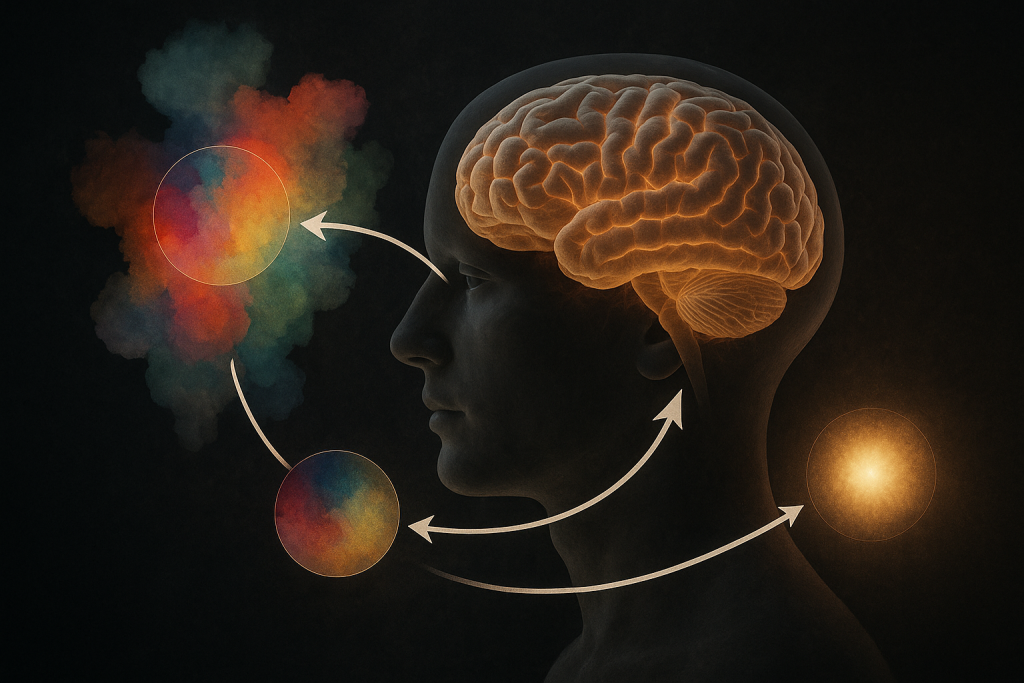
This study of 558 college students found that openness to experience does not directly influence well-being, but instead operates indirectly through art-related aesthetic perception and needs. Two mediating pathways were identified: one through aesthetic needs alone, and another through the sequential effect of aesthetic perception leading to aesthetic needs, which then promote both subjective and psychological well-being. The findings suggest that personality traits like openness require intermediary psychological processes related to aesthetic engagement to translate into enhanced well-being.
Why it matters
These results suggest that educational programs aiming to improve student well-being might be more effective by focusing on cultivating aesthetic needs and perceptions rather than assuming personality traits alone drive positive outcomes. The findings could inform interventions that use art-related activities as a mechanism for enhancing college student mental health and life satisfaction.
ObjectivesGrounded in Self-Determination Theory, this study investigated the impact of openness to experience on both subjective and psychological well-being among college students, with a specific focus on the mediating mechanisms of art-related aesthetic perception and needs.MethodsA sample of 558 college students (Mage = 18.40, SD = 1.38) completed standardized assessments. Mediation modeling was employed to test the direct and indirect pathways between personality traits and well-being.ResultsOpenness to experience did not directly predict either dimension of well-being. Instead, it showed indirect associations with well-being through two pathways. (1) The independent mediation of art-related aesthetic needs, and (2) a sequential mediation involving both art-related aesthetic perception and needs.ConclusionThese findings clarify the psychological mechanisms by which aesthetic traits foster well-being, highlighting the critical role of art-related aesthetic needs in translating personality into positive adjustment. While providing cross-sectional evidence, future research should utilize longitudinal designs to confirm causal directions.