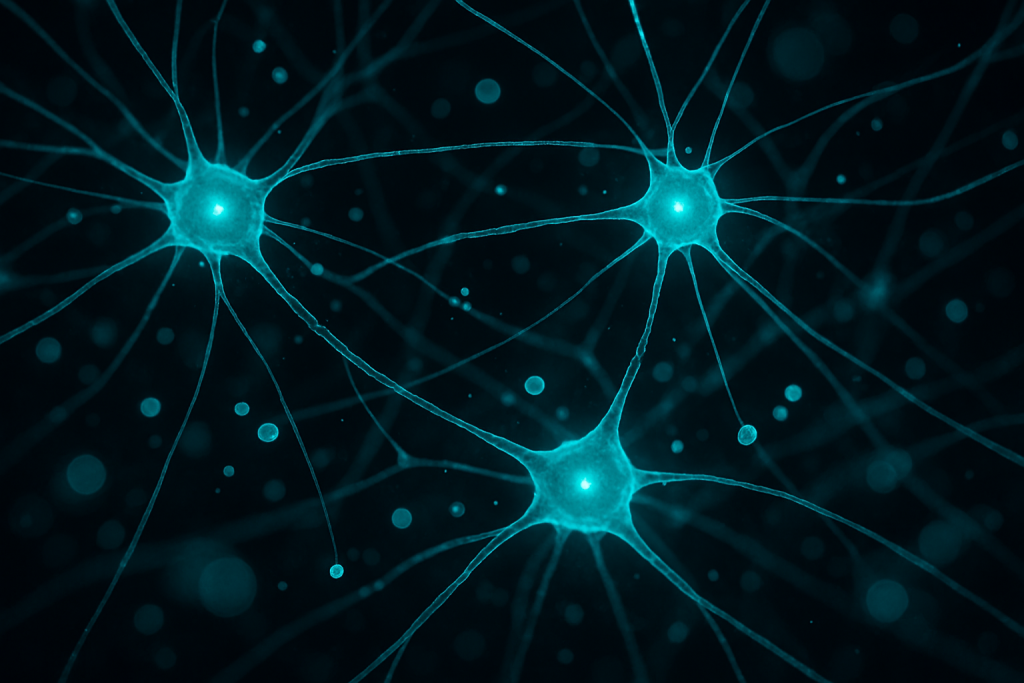
Image generated by AI
When researchers at the University of Chicago measured the impact of loneliness on mortality, they found something startling: the health risk posed by chronic isolation rivals that of smoking fifteen cigarettes a day. Yet for much of modern history, we treated loneliness as a personal failing rather than a biological imperative. The question isn’t whether humans need social connection—evolution has made that abundantly clear—but rather how our brains have been engineered by millions of years of group living to crave it so intensely that its absence becomes literally dangerous.
We live in a paradox: never before have we had more tools for connection, yet surveys across developed nations consistently report rising loneliness, particularly among young adults and the elderly. Understanding why we’re wired for social bonds, how loneliness damages our biology, and what the science suggests about meaningful connection has become urgent public health knowledge. From corporate wellness programs to urban design, from mental health treatments to artificial intelligence, the implications of social connection research are reshaping how we organize society.
What Is Social Connection and Loneliness?
Social connection refers to the subjective sense of belonging to a group or community, characterized by meaningful relationships, shared experiences, and the feeling of being understood and valued by others. It’s not simply about the number of people in your life—a person surrounded by colleagues can feel profoundly isolated if those relationships lack depth and reciprocal care. Loneliness, by contrast, is the painful gap between the social connection we have and the connection we desire, a mismatch between expectation and reality that generates genuine psychological distress. Unlike solitude, which is chosen and often restorative, loneliness is involuntary and corrosive, a state in which we feel disconnected even when physically present with others.
The scientific study of loneliness began in earnest during the 1980s, when psychologists Letitia Peplau and Daniel Perlman developed the first rigorous definitions, moving loneliness from a vague emotional complaint into measurable psychological territory. Since then, researchers including John Cacioppo at the University of Chicago pioneered the neurobiological investigation of loneliness, revealing that it wasn’t merely an emotional state but a biological condition with measurable effects on the brain and immune system. This shift—from viewing loneliness as weakness to understanding it as a threat to physical health—has transformed how medical professionals, policymakers, and the public conceptualize social isolation.
What the Science Says
The neurobiology of social connection begins with evolution’s greatest gift: our capacity for theory of mind, the ability to infer what others are thinking and feeling. This cognitive skill emerged because our ancestors who could read social cues survived better—they navigated group hierarchies, formed protective coalitions, and coordinated hunts more effectively. The brain regions supporting this ability, particularly the prefrontal cortex and the temporoparietal junction, consume significant metabolic resources and develop over years of childhood social engagement. When we form meaningful connections, these regions activate in synchrony with others’ brains, a phenomenon called neural resonance that researchers have documented using fMRI imaging during conversations and joint activities.
Think of social connection as a regulatory system for the nervous system itself. Just as physical wounds trigger inflammation and pain signals, social separation activates the same pain pathways in the brain—this isn’t metaphorical but literal. Studies show that social rejection activates the anterior insula and anterior cingulate cortex, regions typically associated with physical pain. Similarly, the secure attachment we form with close relationships dampens activity in the amygdala, our threat-detection center, and activates the parasympathetic nervous system, the body’s calming mechanism. A child held by a caregiver experiences measurably lower cortisol levels; an adult in a strong marriage shows better cardiovascular regulation. The inverse is equally true: chronic loneliness dysregulates the stress response system, keeping cortisol and inflammatory markers elevated, priming the body for threats that never materialize.
The molecular mechanisms underlying this process involve oxytocin, often called the bonding hormone, which facilitates trust and reduces fear responses, and dopamine, which rewards social engagement through our brain’s pleasure centers. But loneliness also triggers a subtle rewiring: a lonely brain becomes hypervigilant to social threat, more likely to interpret ambiguous social cues as rejecting or hostile. This creates a vicious cycle—the lonely person becomes more defensive and withdrawn, confirming their worst fears about how others perceive them. The British psychologist Pamela Qualter has shown that lonely children develop social skills deficits not because they lack social opportunity but because their threat-sensitive nervous systems misread social signals, leading to fewer friendships and deeper isolation.
How This Affects Everyday Life
The health consequences of chronic loneliness rival major medical risk factors. A landmark 2015 meta-analysis by Julianne Holt-Lunstad synthesizing data from over three million individuals found that loneliness increases mortality risk by 26 percent and social isolation by 29 percent—effects comparable to smoking, obesity, and physical inactivity. The mechanisms are multiple: loneliness triggers chronic inflammation, accelerates cellular aging through telomere shortening, increases blood pressure and heart disease risk, and compromises immune function, making lonely individuals more susceptible to infections and cancers. Beyond physical health, loneliness is the strongest predictor of depression and anxiety disorders, accounting for more variance than genetic predisposition or traumatic life events in some studies.
In workplaces, loneliness correlates with reduced productivity, higher absenteeism, and increased burnout. Healthcare providers experiencing loneliness show lower empathy and higher medical errors. In schools, socially connected students demonstrate better academic performance and lower dropout rates. During the COVID-19 pandemic, the health inequalities between well-connected and isolated individuals dramatically widened, with lonely individuals showing higher infection rates, worse disease severity, and greater mental health deterioration—a natural experiment revealing how powerfully social factors shape biological vulnerability. The pandemic also accelerated research into digital connection; while video calls don’t fully replace in-person interaction, they do activate many of the same neural pathways and can provide meaningful connection for isolated populations.
Recent Breakthroughs in Social Connection and Loneliness
Recent years have witnessed a revolution in understanding the biological markers of loneliness. Researchers using advanced neuroimaging have mapped how loneliness creates structural changes in the brain, particularly in regions associated with social processing and emotional regulation. A 2023 study in *Nature Aging* found that socially isolated older adults showed accelerated decline in gray matter volume and cognitive function, with neural changes visible within months of increased isolation. Simultaneously, researchers have identified specific genetic variations that influence susceptibility to loneliness, suggesting that while social connection is universal, the intensity of that drive and our ability to form bonds has heritable components. This doesn’t mean some people are genetically doomed to isolation, but rather that intervention strategies may need to be tailored to individual neurobiological profiles.
Current research frontiers include investigating whether targeted interventions can restore the threat-sensitivity of the lonely brain and exploring how social connection might serve as a preventive medicine for neurodegenerative diseases. Some of the most promising work comes from interventions combining cognitive-behavioral therapy with structured social activities; preliminary evidence suggests that simply increasing social contact is less effective than changing how isolated individuals interpret social cues and approach new relationships. Researchers are also examining whether virtual reality, AI-powered companion technologies, and community-based interventions can meaningfully address loneliness in populations—elderly individuals, rural communities, individuals with severe social anxiety—where traditional connection-building proves difficult. The open question remains: can we design interventions that address the root causes of loneliness or merely its symptoms?
Why Social Connection and Loneliness Matters for the Future
As societies age and demographic patterns shift toward more single-person households, more remote work arrangements, and increasing geographic mobility that severs extended family ties, loneliness threatens to become a defining public health crisis of the twenty-first century. The World Health Organization has already begun addressing social isolation as a clinical concern, and some healthcare systems now screen for loneliness as routinely as they screen for depression. The economic implications are staggering: loneliness-related healthcare costs in the United States exceed $150 billion annually when accounting for related physical illness, mental health treatment, and lost productivity. Understanding the mechanisms of social connection isn’t merely academic; it’s foundational to designing workplaces, cities, digital platforms, and social policies that support human flourishing rather than undermine it.
However, significant challenges remain. The relationship between online connection and offline well-being remains contested; some research suggests social media intensifies loneliness by promoting social comparison and shallow interaction, while other studies find it genuinely beneficial for isolated populations. We still lack clear consensus on what constitutes “enough” social connection—the optimal number of relationships, their depth, or the frequency of contact varies enormously across individuals and cultures. Cultural and neurodivergent diversity means that interventions successful for neurotypical, extroverted populations may fail for introverts, individuals on the autism spectrum, or cultures with different social norms. The challenge ahead isn’t simply generating more connection, but fostering authentic, reciprocal relationships that meet the specific needs of diverse human beings.
Key Takeaways
- Chronic loneliness poses health risks equivalent to smoking and obesity, affecting mortality, immune function, and cognitive aging through measurable neurobiological pathways.
- Social connection activates neural resonance between brains, regulates stress systems, and modulates pain centers, while loneliness triggers hypervigilance to social threat and chronic inflammation.
- The most promising interventions combine increasing actual social contact with cognitive reframing—changing how isolated individuals interpret social cues—rather than either approach alone.
- Recent breakthroughs have identified genetic variations influencing loneliness susceptibility and demonstrated structural brain changes from social isolation, opening new avenues for personalized intervention.
- As demographics shift toward isolation-prone living arrangements, understanding and addressing loneliness has become a central public health priority comparable in importance to traditional medical risk factors.
Explore TED Talks on Social Connection and Loneliness:
TED content is used under CC BY-NC-ND 4.0. © TED Conferences, LLC.
Frequently Asked Questions
How does chronic loneliness compare to smoking in terms of health risk?
According to University of Chicago research, the mortality risk from chronic isolation is equivalent to smoking fifteen cigarettes a day, making loneliness a significant biological health hazard. This finding demonstrates that loneliness isn't merely a psychological state but has measurable physiological consequences on human survival.
Why has evolution shaped humans to crave social connection so intensely?
Millions of years of group living have engineered the human brain to require social bonds for survival, as cooperation and belonging to communities were essential for our ancestors' protection and reproduction. This evolutionary pressure created neurobiological systems that make social isolation literally dangerous to our health.
What is the difference between social connection and loneliness from a scientific perspective?
Social connection is the subjective sense of belonging to a group through meaningful relationships and feeling valued by others, while loneliness represents the absence or deprivation of this connection. The key distinction is that social connection is about the actual quality of relationships, whereas loneliness is a subjective emotional experience of disconnection.
Why do developed nations report rising loneliness despite increased digital communication tools?
The article identifies a paradox where technological connectivity has not translated into meaningful social bonds, suggesting that digital tools may not satisfy the neurobiological needs that evolved during in-person group living. This gap between available connection tools and rising loneliness rates indicates that the quality and type of social interaction matter more than mere technological access.