AI Insight
AGU EOS's annual Career Issue profiles ten Earth and space scientists, highlighting how their scientific curiosity extends beyond their professional research into personal interests and diverse career paths. The featured scientists include researchers in geology, tectonics, space biology, fisheries science, and environmental monitoring, who integrate activities like trail running, painting, music, and Indigenous land stewardship with their scientific work. The article emphasizes that scientific curiosity is an integral part of these researchers' identities across all aspects of their lives.
Why it matters
This collection demonstrates that successful scientists often blend interdisciplinary interests and non-traditional career paths with rigorous research, potentially encouraging broader participation in Earth and space sciences. The profiles showcase diverse backgrounds and approaches to science, including Indigenous perspectives on land stewardship and veteran experiences, highlighting the value of bringing one's whole self to scientific work.
Understand the Science

Each August, we introduce you to a handful of Earth and space scientists in our annual Career Issue. In these profiles, you’ll read about work to study Earth’s history, improve environmental monitoring, and communicate with astronauts on space missions.
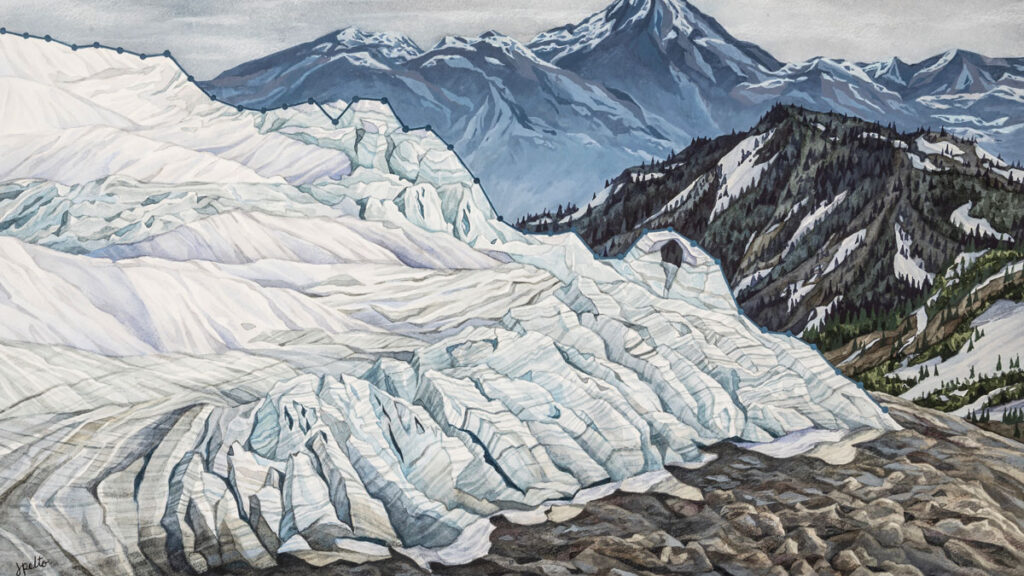
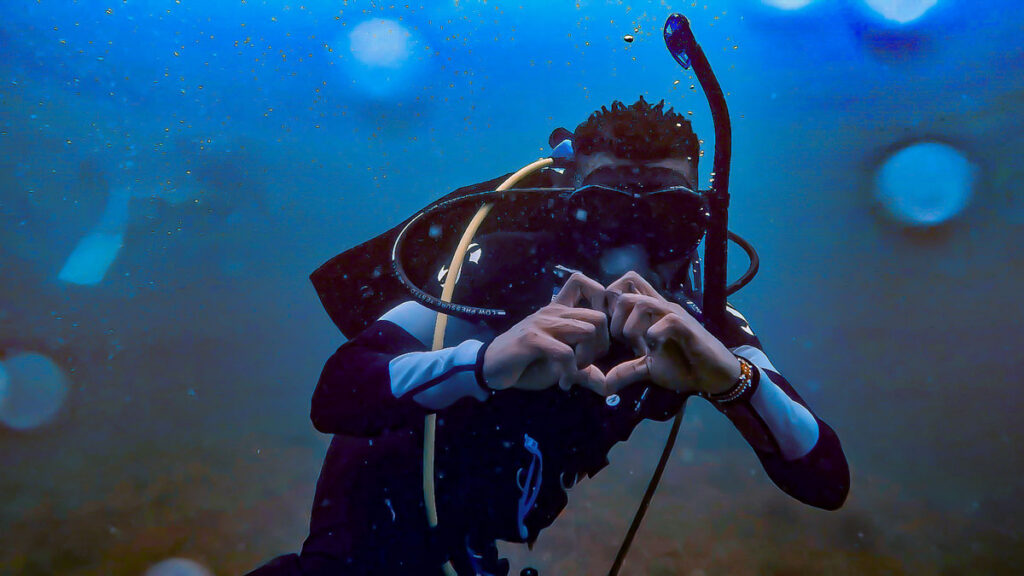
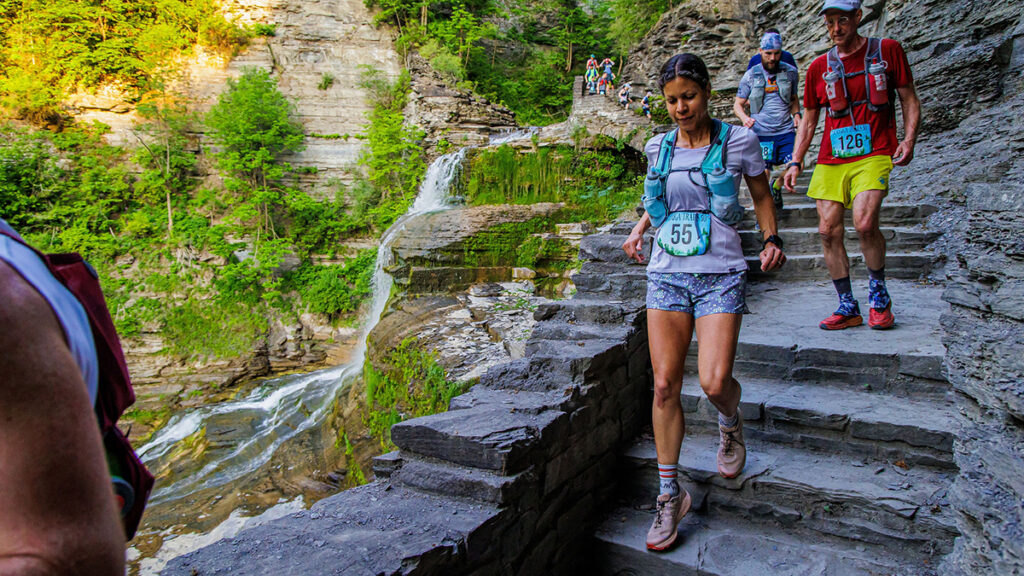
This year, we dove a little deeper (in scuba diver and coastal scientist Sidney Opiyo’s case, literally) to hear from scientists about their interests and work beyond the laboratory and the field. Geologist Kuwanna Dyer-Pietras told us about how her love of landscapes informs her passion for trail running. Jill Pelto shares how she incorporates environmental data into her landscape paintings of glaciers, forests, oceans, and savannas. And tectonics researcher/conservatory-trained musician Daniel Pastor-Galán describes the little ways he incorporates his love of music into his research.
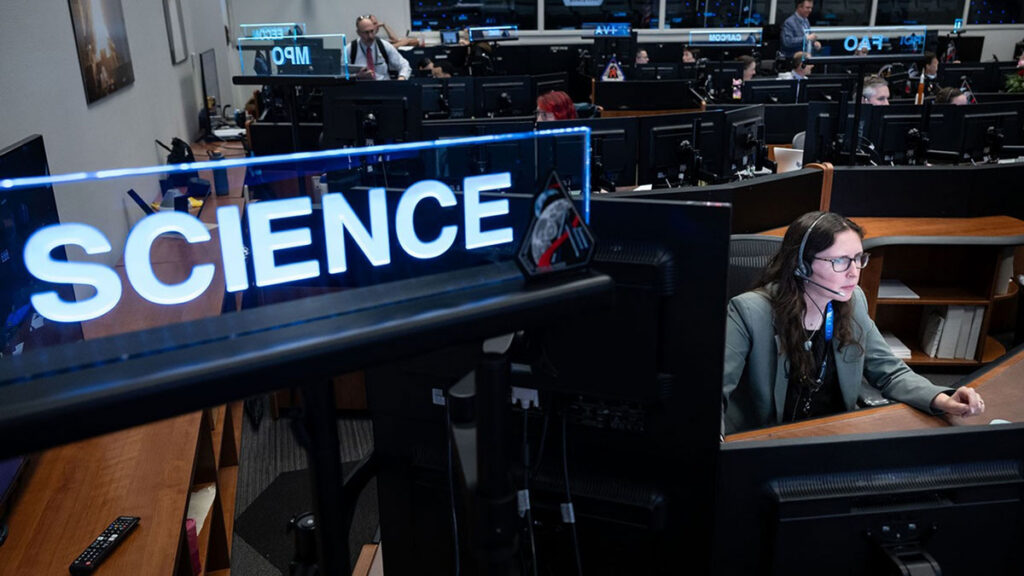
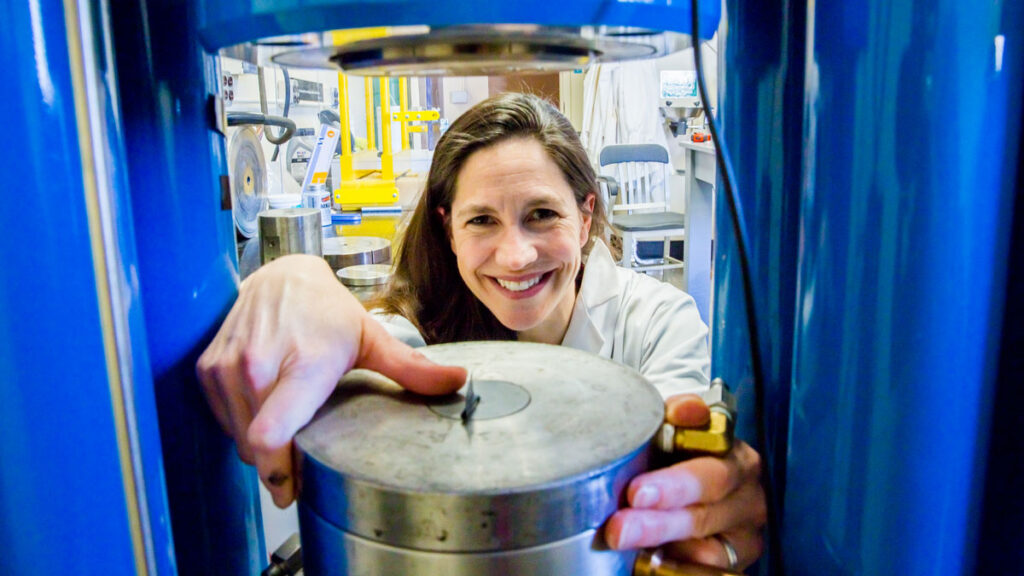
The curiosity that drives scientists to explore new worlds and make discoveries isn’t something they leave at the door of the laboratory or classroom. It’s part of what makes them who they are in all areas of their lives. This year, we celebrate Kelsey Young, whose “Copy, Moon Joy” message from the Artemis II control room was heard around the world, and we recognize Elizabeth Cottrell, who went from collecting rocks as a child to overseeing one of the world’s largest rock collections at the Smithsonian. We celebrate curiosity, and we hope to pique yours.
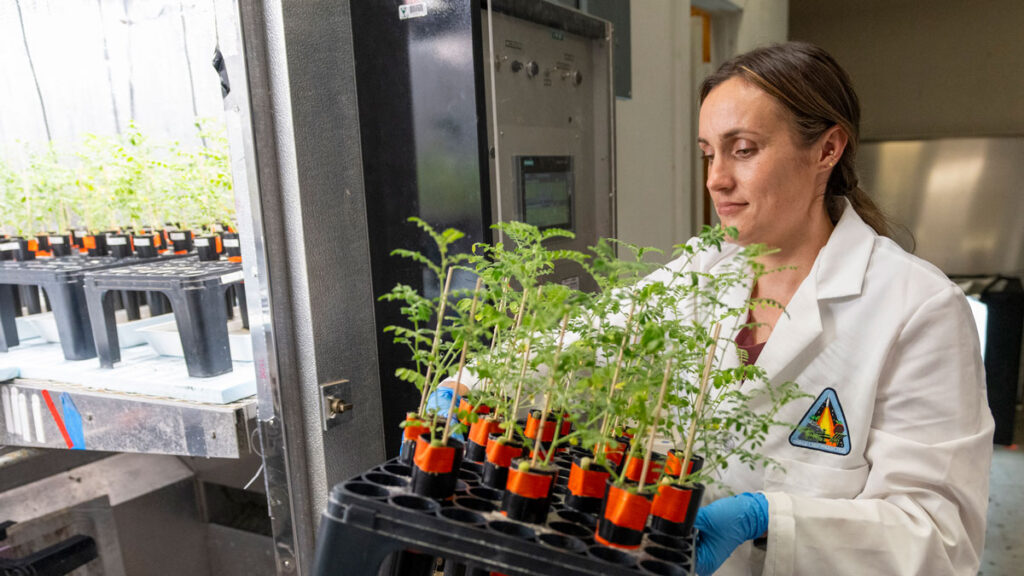
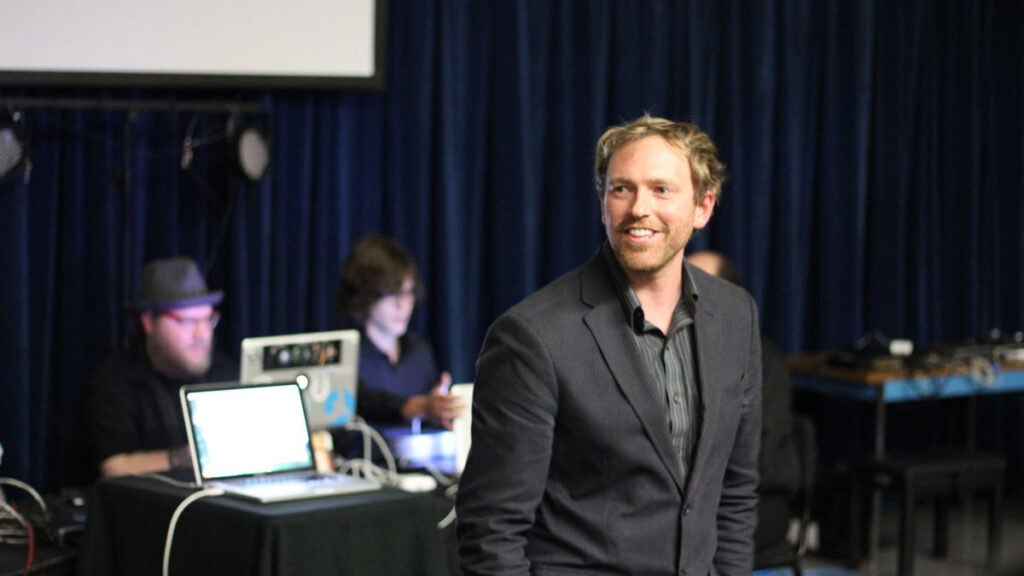
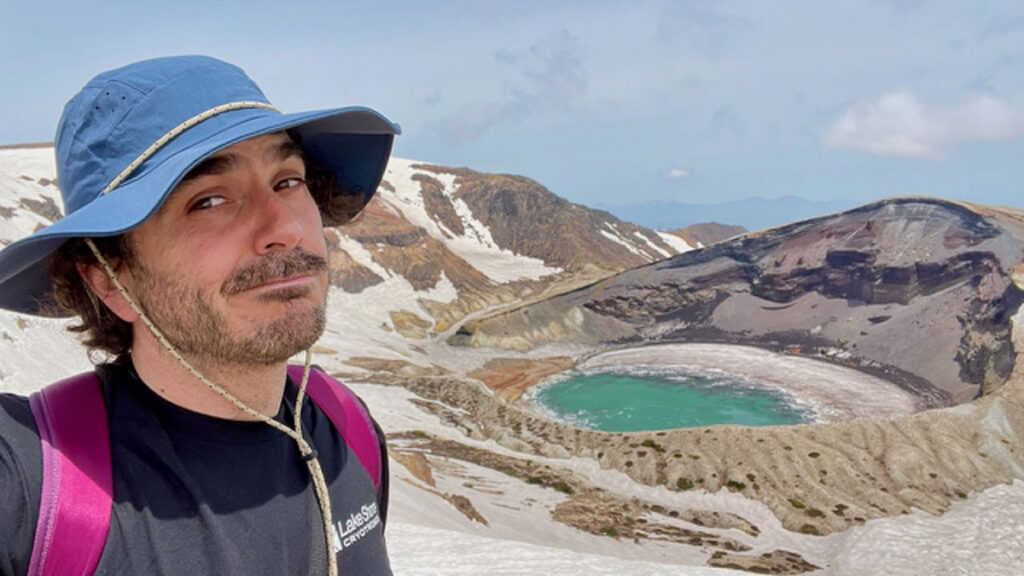
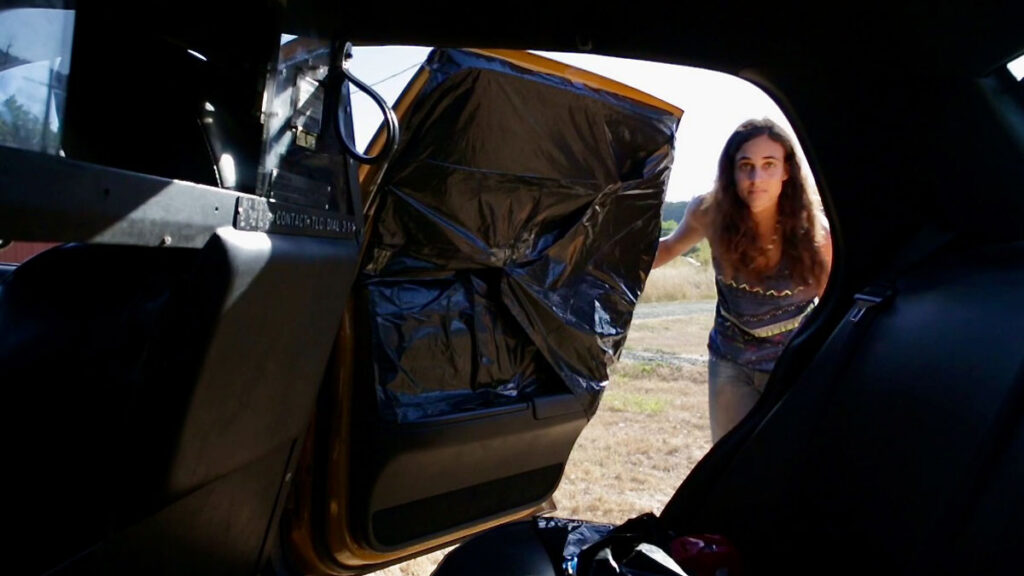

We recognize scientists who have forged their own path, such as Jess Atkin, who set up a tent in her living room to grow plants from simulated lunar regolith while she applied to graduate school. And Maoya Bassiouni, who last year launched a project pairing artists and scientists to create art pieces using FLUXNET data. Danielle Ignace, an ecophysiologist and enrolled member of the Coeur d’Alene Tribe, is leading a multidisciplinary effort to examine the role of Indigenous communities in land stewardship. And Chet Udell is designing both scientific and musical instruments.
We’re also excited that this year, each of the profiled scientists has shared a piece of media they recommend to young scientists in their field. They came through with a treasure trove of recommendations you won’t want to miss, from science fiction novels to nonfiction works to documentaries.
Happy reading!
—Emily Gardner (@emfurd.bsky.social), Deputy Editor
Citation: Gardner, E. (2026), Work-life balance, Eos, 107, https://doi.org/10.1029/2026EO260251. Published on 3 August 2026.
Text © 2026. AGU. CC BY-NC-ND 3.0
Except where otherwise noted, images are subject to copyright. Any reuse without express permission from the copyright owner is prohibited.
Source: Work-Life Balance