AI Insight
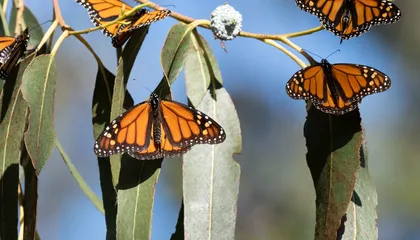
Butterfly populations across North America are experiencing significant declines driven by three primary factors: pesticide use, habitat destruction, and climate change. The western monarch butterfly serves as a case study illustrating how these compounding pressures affect insect populations at a large scale. Despite the severity of the crisis, researchers working directly with these species maintain cautious optimism regarding conservation outcomes.
Why it matters
Butterfly population collapse has broad ecological consequences, as these insects serve as pollinators and food sources within complex food webs, meaning their decline signals wider ecosystem instability. Conservation strategies developed through studying species like the western monarch may inform broader insect protection policies with economic and agricultural relevance.
Understand the Science
Pesticides, habitat loss and climate change have taken their toll on the beloved insects. But the experts working with them still find hope for their future