SciPost included in the SCOSS Family of Essential Open Science Infrastructures

We are pleased to announce that the Global Sustainability Coalition for Open Science Services (SCOSS) has selected SciPost for inclusion in its 6th pledging round for funding. SCOSS is a network of influential organisations committed to helping secure OA and OS infrastructure well into the future. Established in 2017, it has helped a number of … Read more

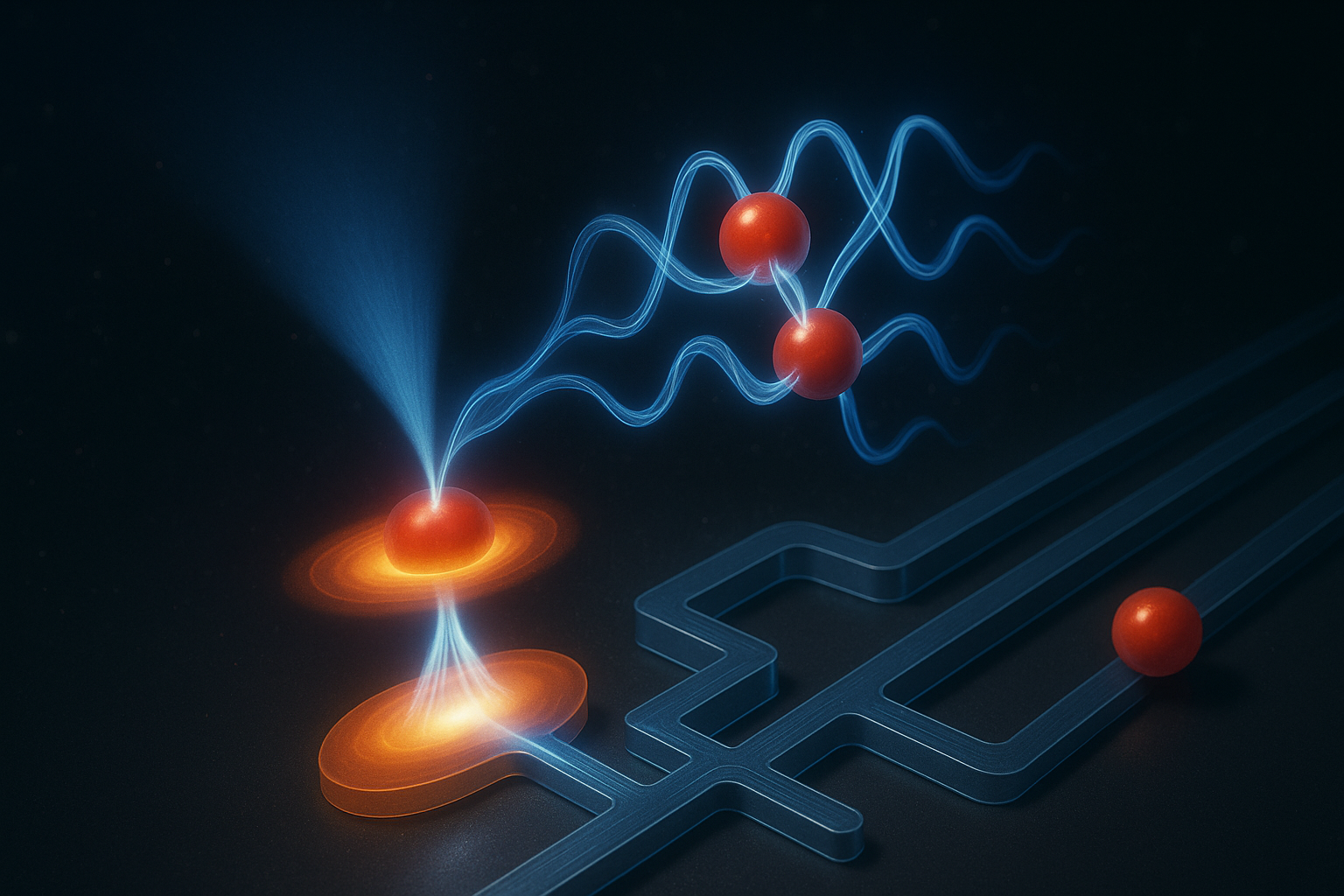
Entanglement of a nuclear spin qubit register in silicon photonics

Abstract Colour centres provide an optical interface to quantum registers based on electron and nuclear spin qubits in solids. The T centre in silicon is an emerging spin–photon interface that combines telecom O-band optical transitions and an electron spin in a scalable photonics platform. Here we integrate T centres into single-mode photonic waveguides in a … Read more

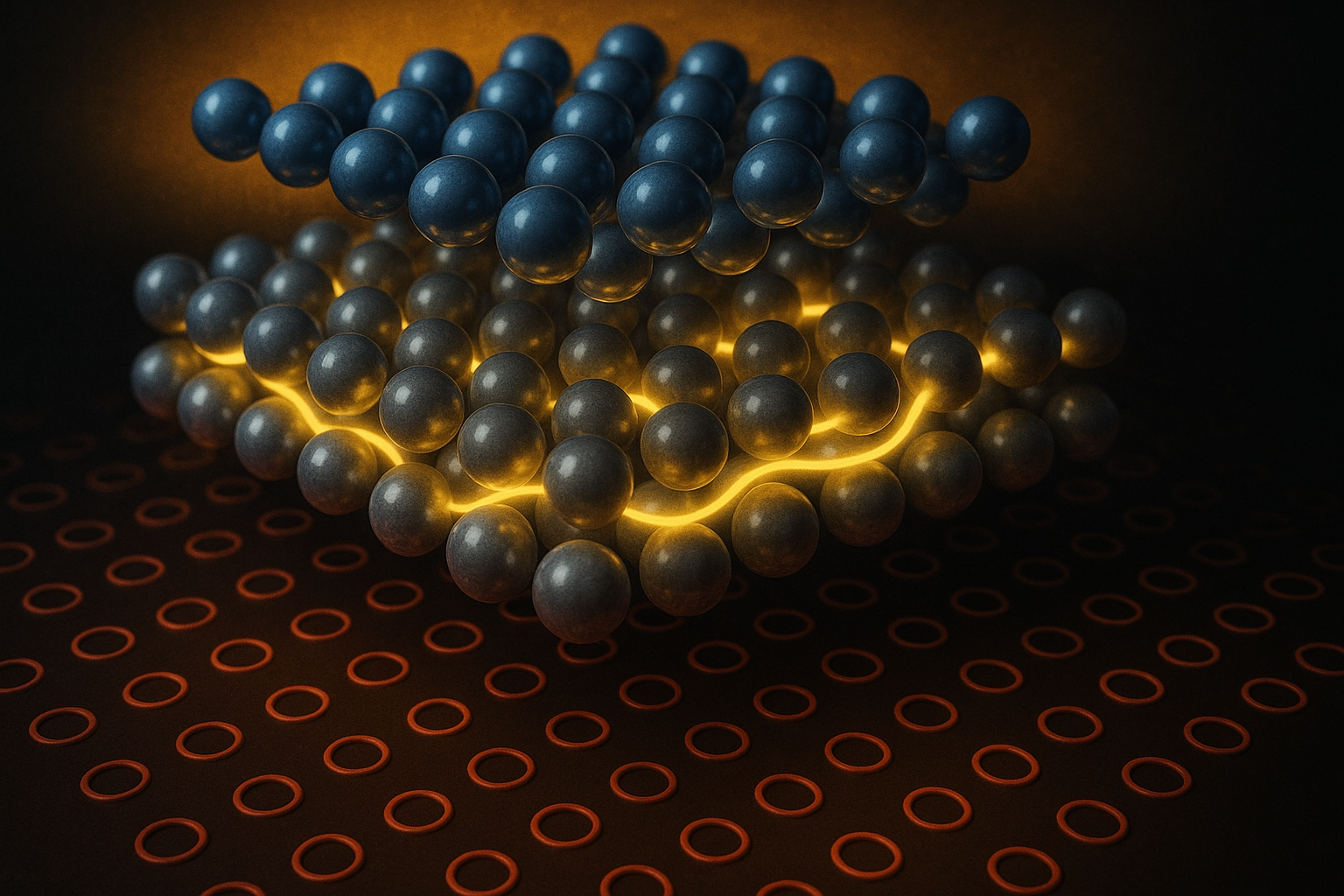
Band-hybridized selenium contact for p-type semiconductors

Abstract Semimetals can establish a low-resistance contact to semiconductors by suppressing metal-induced gap states. Although semimetals like bismuth have enabled an ultralow contact resistance for n-type two-dimensional semiconductors by mitigating metal-induced gap states, achieving a similar performance for p-type two-dimensional counterparts remains a notable hurdle. Here we introduce an ultrathin selenium interfacial layer with the … Read more

Breaking the yield–selectivity trade-off in polystyrene waste valorization via tandem depolymerization and hydrogenolysis

Abstract Converting plastic waste into valuable products mitigates plastic pollution and lowers the carbon footprint of naphtha-derived aromatics. However, the difficulties of precisely controlling complex multiphase systems and the catalyst inefficiencies hinder process viability. Here we report a vapour-phase hydrogenolysis strategy catalysed by Ru single atoms on Co3O4 (RuSA/Co3O4), decoupling depolymerization from hydrogenolysis to overcome … Read more

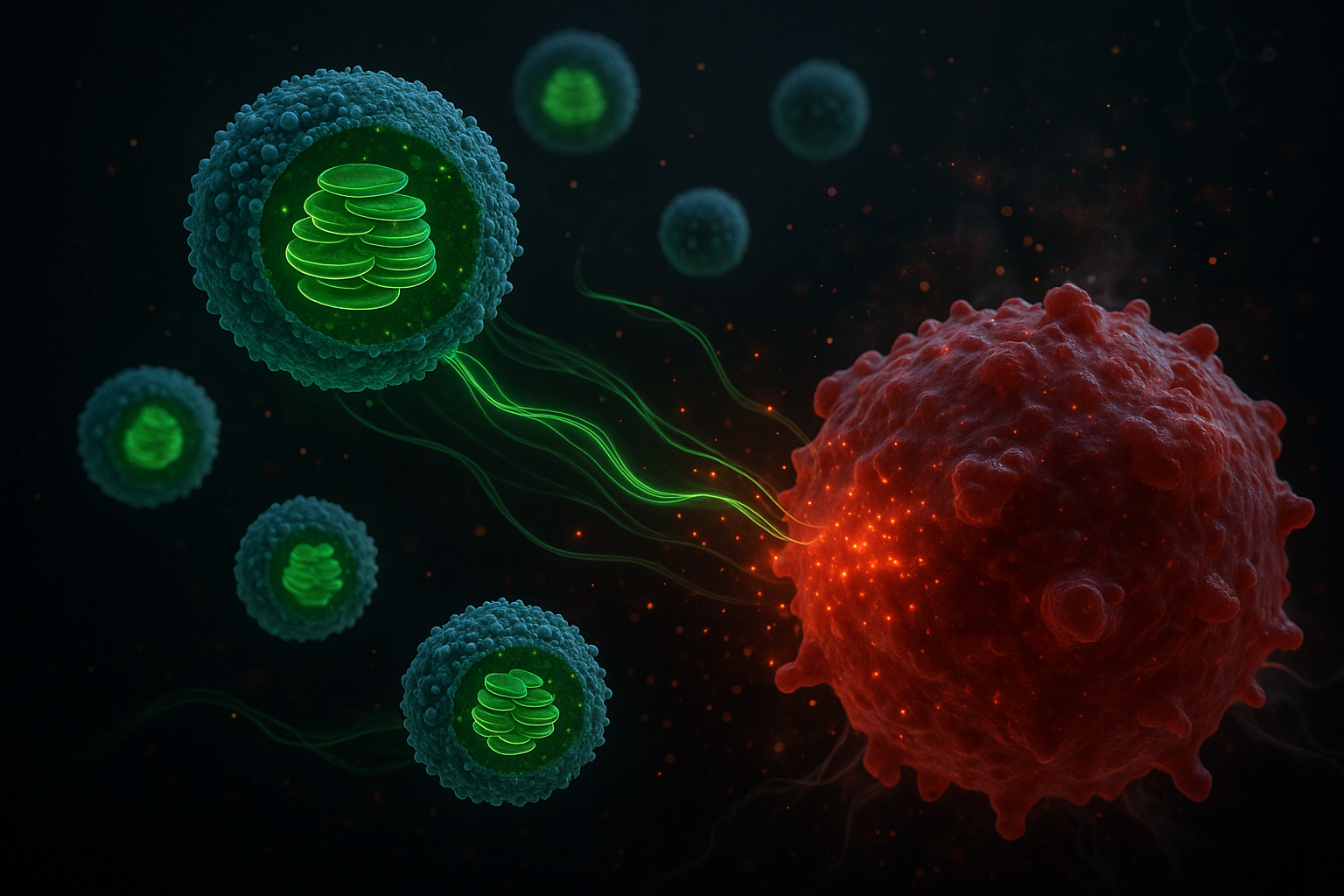
Bioengineered photosynthetic nanothylakoids reshape the inflammatory microenvironment for rheumatoid arthritis therapy

Abstract Reducing individual inflammatory factors does not always translate into clinical efficacy in rheumatoid arthritis (RA), an autoimmune disease characterized by joint inflammation. Proinflammatory M1 macrophages are a key driver of the hyperinflammatory joint microenvironment, which also promotes the progression of RA. Here we show that folate-receptor-targeted photosynthetic nanothylakoid (FA-PEG-NTK)-based phototherapy reprogrammes macrophages from M1 … Read more