AI Insight
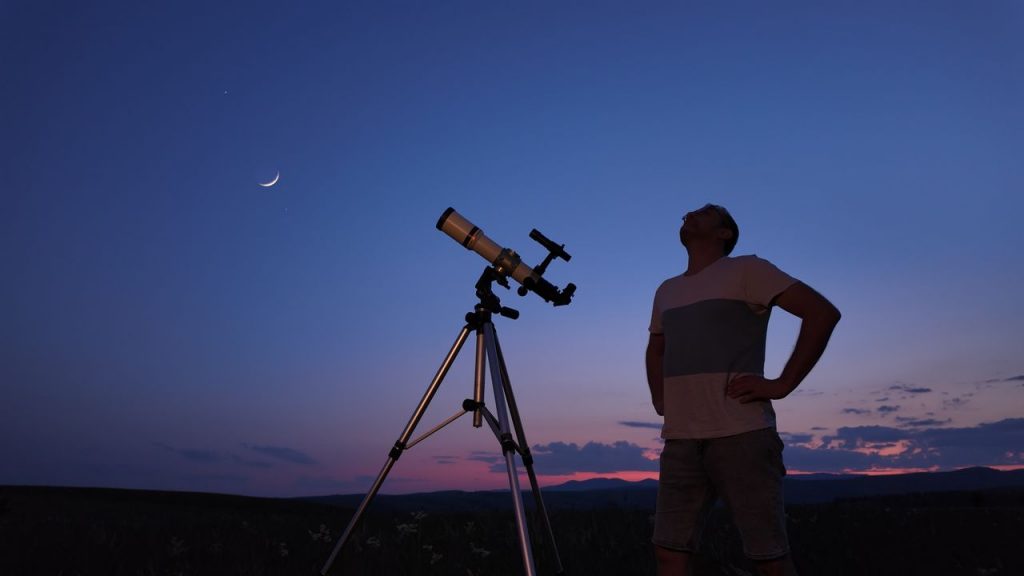
Contrary to popular belief, the full moon is not the optimal time to observe the lunar surface through a telescope. The most visually detailed views occur during partial phases, particularly around the first and last quarter, when sunlight strikes the surface at a low angle and creates pronounced shadows along the terminator line. These shadows highlight craters, mountain ranges, and other topographic features that become washed out under the direct illumination of a full moon.
Why it matters
This observational guidance has direct practical value for amateur astronomers seeking to maximize the scientific and aesthetic quality of their lunar observations. Understanding the relationship between solar angle and surface contrast can improve public engagement with astronomy and telescope use.
Understand the Science
Long before the full moon rises, shifting sunlight transforms the lunar surface into one of the sky’s best telescope targets.
Source: Don't wait for the full moon: Here's when the moon looks best through a telescope