AI Insight
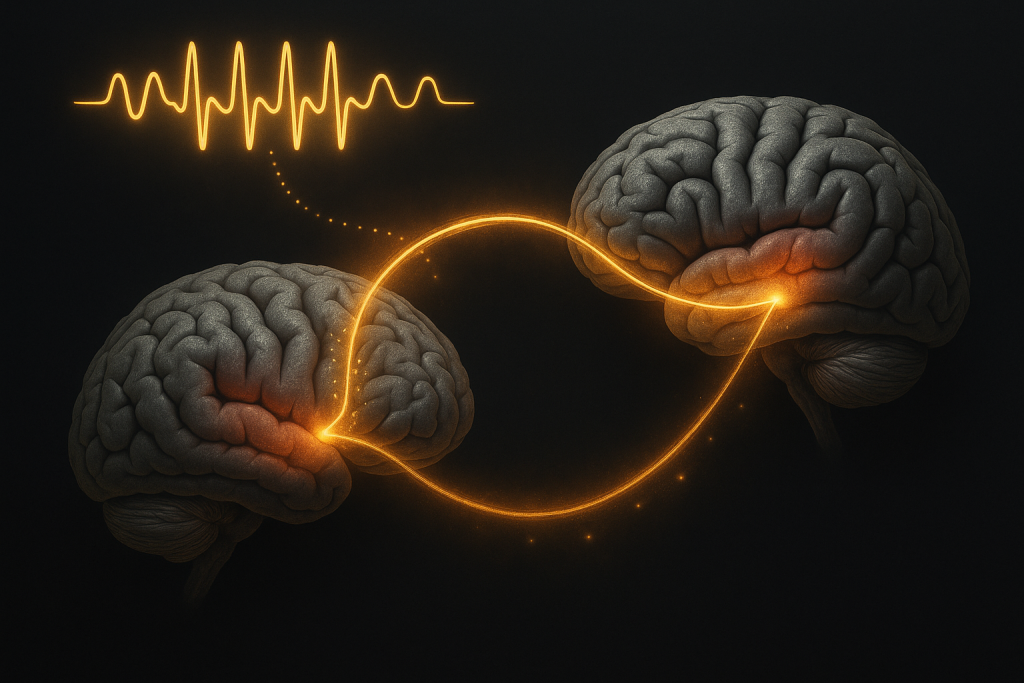
Using an optogenetic mouse model that mimics accelerated intermittent theta burst stimulation (aiTBS), researchers identified cell type-specific synaptic plasticity mechanisms underlying this form of transcranial magnetic stimulation. The study demonstrates that a fronto-insular circuit plays a central role in mediating the antidepressant effects of aiTBS observed in human patients. These findings provide a mechanistic framework linking circuit-level changes in the brain to the clinical outcomes of an increasingly used depression treatment.
Why it matters
Understanding the precise neural circuits and cellular mechanisms through which aiTBS exerts its antidepressant effects could enable more targeted and optimized stimulation protocols for treatment-resistant depression, a condition affecting millions of people worldwide.
Understand the Science
An optogenetic model of accelerated intermittent theta burst stimulation reveals cell type-specific plasticity mechanisms and a key role for a fronto-insular circuit in driving the antidepressant effects of this treatment in humans.
Source: Fronto-insular circuit mechanisms of accelerated intermittent theta burst stimulation