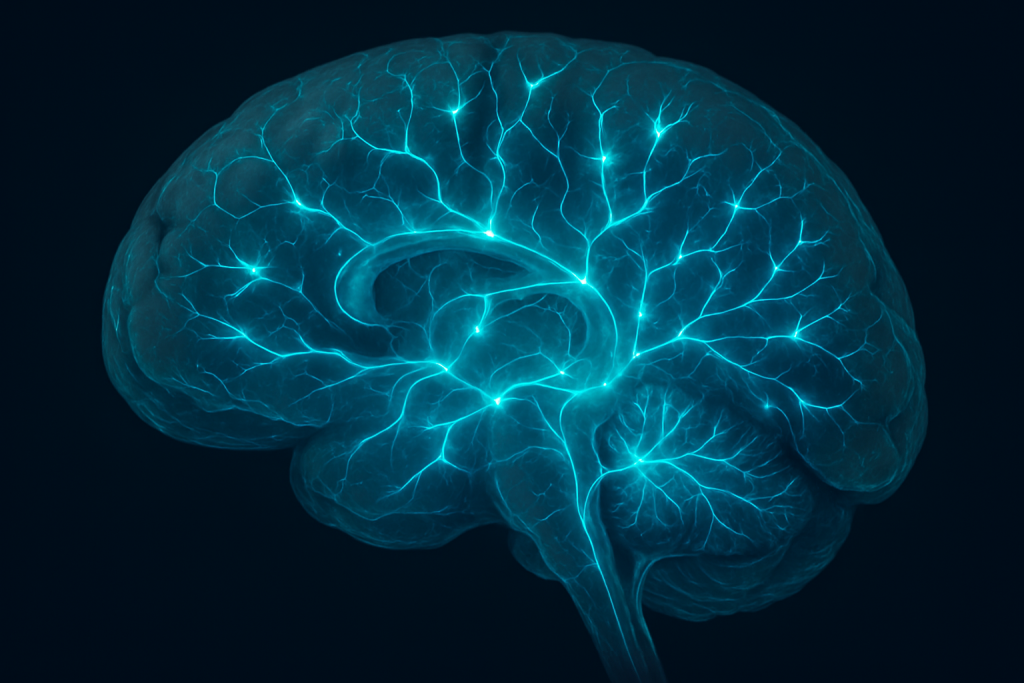
Image generated by AI
AI Insight
Neuroplasticity is the brain's ability to physically reorganize itself throughout life by forming new neural connections, contradicting the 20th-century belief that adult brains were fixed and unchangeable. This reorganization occurs through structural plasticity, which relocates functions from damaged to healthy areas, and functional plasticity, which enables brain regions to assume new responsibilities. At the cellular level, repeated experiences strengthen synaptic connections through long-term potentiation, while unused connections weaken and are eliminated.
Why it matters
Understanding neuroplasticity has revolutionized rehabilitation medicine, enabling stroke and brain injury patients to recover lost functions through targeted, repetitive therapies even years after damage occurs. This knowledge also reveals that lifestyle factors like exercise, sleep, and mental engagement directly shape brain structure, offering therapeutic approaches for conditions previously considered permanent, including addiction, chronic pain, and neurodegenerative diseases.
Understand the Science
For most of the 20th century, neuroscientists believed the adult brain was essentially fixed—a hardwired machine that couldn’t fundamentally rewire itself. We now know this is dramatically wrong. Neuroplasticity, the brain’s ability to physically reorganize itself by forming new neural connections throughout life, has revolutionized our understanding of learning, recovery, and human potential.
How It Works in Nature
Neuroplasticity operates through two primary mechanisms. Structural plasticity allows the brain to move functions from damaged areas to undamaged regions, while functional plasticity enables different brain regions to take over responsibilities if needed. At the cellular level, repeated experiences strengthen certain synaptic connections—the gaps between neurons—through a process called long-term potentiation. Conversely, unused connections weaken and are pruned away, following the principle “neurons that fire together wire together.” This dynamic remodeling happens constantly: learning a new skill, practicing an instrument, or even recovering from injury physically reshapes neural architecture. The process is energetically expensive but evolutionarily advantageous, allowing organisms to adapt to changing environments and overcome damage.
Medical and Scientific Relevance
Understanding neuroplasticity has transformed treatment approaches for stroke, traumatic brain injury, and neurodegenerative diseases. Rehabilitation therapies now leverage the brain’s rewiring capacity by encouraging repetitive, purposeful practice—helping patients recover lost function even years after injury. The discovery also illuminates learning itself: intensive practice in any domain, from mathematics to athletics, physically enlarges relevant brain regions. This has profound implications for education, aging, and mental health. Additionally, neuroplasticity offers hope for conditions once considered permanent, from phantom limb pain to addiction, by enabling targeted interventions that redirect neural activity. However, plasticity works both ways—chronic stress, sleep deprivation, or repeated negative experiences can also rewire the brain detrimentally, emphasizing the importance of lifestyle factors in brain health.
Key Takeaways
- The adult brain remains capable of significant structural and functional reorganization throughout life, challenging the outdated concept of a fixed neural architecture.
- Neuroplasticity depends on experience and repetition, making deliberate practice and learning powerful tools for brain development and injury recovery.
- This biological capacity has revolutionized rehabilitation medicine and reveals how lifestyle choices—exercise, sleep, social connection, and mental engagement—directly shape brain structure and function.
Explore TED Talks on Brain and Neurology:
TED content is used under CC BY-NC-ND 4.0. © TED Conferences, LLC.
Frequently Asked Questions
What is the difference between structural plasticity and functional plasticity in the brain?
Structural plasticity allows the brain to physically move functions from damaged areas to undamaged regions, while functional plasticity enables different brain regions to take over responsibilities when needed. Both processes involve the brain's ability to reorganize itself, but structural plasticity involves actual physical changes in neural architecture, whereas functional plasticity involves reassignment of existing neural networks.
How does the principle 'neurons that fire together wire together' explain learning at the cellular level?
When neurons are repeatedly activated together during learning or practice, their synaptic connections strengthen through a process called long-term potentiation, making communication between those neurons more efficient. Conversely, synaptic connections that are rarely used become weakened and are pruned away, allowing the brain to optimize its neural circuits based on experience.
Why is neuroplasticity energetically expensive for the brain?
Forming new neural connections and reorganizing existing ones requires significant metabolic resources to support the physical restructuring of synapses and neural pathways. Despite this high energy cost, neuroplasticity is evolutionarily advantageous because it enables organisms to adapt to environmental changes and recover from brain damage.
Can neuroplasticity help the brain recover from stroke or traumatic brain injury?
Yes, neuroplasticity enables recovery by allowing undamaged brain regions to take over functions from injured areas through functional and structural reorganization of neural networks. This understanding has transformed rehabilitation therapies to actively leverage the brain's rewiring capabilities to restore lost functions after injury.