AI Insight
On November 3, 1957, a Soviet stray dog named Laika became the first animal to orbit Earth aboard Sputnik 2, launched from Baikonur Cosmodrome in Kazakhstan. The mission was designed as a one-way trip with only seven days of oxygen and minimal food supplies. Laika died shortly after reaching orbit due to overheating when the spacecraft's heat shield broke off, rather than from oxygen deprivation or starvation as originally anticipated.
Why it matters
Laika's flight was a significant milestone in early space exploration, demonstrating that living organisms could survive launch and reach orbit, which provided crucial data for eventual human spaceflight. The mission remains an important but tragic example of how animals were used in early spaceflight testing by both Soviet and American programs, with many not surviving their missions, though some like the chimpanzee Ham did successfully return.
Understand the Science
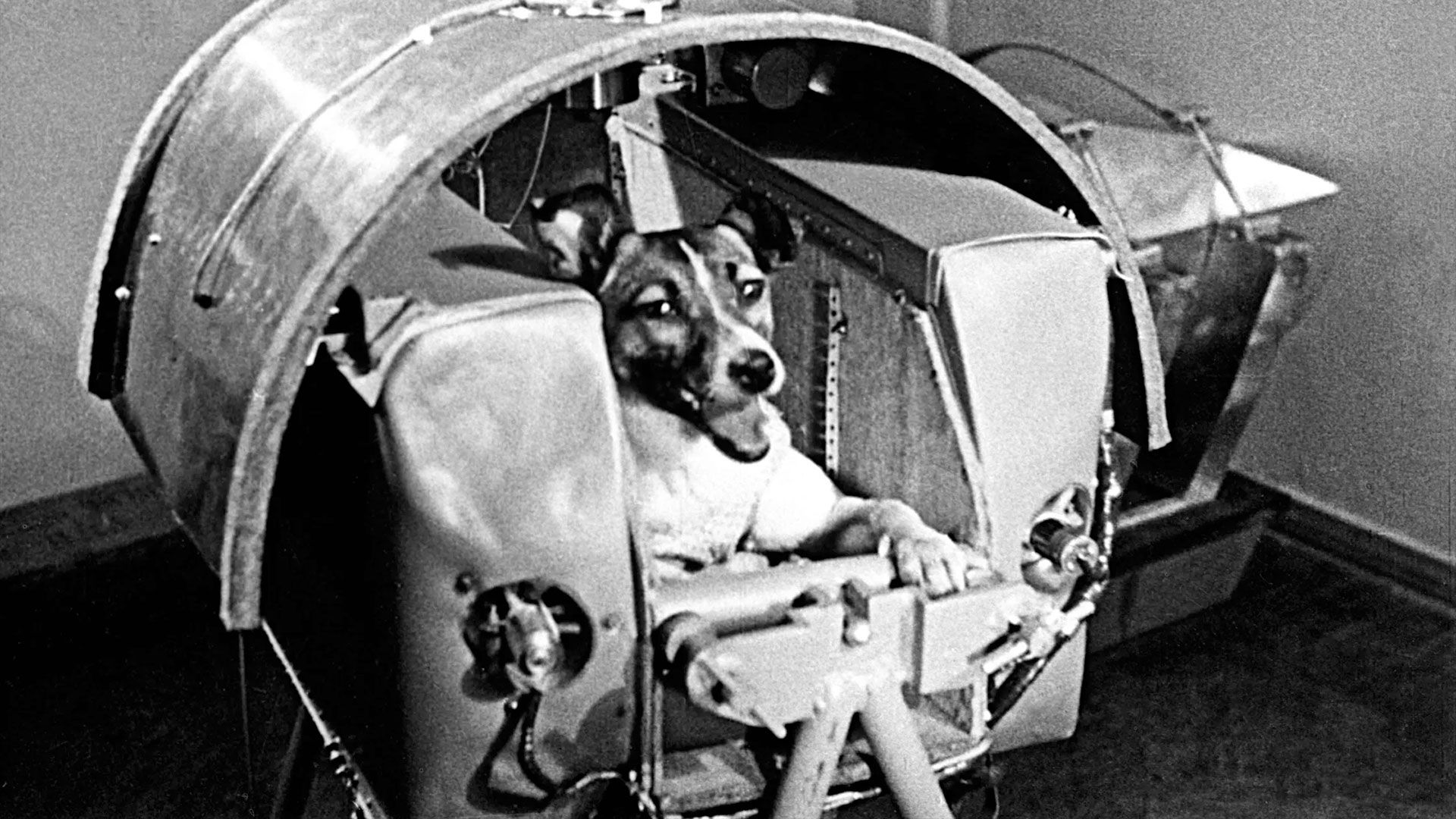
On Nov. 3, 1957, a Soviet space dog named Laika became the first animal to orbit Earth. Laika was a 3-year-old stray husky-spitz mix from the streets of Moscow, and she was recruited by the Soviet space program for her small size and calm temperament.
Unfortunately for Laika, this mission was a one-way trip. The Soviets didn’t design a way to bring her back down to Earth. With only 7 days worth of oxygen and a little bit of food on board, Laika launched from the Baikonur Cosmodrome in Kazakhstan with a Russian Sputnik rocket. This was the same kind of rocket used to launch the first Sputnik satellite.
Laika was alive when she reached orbit, but she died shortly afterward because the spacecraft’s heat shield had broken off. Laika overheated before she had the chance to die of starvation of oxygen deprivation.
Why it mattered
Laika has remained one of space history’s most beloved and tragic figures. People around the world have dogs as pets who they love as members of their own families. And even nearly 70 years after this flight, it is so heartbreaking to think of Laika on that frightening journey from which she never returned.
Laika was one of many different animals that were used in early spaceflight testing. Both the U.S. and Russia launched a number of primates on flights testing early flight technology. Sadly, like Laika, many of these brave creatures did not make it back.
Unbelievably, though, some did survive the journey. For example, the chimpanzee named Ham and nicknamed the “astrochimp” survived a 1961 test flight to space. Though, the team behind that flight was so unsure of how it would go that Ham didn’t get his name until after it was found that he’d survived his return.
Want more space history? Check out our full On This Day In Space Story archive and watch our On This Day In Space videos on YouTube.
Source: On this day in space! Nov. 3, 1957: Laika the dog launches with Sputnik 2