AI Insight
Episode 234 of This Week In Space features Dr. Than Putzig from the Planetary Science Institute discussing a NASA-backed mission to explore the Marius Hills Pit, a roughly 50-meter-wide opening on the Moon that may lead to underground lava tubes. The mission would use geophysical instruments on a rover to detect and measure hidden voids beneath the lunar surface that could potentially serve as natural shelters for future human habitats. These volcanic formations could offer protection from radiation and temperature extremes, complementing NASA's Artemis program plans for establishing a lunar base near the south pole.
Why it matters
Lunar lava tubes could provide ready-made protective structures for human habitation on the Moon, eliminating the need to construct elaborate surface shelters and offering natural shielding from harmful solar radiation, micrometeorites, and extreme temperature fluctuations. This research directly supports long-term human presence on the Moon and could significantly reduce the cost and complexity of establishing a sustainable lunar base.
Understand the Science
On Episode 234 of This Week In Space, Tariq Malik and Mike Wall are joined by Than Putzig of the Planetary Science Institute about a NASA-backed payload bound for the Marius Hills Pit on the moon.
In our ongoing quest to develop a moon base, could we possibly utilize the area beneath the surface of the moon in order to make the moon habitable? Could Marius Hills Pit, a roughly 50-meter-wide opening that may lead into a lunar lava tube, become the Moon’s first living habitat for humans?
Putzig explains how geophysical instruments on a rover could detect hidden voids beneath the surface and measure the size of these lava tubes. We also ask Than how these lava tubes form, what a follow-up robotic explorer could reveal, and how this research fits alongside NASA’s Artemis plans for a south polar moon base. Join us!
Download or subscribe to this show at: https://twit.tv/shows/this-week-in-space.
Get episodes ad-free with Club TWiT at https://twit.tv/clubtwit
Space news of the week
- China’s secretive space plane caught on camera in incredible new photo released by US military
- Watch Virgin Galactic’s new ‘Delta-class’ space plane take to the skies for the 1st time
- Patrick Stewart, renowned actor and ‘Star Trek’s’ Captain Picard, dies at 86
- ‘Star Trek’ legend and sci-fi luminary Walter Koenig dies at 90
- NASA’s hunting for a secret underground cave on the moon
- Journey Across The Moon – Stunning Images From The SELENE Lunar Orbiter
- LPI – Marius Hills
- NASA Adds New Science Investigations for Moon Base
Model Falcon 9!
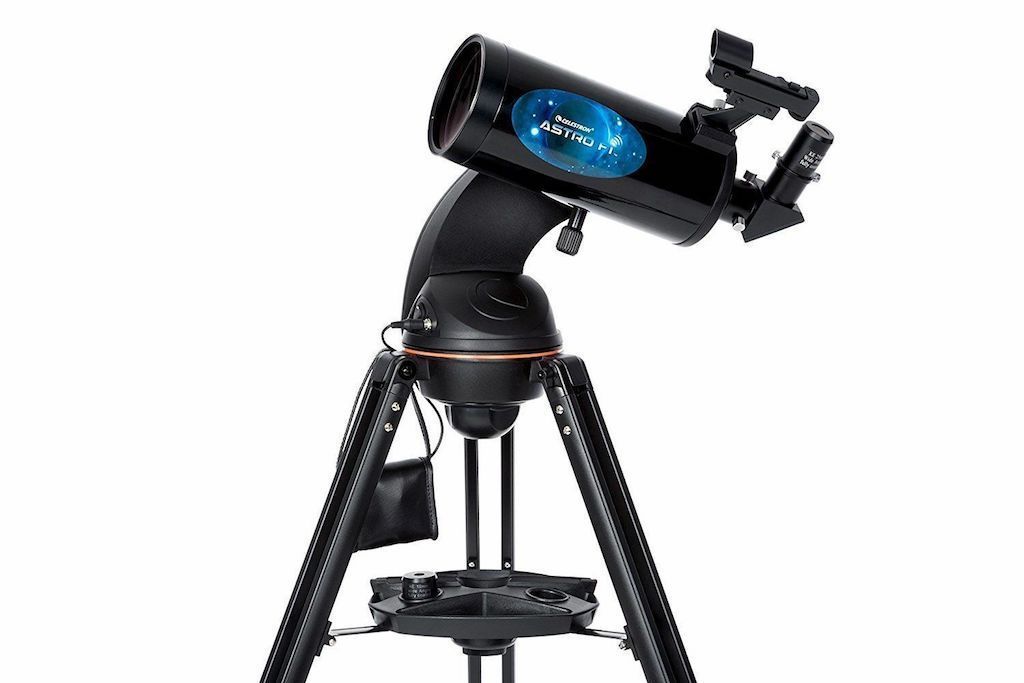
Looking for a telescope to see planets and comets? We recommend the Celestron Astro Fi 102 as the top pick in our best beginner’s telescope guide.
Finally, did you know you can launch your own SpaceX rocket? Model rocket maker Estes’ stunning scale model of a Falcon 9 rocket that you can pick up now. The launchable model is a detailed recreation of the Falcon 9 and retails for $149.99. You can save 10% by using the code IN-COLLECTSPACE at checkout, courtesy of our partners collectSPACE.com.
About This Week In Space
This Week in Space covers the new space age. Every Friday we take a deep dive into a fascinating topic. What’s happening with the new race to the moon and other planets? When will SpaceX really send people to Mars?
Join Rod Pyle and Tariq Malik from Space.com as they tackle those questions and more each week on Friday afternoons. You can subscribe today on your favorite podcatcher.
Source: This Week In Space podcast: Episode 234 — Living in Lunar Caves