AI Insight
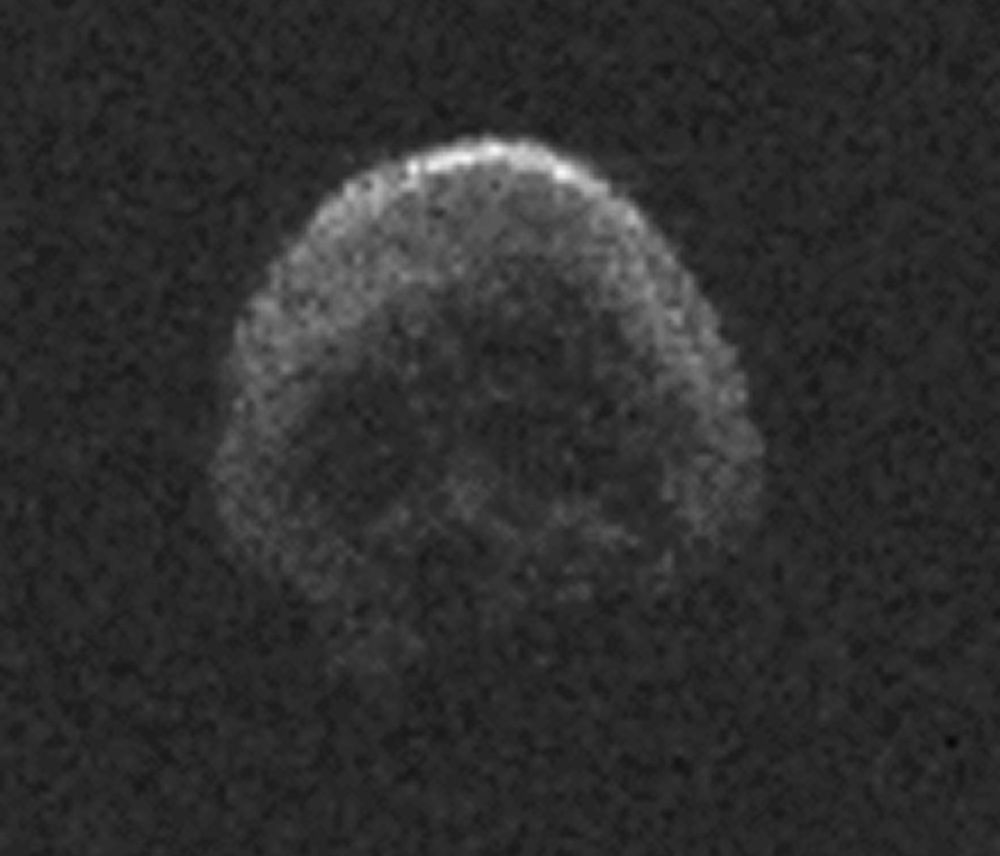
On October 31, 2015, asteroid 2015 TB145 passed within approximately 300,000 miles of Earth, or 1.3 times the lunar distance. The asteroid, discovered just three weeks before its approach by Hawaii's Pan-STARRS observatory, was revealed through radar imaging from Arecibo Observatory to have an unusual skull-like shape. NASA dubbed it the "Great Pumpkin" due to its Halloween arrival, and it represented the closest approach by an object of its size until a predicted 2027 flyby by asteroid 1999 AN10.
Why it matters
This event highlights the importance of near-Earth object detection programs like NASA's Spaceguard, which monitor potentially hazardous asteroids. The late discovery of 2015 TB145—only three weeks before its closest approach—underscores the ongoing challenge of identifying and tracking objects that could potentially threaten Earth, emphasizing the need for continued investment in planetary defense systems.
Understand the Science
On October 31, 2015, an asteroid shaped like a human skull flew by Earth. It arrived with excellent timing on Halloween, which made the already-creepy asteroid even creepier.
During its closest approach, the creepy asteroid was about 300,000 miles from Earth, or 1.3 times the average distance between Earth and the moon. So, it didn’t pose a threat to our planet. It was discovered by astronomers at Hawaii’s Pan-STARRS observatory only three weeks before the flyby, and it was given the official designation “2015 TB145.” But no one knew what it looked like until the day before Halloween, when the Arecibo Observatory in Puerto Rico captured the first radar images.
NASA called the asteroid the “Great Pumpkin,” while others called it the “Halloween Asteroid.”
Why it mattered
Be afraid, be very afraid… Okay, not really, but there is reason to be concerned about near-Earth objects and the time in which they are detected.
“According to the catalog of near-Earth objects (NEOs) kept by the Minor Planet Center, this is the closest currently known approach by an object this large until asteroid 1999 AN10, at about 2,600 feet (800 meters) in size, approaches at about 1 lunar distance (238,000 miles from Earth) in August 2027,” NASA’s Jet Propulsion Laboratory (JPL) reported in 2015.
NASA’s Near-Earth Object Observations Program, sometimes called “Spaceguard,” works to catalog these type of objects and predicts some of their paths if they could be potentially threats to our planet. While there are no known credible impact threats to date, it doesn’t mean the “Great Pumpkin,” or rather a great impactor, isn’t real.
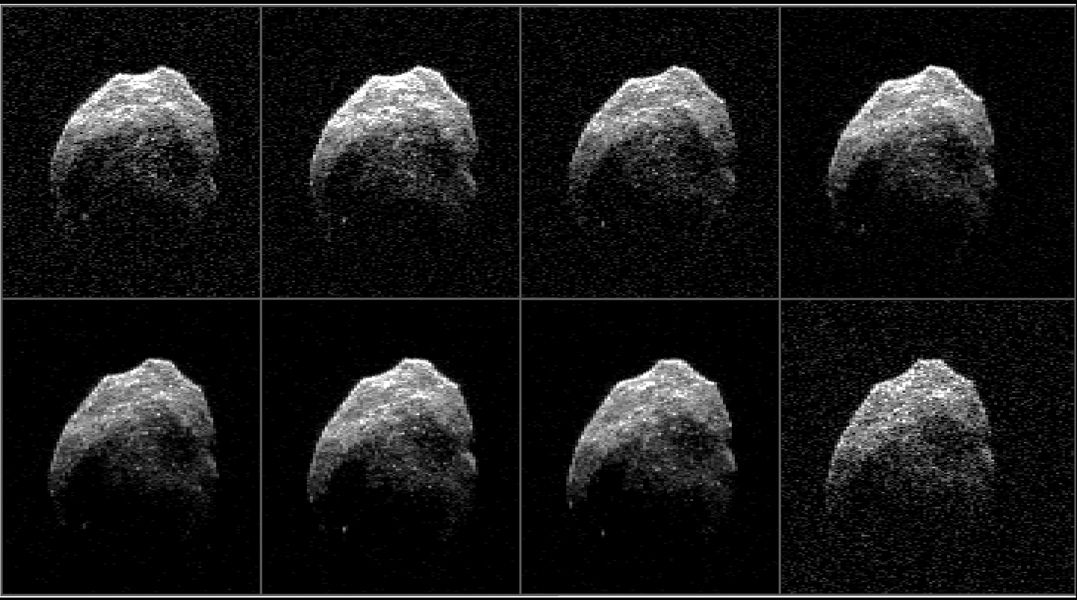
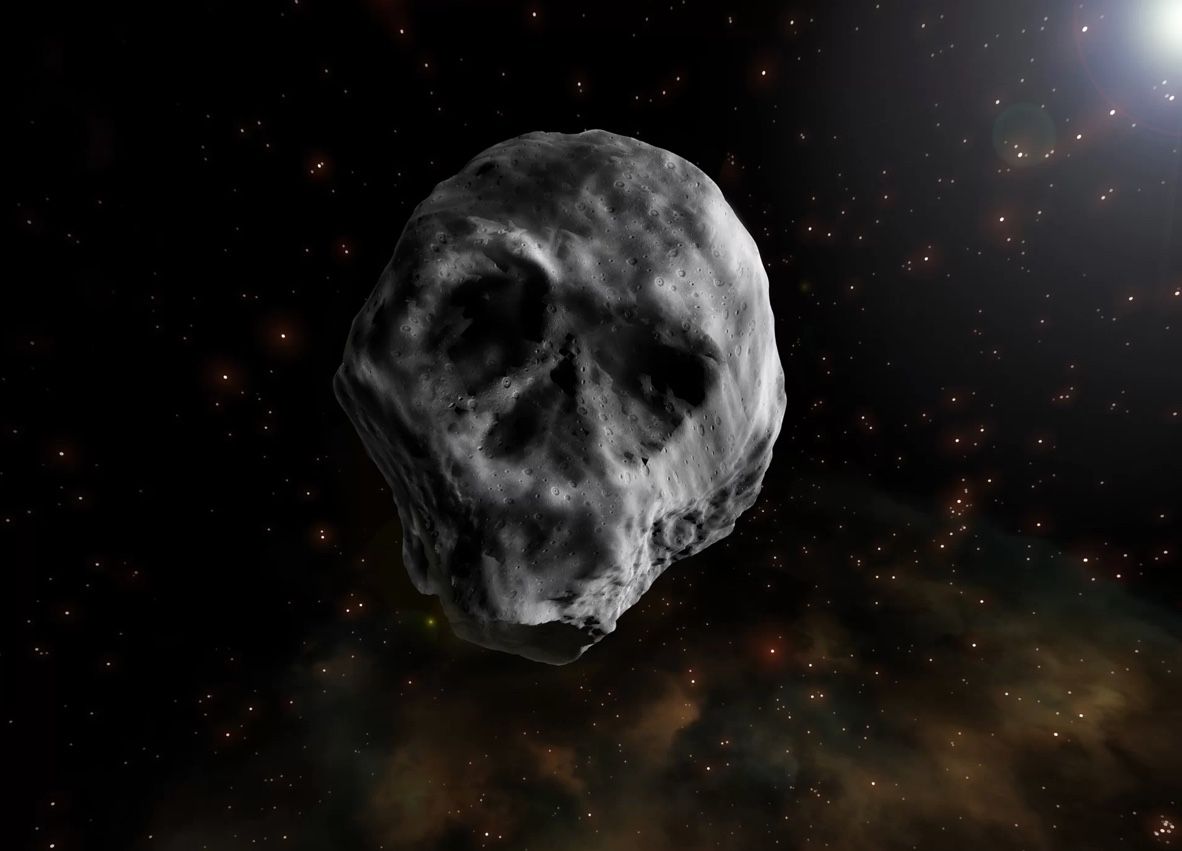
As for 2015 TB145, it did return to Earth’s vicinity in 2018, but at a much more distant pass of about 24 million miles (38 million kilometers), “or about a quarter the distance between Earth and the sun,” according to JPL.
Want more space history? Check out our full On This Day In Space Story archive and watch our On This Day In Space videos on YouTube.