AI Insight
As global temperatures rise, melting ice patches in Norway's high mountain regions are exposing archaeological artifacts that have been preserved in frozen conditions for potentially thousands of years. Glacial archaeologists are conducting field surveys in difficult alpine terrain to recover these objects before exposure to air, moisture, and temperature fluctuations causes irreversible organic decay. The discipline of glacial archaeology is responding to an accelerating timeline, as climate change simultaneously creates new discovery opportunities and destroys the preservation conditions that kept these materials intact.
Why it matters
Artifacts emerging from melting ice can provide rare, well-preserved evidence of ancient human activity, trade routes, and environmental conditions that would otherwise be absent from the archaeological record. The narrow window between exposure and degradation requires urgent, coordinated field responses and raises broader questions about cultural heritage loss driven by climate change.
Understand the Science
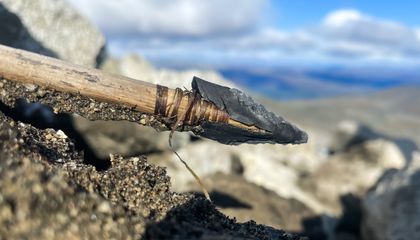
In Norway’s highest mountains, experts are scouring perilous terrain for pieces of the past, long stored in mint condition in ice patches. As temperatures rise across the world, glacial archaeologists must find the emerging artifacts before they degrade forever