AI Insight
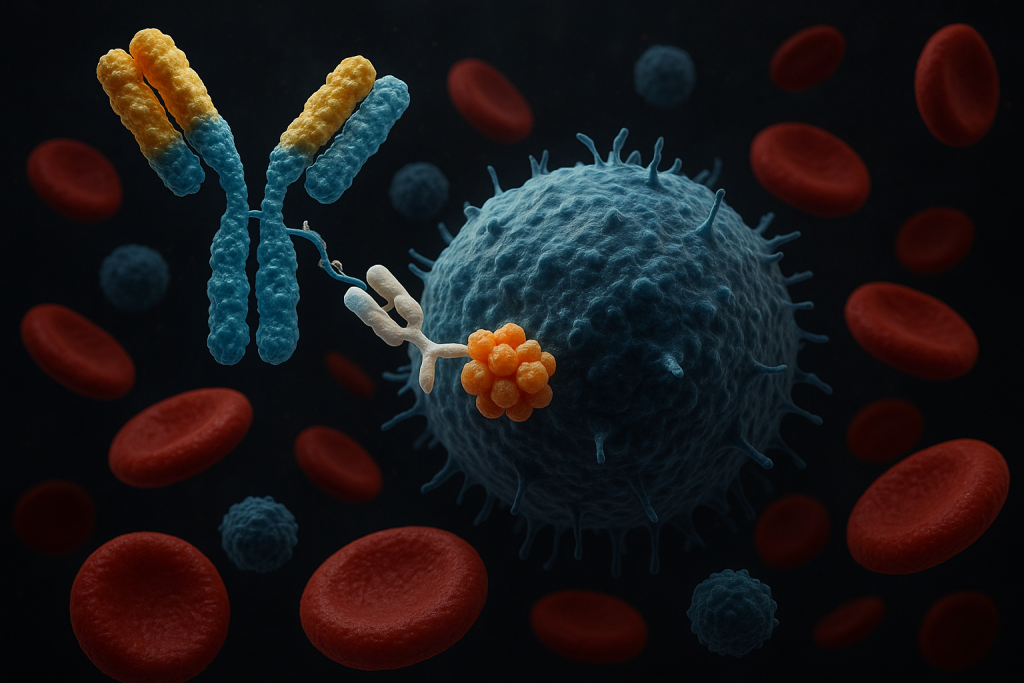
Antibody-drug conjugates (ADCs) represent one of the most rapidly expanding classes of anticancer therapeutics, functioning by linking monoclonal antibodies to cytotoxic payloads to enable targeted delivery directly to tumor cells. This approach has demonstrated improved therapeutic safety profiles compared to conventional chemotherapy across both hematologic malignancies and solid tumors. The review examines the biological mechanisms underlying ADC function and addresses the field's evolving challenges, including patient selection strategies, combination therapy design, and toxicity management as ADCs move into earlier lines of treatment.
Why it matters
ADCs offer a promising avenue for improving cancer treatment outcomes by reducing systemic toxicity relative to traditional chemotherapy, which could meaningfully benefit patient quality of life. As their clinical use expands into earlier disease stages and combination regimens, rigorous frameworks for patient selection and safety monitoring will be essential to maximize therapeutic benefit.
Understand the Science
Antibody-drug conjugates are among the fastest-growing anticancer therapies, delivering potent payloads directly to tumor cells with improved safety across hematologic and solid tumors. This review focuses on their biology and where the field needs to move as they expand into earlier-stage use and combinations that heighten the need for careful patient selection and toxicity management.