AI Insight
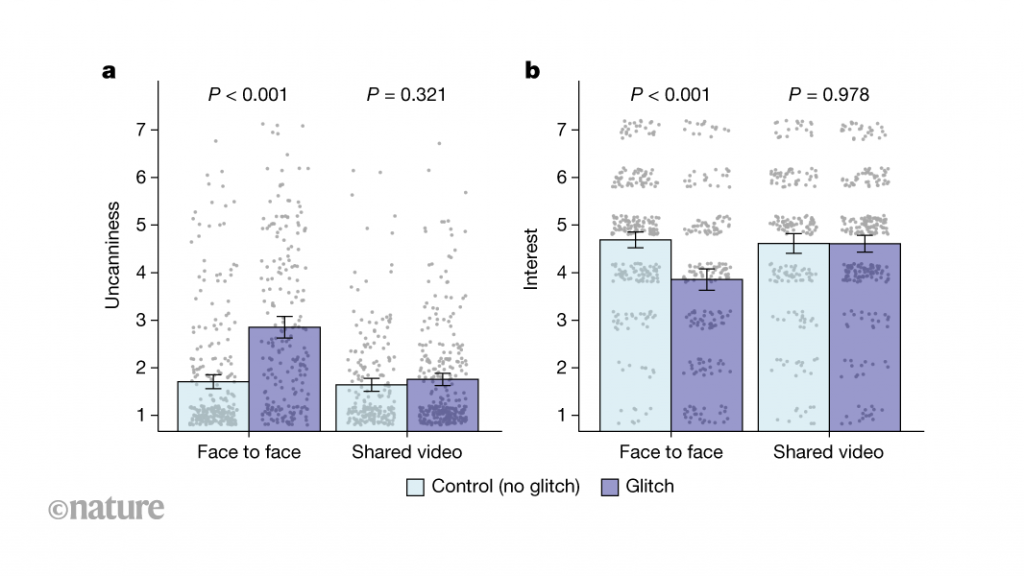
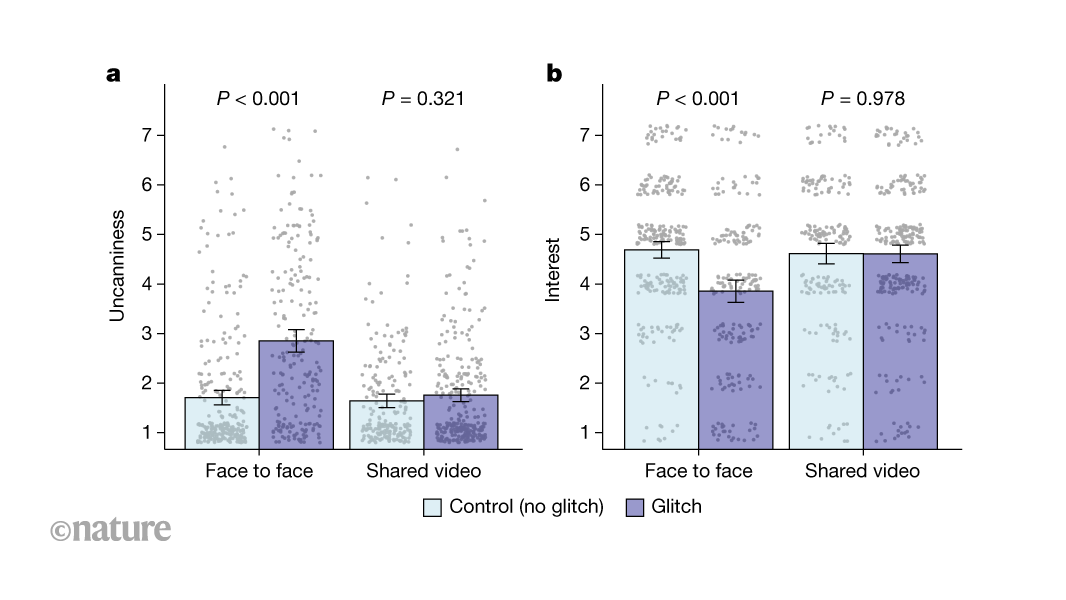
Video call technical disruptions, commonly referred to as glitches, have measurable negative effects on interpersonal evaluations during remote communication. Research indicates that the human brain processes video calls against an expectation of in-person conversational norms, and deviations from this expectation create a sense of unease. This perceptual disruption translates into diminished assessments of a speaker's trustworthiness, likeability, and credibility by the observer.
Why it matters
These findings have significant practical consequences across high-stakes domains including employment interviews, commercial negotiations, and medical consultations, where technical communication quality may inadvertently influence critical decisions. Organizations and individuals relying on remote communication infrastructure should consider the cognitive and evaluative costs of poor connection quality.
Understand the Science
- RESEARCH BRIEFINGS
Video-call glitches might seem harmless, but they can reduce people’s chances of getting hired, closing a business deal or following a doctor’s recommendation. Human brains expect video calls to feel like in-person conversations. When glitches break that illusion, it feels unsettling and strange, harming judgements of trustworthiness, likeability and credibility.