AI Insight
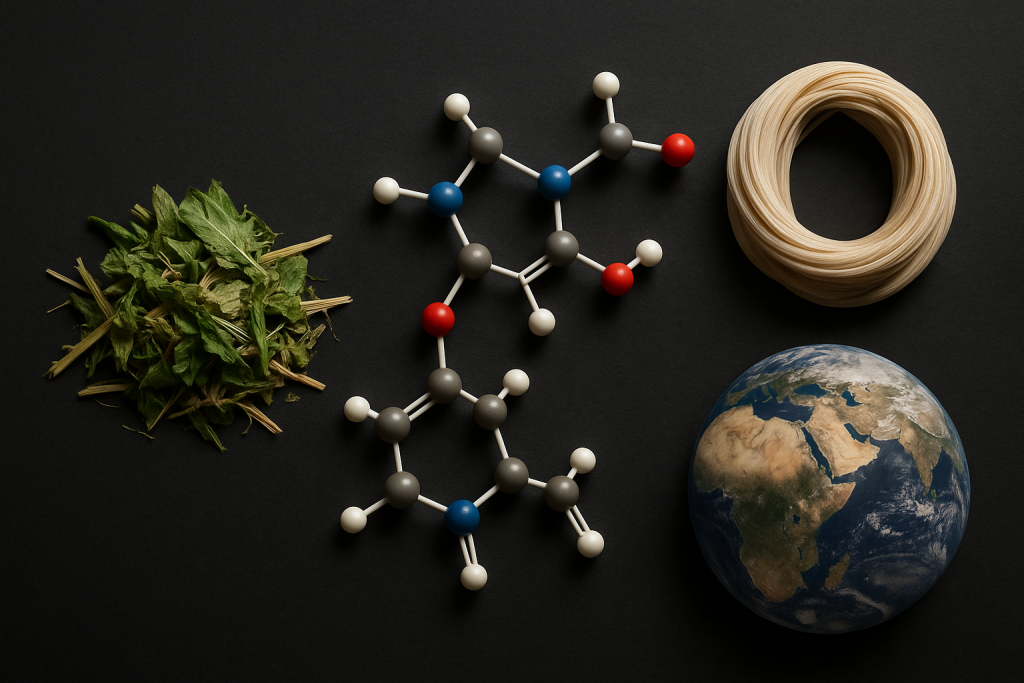
Nylon production currently relies on adipic acid, which is manufactured from petroleum-derived benzene through energy-intensive processes with a high carbon footprint. Researchers are investigating alternative methods to produce adipic acid from plant materials that have historically been burned as agricultural waste. This approach could provide a more sustainable pathway for manufacturing nylon, which is widely used in textiles, automotive parts, wire insulation, and medical supplies.
Why it matters
Converting waste plant materials into nylon building blocks could significantly reduce the environmental impact of nylon production while utilizing biomass that would otherwise be discarded. This development could help decrease dependence on petroleum-based chemicals and lower greenhouse gas emissions associated with manufacturing one of the world's most common synthetic polymers.
Most people have seen nylon listed as a material on their clothing tags, but nylon is used in an array of other products, too, including automotive parts, wire insulation and medical supplies. Unfortunately, one of the building blocks of nylon, adipic acid, is produced from petroleum-derived benzene through energy-intensive processes and has a rather high carbon footprint. However, there may be a better way to produce this ubiquitous polymer.
Source: Burned as waste for years, this overlooked plant material is poised to reshape how nylon gets made