AI Insight
This image captured from the International Space Station on June 26, 2026, shows the Moon in its waxing gibbous phase while the station orbited 264 miles above the Indian Ocean southeast of Madagascar. The waxing gibbous phase occurs in the lunar cycle between the first quarter and full moon, when more than half but not all of the Moon's visible surface is illuminated by the Sun. During this phase, the Moon appears progressively brighter to observers on Earth as it approaches the full moon stage.
Why it matters
Observations from the International Space Station provide unique perspectives of celestial bodies without atmospheric interference, contributing to both scientific documentation and public engagement with space phenomena. Regular imaging of lunar phases from orbit helps maintain photographic records of Earth-Moon spatial relationships and supports astronaut training in astronomical observation.
Understand the Science
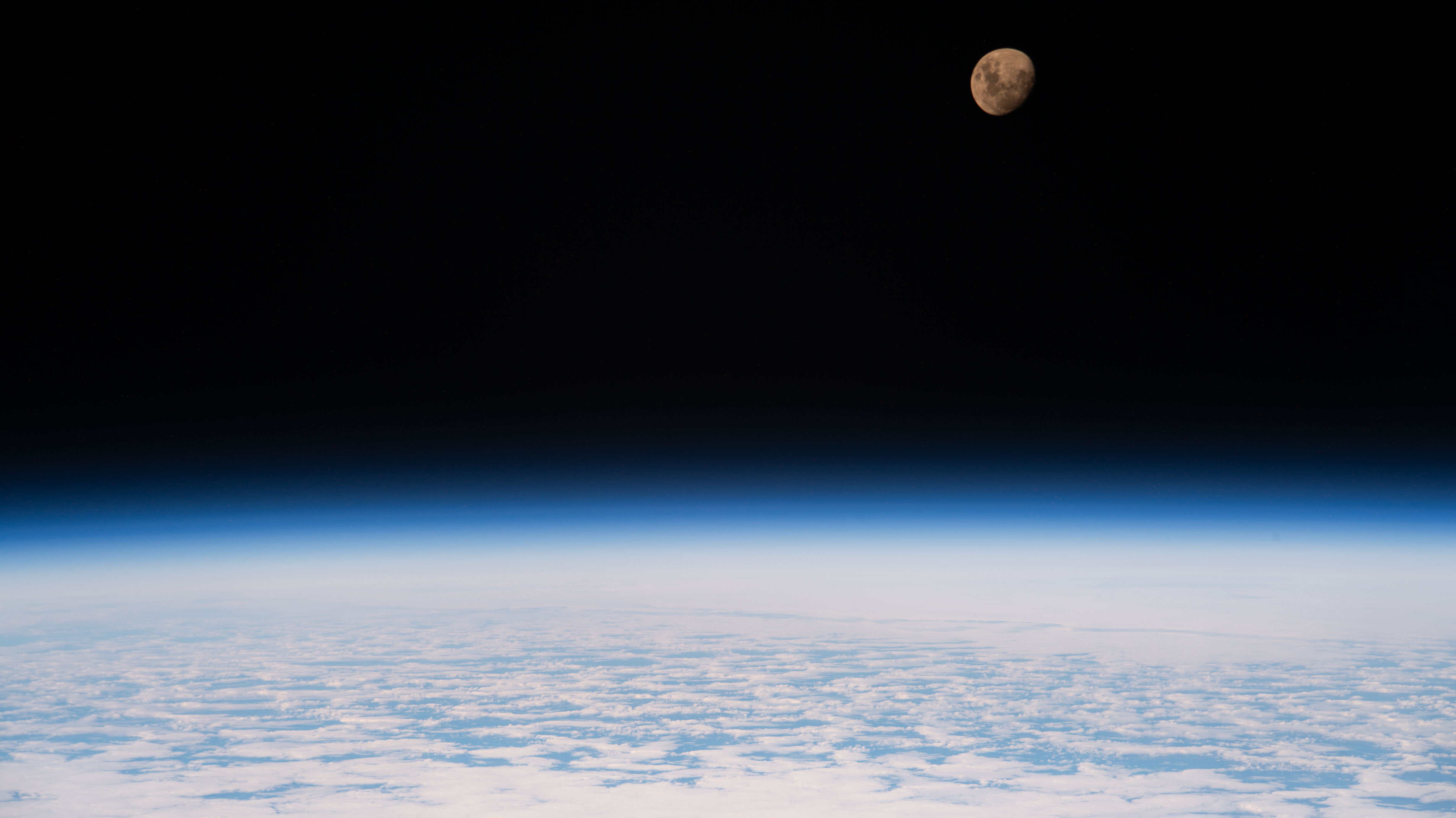
The waxing gibbous moon is nestled in the darkness of space in this June 26, 2026, image from the International Space Station. The space station was 264 miles above the Indian Ocean southeast of Madagascar at the time.
The waxing gibbous phase comes before the full moon phase. During this time, the Moon appears brighter in the night sky to viewers on Earth.
Image credit: NASA
Source: Waxing Gibbous Moon