Hematological, inflammatory, and hypoxia-responsive adaptations to 18-day normobaric live high-train low training in elite rowers

Abstract Introduction: The Live High-Train Low (LH-TL) altitude training method may stimulate erythropoietin (EPO) and vascular endothelial growth factor (VEGF) production, contributing to hematological and physiological adaptations. This study aimed to investigate the effects of an 18-day LH-TL protocol on hematological, inflammatory, and hypoxia-responsive biomarkers in elite rowers. Methods: Thirteen national-level male rowers were assigned … Read more
Cardiopulmonary exercise test results do not change over two sequential days in patients with chronic fatigue syndrome

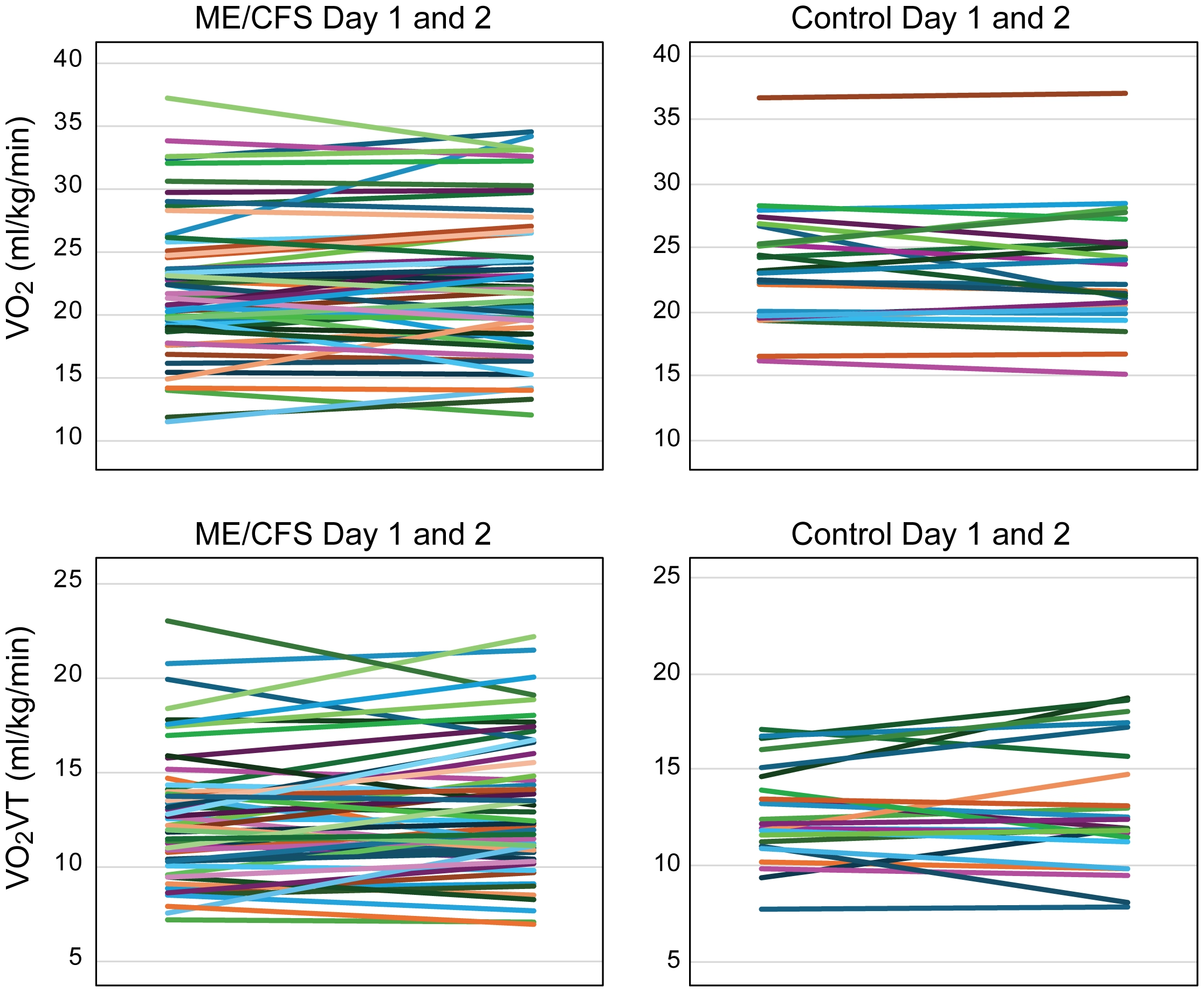
Abstract Background: Two consecutive cardiopulmonary exercise tests (CPETs) performed 24 hours apart are increasingly used to determine post-exertional malaise (PEM) and disability in patients with myalgic encephalomyelitis/chronic fatigue syndrome (ME/CFS). Declines in functional capacity on Day 2 reflect impaired recovery and PEM. However, reports have variably described a reduction in peak oxygen consumption (VO2) and/or … Read more

“Age is associated with Achilles tendon thickness in older adults: an ultrasound case–control study with intra-observer reliability”

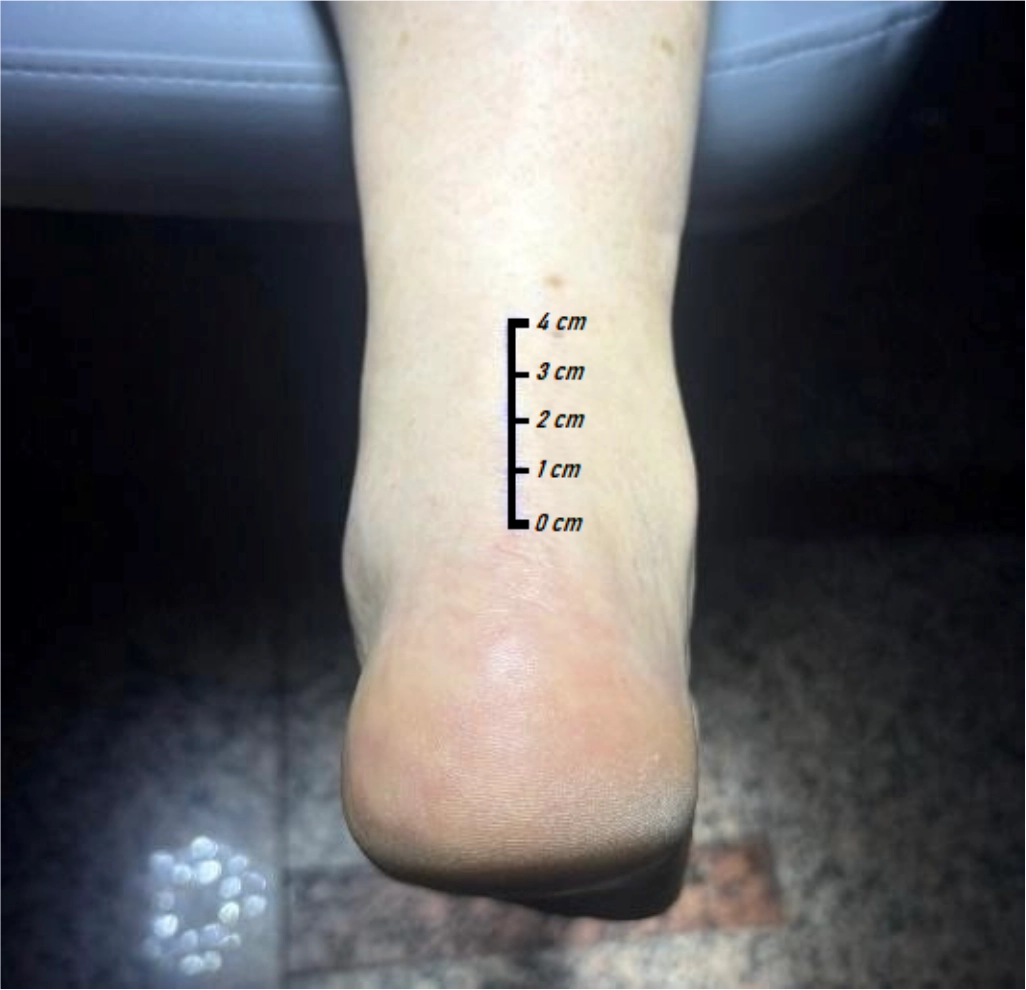
Abstract Introduction: Obesity is associated with metabolic, inflammatory, and mechanical alterations that may affect the structure of the Achilles tendon, especially in older adults, who present increased tendon vulnerability due to age-related degenerative changes. To compare the ultrasound thickness of the Achilles tendon between sedentary older adults with obesity and those with normal weight, and … Read more

Morphological characteristics of lumbar vertebral bodies and regional distribution patterns of bone mineral density: a CT study

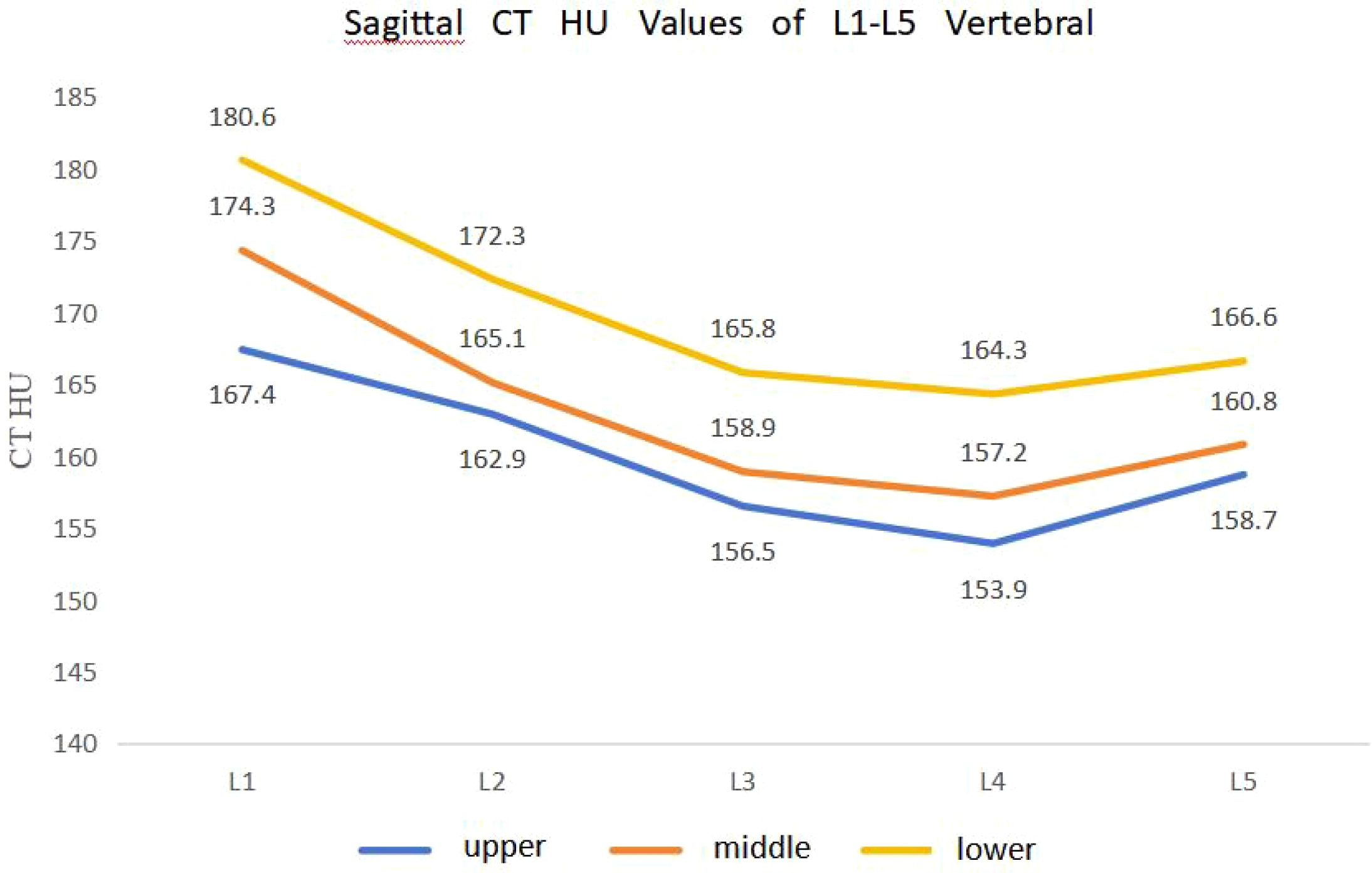
Abstract Objective: To establish a comprehensive database of the macroscopic morphology and spatial distribution of bone mineral density (BMD) in lumbar vertebral bodies, analyze morphological variation patterns of lumbar structures, and provide reference data for spinal biomechanical modeling and clinical surgery. Methods: A total of 100 healthy volunteers (50 males, 50 females; age range, 20–70 … Read more