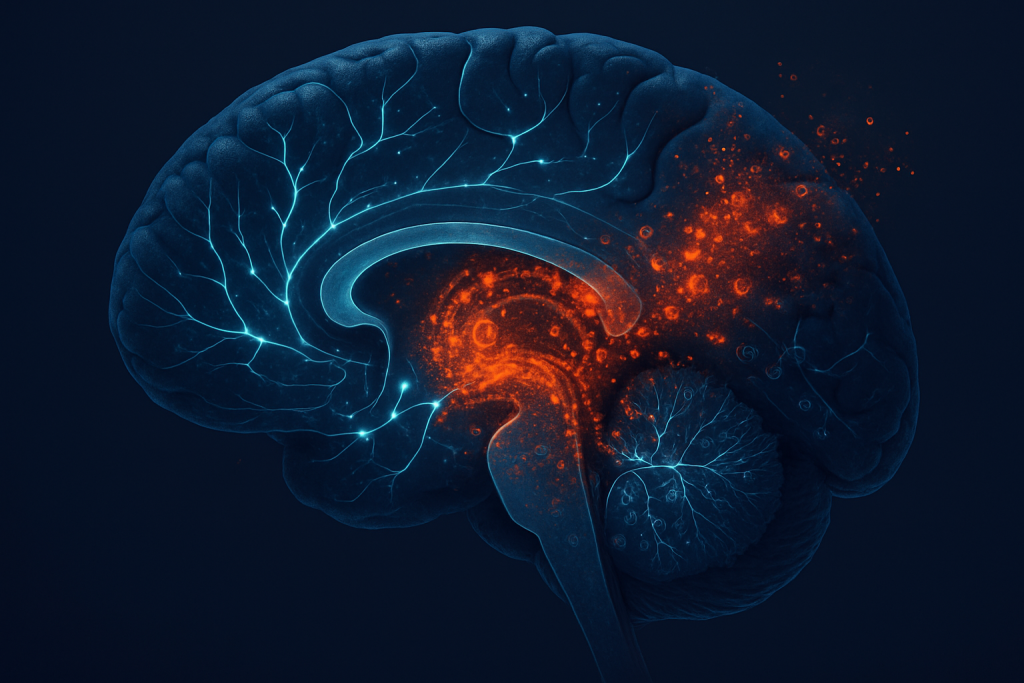
Image generated by AI
AI Insight
Stress triggers the amygdala to flood the brain with cortisol and adrenaline, which suppresses the prefrontal cortex and impairs the hippocampus—the brain regions responsible for complex thinking, attention, and memory formation. Research shows chronic stress can shrink the hippocampus by up to 8 percent, redirecting neural resources from deep learning to reactive, survival-focused processing. Moderate stress can enhance focus, but chronic or overwhelming stress creates a counterproductive cycle that impairs the cognitive functions necessary for effective learning.
Why it matters
Understanding the neuroscience of stress-induced learning impairment can help educators and parents redesign learning environments to reduce counterproductive pressure. Simple interventions like breathing exercises, breaking material into manageable segments, and creating psychologically safe spaces can counteract stress responses and optimize cognitive function for students.
Understand the Science
We’ve all experienced that frustrating moment: sitting down to study for an exam, but anxiety makes it nearly impossible to focus. The stress response that once helped our ancestors survive now sabotages our ability to absorb information. Understanding the neuroscience behind this paradox reveals why high-stakes learning environments often backfire.
What the Science Says
When we experience stress, our amygdala—the brain’s threat-detection center—goes into overdrive, flooding our system with cortisol and adrenaline. This is useful for fighting or fleeing physical danger, but it wreaks havoc on the prefrontal cortex, the region responsible for complex thinking, memory formation, and attention. Neuroscientists have observed that elevated cortisol levels literally reduce the capacity of the hippocampus, our brain’s learning and memory hub. A landmark 2009 study by neuroscientist Sara Jayne Blakeslee found that chronic stress exposure shrinks the hippocampus by up to 8 percent, impairing long-term memory consolidation. Meanwhile, stress redirects neural resources away from deep, reflective learning toward survival-focused, reactive processing—great for dodging a predator, terrible for understanding calculus.
How This Affects Everyday Life
For students, this creates a vicious cycle. The pressure to perform well triggers stress, which impairs the very cognitive functions needed for effective learning. A 2019 study published in *Stress and Health* found that students with higher test anxiety showed reduced activation in areas associated with working memory and attention during exams. This doesn’t mean stress is entirely harmful—moderate stress can enhance focus and motivation, a phenomenon called eustress. However, when stress becomes chronic or overwhelming, it crosses the threshold into impaired performance. Teachers and parents who understand this mechanism can reduce counterproductive pressure, allowing students’ brains to function optimally. Simple interventions like deep breathing exercises, breaking material into manageable chunks, and creating low-pressure study environments activate the parasympathetic nervous system, counteracting the stress response.
Key Takeaways
- Stress activates the amygdala and floods the brain with cortisol, suppressing the prefrontal cortex where learning happens
- Chronic academic stress can physically shrink the hippocampus, reducing long-term memory formation and retention
- Creating psychologically safe learning environments—ones with reduced pressure and increased autonomy—allows brains to function at their peak capacity
Explore TED Talks on Student Well-being and Learning:
TED content is used under CC BY-NC-ND 4.0. © TED Conferences, LLC.
Frequently Asked Questions
How does cortisol impair the hippocampus during stress?
Elevated cortisol levels reduce the hippocampus's capacity for learning and memory formation, and chronic stress exposure can shrink the hippocampus by up to 8 percent according to research by neuroscientist Sara Jayne Blakeslee. This physical reduction directly impairs long-term memory consolidation, making it harder for students to retain information.
Why does the amygdala activation during stress shift focus away from complex learning?
When the amygdala detects threat and triggers the stress response, it redirects neural resources toward reactive, survival-focused processing instead of the deep, reflective thinking required for complex learning. This survival mechanism suppresses activity in the prefrontal cortex, which is responsible for attention, memory formation, and complex cognition needed for studying.
What is the neuroscientific difference between stress responses useful for survival versus learning?
The stress response floods the system with cortisol and adrenaline, which effectively prepare the body to fight or flee physical danger by activating reactive processing. However, this same response weakens prefrontal cortex function and shrinks the hippocampus, directly undermining the cognitive processes—attention, complex thinking, and memory consolidation—essential for academic learning.
Can the brain's stress response mechanism explain why high-stakes learning environments backfire?
Yes; the pressure in high-stakes environments triggers the amygdala and stress hormone release, which paradoxically impairs the prefrontal cortex and hippocampus—the very brain regions needed for effective learning and memory retention. This creates a vicious cycle where performance pressure produces the neurological conditions that prevent successful learning.