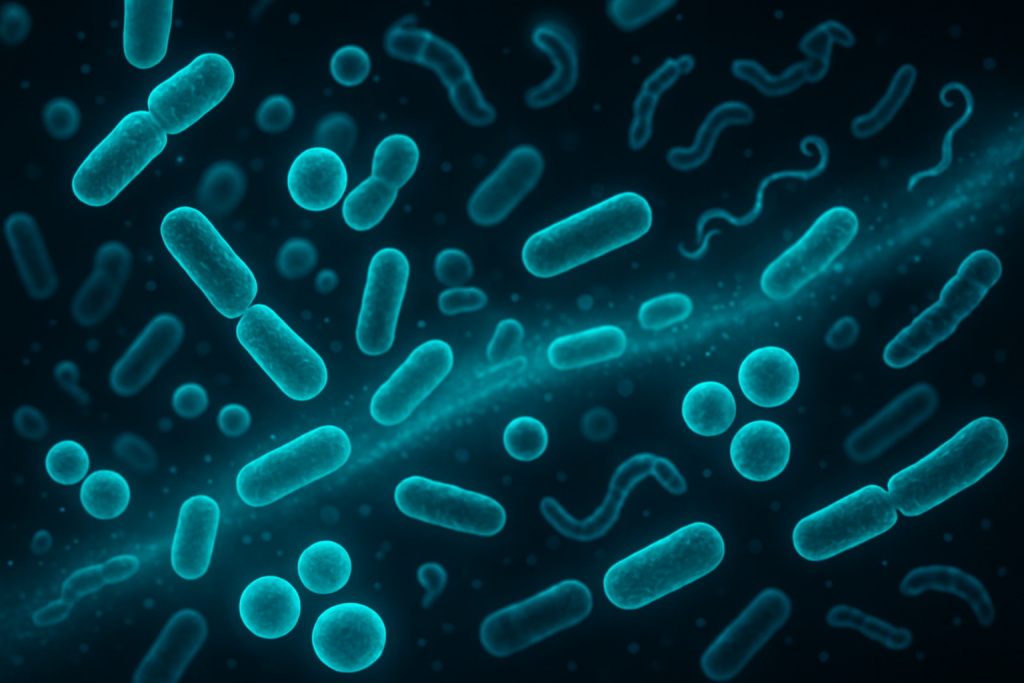
Image generated by AI
In 2019, a 68-year-old woman with a stubborn intestinal infection caused by Clostridioides difficile received an unusual treatment: a carefully prepared solution containing bacteria from a healthy donor’s stool. Within days, her symptoms vanished, and she remained symptom-free for years. This remarkable outcome isn’t an anomaly—it represents one of modern medicine’s most counterintuitive successes, where the answer to disease lies not in destroying microbes, but in restoring them. Fecal microbiota transplantation, or FMT, has become the gold standard for treating recurrent C. difficile infections, boasting cure rates exceeding 90 percent in some studies, far outpacing traditional antibiotics.
Yet FMT’s implications extend far beyond infectious disease. Scientists are increasingly recognizing that the trillions of microorganisms living in our gut—collectively called the microbiome—influence everything from our immune system and brain chemistry to our metabolic health and susceptibility to chronic disease. As researchers have begun to understand the microbiome’s role in conditions ranging from inflammatory bowel disease to obesity and even depression, fecal transplantation therapy has emerged as a powerful tool to investigate and potentially treat these previously intractable problems. Today, clinical trials are exploring FMT’s effectiveness for dozens of conditions, raising fundamental questions about what it means to cure disease through microbial restoration rather than molecular intervention.
What Is Microbiome and Fecal Transplantation Therapy?
The human microbiome refers to the complete collection of microorganisms—bacteria, viruses, fungi, and archaea—that inhabit our bodies, with the vast majority residing in the gastrointestinal tract. These microbial communities exist in a delicate balance, performing essential functions including nutrient metabolism, pathogen defense, immune system development, and production of bioactive compounds like short-chain fatty acids that influence health far beyond the gut. A healthy adult microbiome contains roughly 100 trillion individual microorganisms representing hundreds of distinct species, and this microbial ecosystem is as unique to each person as a fingerprint. When this ecosystem becomes disrupted—a state called dysbiosis—the loss of beneficial bacteria and proliferation of harmful ones can trigger a cascade of health problems.
Fecal microbiota transplantation (FMT), also called fecal transplant or stool transplant, is a medical procedure in which fecal material from a healthy donor is processed and introduced into the gastrointestinal tract of a patient whose microbiome has become dysfunctional. The first recorded use of fecal therapy dates back to fourth-century China, where physicians described treating severe diarrheal illness by administering “yellow soup”—an ancient name for processed fecal material. However, modern FMT as a rigorous medical intervention began in earnest in 2013 when the New England Journal of Medicine published landmark studies demonstrating its extraordinary effectiveness against recurrent C. difficile infection. Since then, FMT has evolved from an experimental curiosity into a regulated medical procedure with defined protocols, donor screening requirements, and growing evidence supporting its use in multiple conditions.
What the Research Shows
The mechanism by which fecal transplantation restores health operates on multiple interconnected levels. When a patient receives FMT, the introduced bacteria establish themselves in the colon, where they compete with pathogenic organisms for nutrients and physical space—a principle known as competitive exclusion. Simultaneously, the transplanted bacteria produce metabolites and signaling molecules that strengthen the intestinal barrier, enhance the production of mucus and antimicrobial peptides, and educate the immune system to distinguish between beneficial and harmful microbes. Additionally, certain transplanted bacteria produce butyrate and other short-chain fatty acids through the fermentation of dietary fiber, which fuel the cells lining the intestine and possess anti-inflammatory properties. This multifaceted restoration process doesn’t simply eliminate disease-causing organisms; it recreates the ecological conditions that allow a healthy microbiome to flourish and exert its protective effects throughout the body.
Consider the problem of C. difficile infection, which illustrates why FMT works so effectively where antibiotics fail. Antibiotics, including even powerful agents like vancomycin, kill C. difficile bacteria but simultaneously decimate the patient’s beneficial microbiota—the very organisms that keep C. difficile suppressed through competition and metabolite production. After antibiotic treatment ends, C. difficile spores remaining in the colon germinate and proliferate unchecked into the emptied ecological niche, causing infection recurrence in 20 to 30 percent of patients. FMT bypasses this problem entirely by rapidly repopulating the gut with hundreds of competing bacterial species that collectively resist C. difficile reestablishment. This ecological logic explains why FMT achieves cure rates near 90 percent compared to antibiotics’ 70 percent success rate on first treatment.
What This Means for Patients and Science
The clinical applications of FMT have expanded substantially beyond C. difficile infection as understanding of microbiome-disease relationships has deepened. Patients with inflammatory bowel disease (IBD), including Crohn’s disease and ulcerative colitis, represent an increasingly important population for FMT investigation, as dysbiosis appears central to IBD pathogenesis. Multiple randomized controlled trials have evaluated FMT’s efficacy in IBD, with mixed but encouraging results—some studies show meaningful improvements in disease activity and inflammation markers, while others demonstrate more modest benefits. Similarly, FMT is under investigation for irritable bowel syndrome, obesity, type 2 diabetes, celiac disease, and even neuropsychiatric conditions like depression and autism spectrum disorder, based on emerging evidence linking microbiome composition to brain function through the gut-brain axis. These applications highlight a fundamental shift in medicine: from viewing the microbiome as merely incidental to understanding it as a therapeutic target comparable in importance to any organ system.
Pharmaceutical companies and biotech firms have recognized FMT’s potential and begun developing microbiota-based medicines (MBMs) and defined bacterial consortia that might offer FMT’s benefits with greater standardization and safety. Companies like Seres Therapeutics, Vedanta Biosciences, and Second Genome are engineering simplified bacterial communities containing 10 to 100 defined bacterial strains rather than the hundreds of species in unprocessed fecal material. Major medical centers including the Mayo Clinic, Massachusetts General Hospital, and the University of Minnesota have established FMT programs with standardized protocols, while the FDA has begun providing guidance on regulatory oversight. Simultaneously, academic researchers are mining microbiome data to identify specific bacterial species or metabolic pathways responsible for disease protection, potentially leading to targeted microbial therapies that work more precisely than whole-ecosystem transplantation.
Recent Breakthroughs in Microbiome and Fecal Transplantation Therapy
In 2023, a pivotal study published in the New England Journal of Medicine demonstrated that FMT reduced recurrent C. difficile infection rates to just 12 percent in a large randomized trial, compared to 39 percent in the antibiotic control group—a magnitude of benefit rarely seen in modern medicine. This study, conducted across multiple sites and involving hundreds of patients, provided the strongest evidence to date supporting FMT as a standard therapy rather than an experimental procedure. Simultaneously, researchers have begun using advanced genomic sequencing to map which specific bacterial species or functional genes predict FMT success or failure, moving the field toward precision medicine approaches. A groundbreaking 2024 study identified that patients whose post-FMT microbiome achieves specific ecological structures characterized by high bacterial diversity and specific protective species experience the best clinical outcomes, suggesting that understanding microbial assembly patterns may improve FMT design and patient selection.
Currently, researchers are investigating several critical open questions that will shape FMT’s future. Can FMT be effective when delivered orally in capsule form rather than through colonoscopy or nasogastric tube, potentially making the procedure less invasive and more accessible? Can engineered bacterial consortia capturing the essential functional properties of healthy microbiota replace whole fecal transplants while reducing safety concerns? How do FMT outcomes in IBD patients differ based on disease endotype or genetic background, and can we identify biomarkers predicting which patients will benefit? These questions, actively being explored in dozens of clinical trials globally, will determine whether FMT remains primarily a treatment for infectious disease or evolves into a broader platform for microbiome-based medicine.
Why Microbiome and Fecal Transplantation Therapy Matters for the Future
Fecal transplantation therapy represents a fundamental reconceptualization of how we approach disease—not as something to be killed or suppressed, but as an imbalance to be corrected through ecological restoration. This paradigm shift has profound implications extending far beyond gastroenterology. If dysbiosis contributes to obesity, metabolic syndrome, and type 2 diabetes as emerging evidence suggests, then FMT and related microbiota therapies could address pandemic-scale health problems affecting billions of people worldwide. Similarly, if the gut-brain axis influences neuropsychiatric disease through microbial metabolite production and immune signaling, then FMT might eventually offer therapeutic options for conditions like depression, anxiety, and autism where conventional treatments are often inadequate. This possibility—that we can therapeutically harness microbial communities as powerfully as we have learned to manipulate genes or molecules—could reshape medicine’s fundamental toolkit.
Yet significant challenges remain before FMT realizes this transformative potential. Safety concerns persist, particularly regarding transmission of unidentified pathogens or oncogenic bacteria in fecal material, despite rigorous donor screening and processing protocols. The procedure’s variability—different fecal sources produce different microbial compositions and clinical outcomes—complicates standardization and regulatory approval for conditions beyond C. difficile infection where benefits have been less dramatic. Additionally, fundamental gaps in our knowledge remain: we still cannot reliably predict which patients will benefit from FMT, we lack complete understanding of which bacterial species or functions are truly essential versus redundant, and we have limited ability to achieve durable engraftment of transplanted bacteria in some patients. Addressing these limitations will require continued investment in microbiome research, clinical trial infrastructure, and regulatory frameworks designed specifically for live microbial therapeutics.
Key Takeaways
- Fecal microbiota transplantation transfers healthy bacterial communities from a donor to a patient, restoring ecological balance in the gut microbiome and enabling the transplanted microbes to suppress pathogens and produce health-promoting metabolites.
- FMT works through multiple mechanisms including competitive exclusion of pathogens, production of protective metabolites like butyrate, strengthening of intestinal barrier function, and immune system education—creating conditions where a healthy microbiome can flourish.
- FMT is FDA-approved and the gold standard treatment for recurrent C. difficile infection, achieving cure rates exceeding 90 percent compared to 70 percent for antibiotic therapy, making it one of modern medicine’s most effective single interventions.
- Current research is expanding FMT investigation into dozens of conditions including inflammatory bowel disease, irritable bowel syndrome, obesity, type 2 diabetes, and neuropsychiatric disorders, while companies are developing defined bacterial consortia to replace whole fecal transplants and achieve greater standardization.
- Fecal transplantation therapy exemplifies a paradigm shift toward treating disease through ecological restoration rather than molecular suppression, potentially revolutionizing how we approach dysbiosis-associated conditions affecting billions of people globally, though significant challenges in safety, standardization, and mechanism understanding remain.
Explore TED Talks on Microbiome and Fecal Transplantation Therapy:
TED content is used under CC BY-NC-ND 4.0. © TED Conferences, LLC.
Frequently Asked Questions
How does fecal microbiota transplantation treat Clostridioides difficile infections when antibiotics fail?
FMT restores a healthy microbial community that outcompetes C. difficile through competitive exclusion and produces metabolic byproducts that inhibit pathogenic growth. This ecological restoration approach achieves cure rates exceeding 90 percent because it addresses the underlying dysbiosis rather than simply killing bacteria.
What specific mechanisms allow the gut microbiome to influence brain chemistry and immune system function?
The gut microbiota produces neurotransmitters and metabolites like short-chain fatty acids that cross the intestinal barrier and directly affect neural signaling and immune cell development. Additionally, microbial antigens interact with gut-associated immune tissues to shape systemic immune responses throughout the body.
Why might FMT be effective for treating inflammatory bowel disease and obesity when these conditions have multiple contributing factors?
Both conditions involve dysbiosis—an imbalanced microbiome composition that reduces beneficial bacteria and increases pro-inflammatory species, which FMT can correct by introducing diverse microbial taxa from healthy donors. Restoring microbial diversity and function can reduce intestinal inflammation and improve metabolic regulation, addressing root causes rather than just symptoms.
Do all healthy donor microbiomes produce equivalent therapeutic outcomes in FMT treatment?
The article suggests FMT involves "carefully prepared solutions," indicating that donor selection and microbiome composition matter for efficacy, though the excerpt does not specify which microbial characteristics determine optimal outcomes. Current research is investigating whether specific bacterial taxa or diversity metrics predict FMT success across different conditions.